Understanding Steel Fabrication
In the realm of industrial manufacturing, steel fabrication plays an essential role. Whether it involves constructing large structures like bridges and skyscrapers or creating intricate parts for machinery, steel fabrication is a foundational process. But what does it mean to be a part of a steel fabrication shop? This article delves into the intricacies of steel fabrication, exploring its core processes, technologies, best practices, future trends, and the challenges faced by those within the industry.
What is a Steel Fabrication Shop?
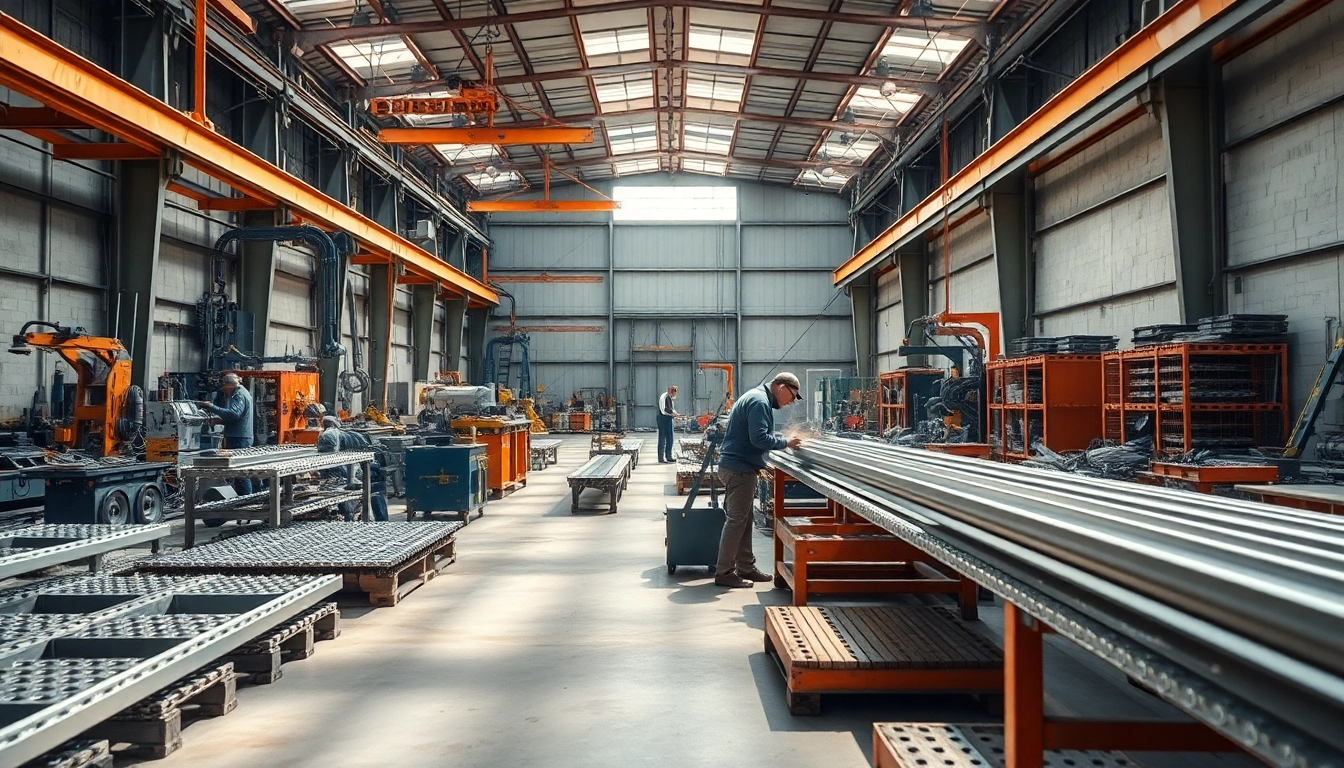
A steel fabrication shop is a facility where raw steel materials are transformed into finished products. This transformation involves numerous processes, including cutting, bending, welding, and assembling steel components. Shops may specialize in specific sectors such as construction, automotive, aerospace, or other manufacturing industries, catering to a wide array of needs. Fabrication shops are equipped with specialized machinery and tools that enable skilled workers to create everything from individual parts to large structural frameworks.
Core Processes in Steel Fabrication
The core processes in a steel fabrication shop can be broken down into several key stages:
- Design and Engineering: Before work begins, detailed designs are crafted, often using CAD (Computer-Aided Design) software. Engineers and designers create blueprints that define dimensions, materials, and fabrication processes.
- Material Selection: The right type of steel is crucial to the success of a project. Factors such as tensile strength, corrosion resistance, and ease of welding are all considered during material selection.
- Cutting and Forming: High-precision tools such as plasma cutters, laser cutters, or shears are utilized to cut the steel to the desired shapes and sizes. After cutting, forming processes like bending or rolling prepare the steel for assembly.
- Welding: This is a critical process where various steel components are joined together. Different welding techniques, such as MIG, TIG, or stick welding, may be employed depending on the complexity of the project and the materials used.
- Finishing: Once fabrication is complete, surfaces may be treated or coated for added durability, aesthetic value, or corrosion resistance. This can include processes like painting, galvanizing, or applying powder coatings.
Importance of Steel Fabrication in Industries
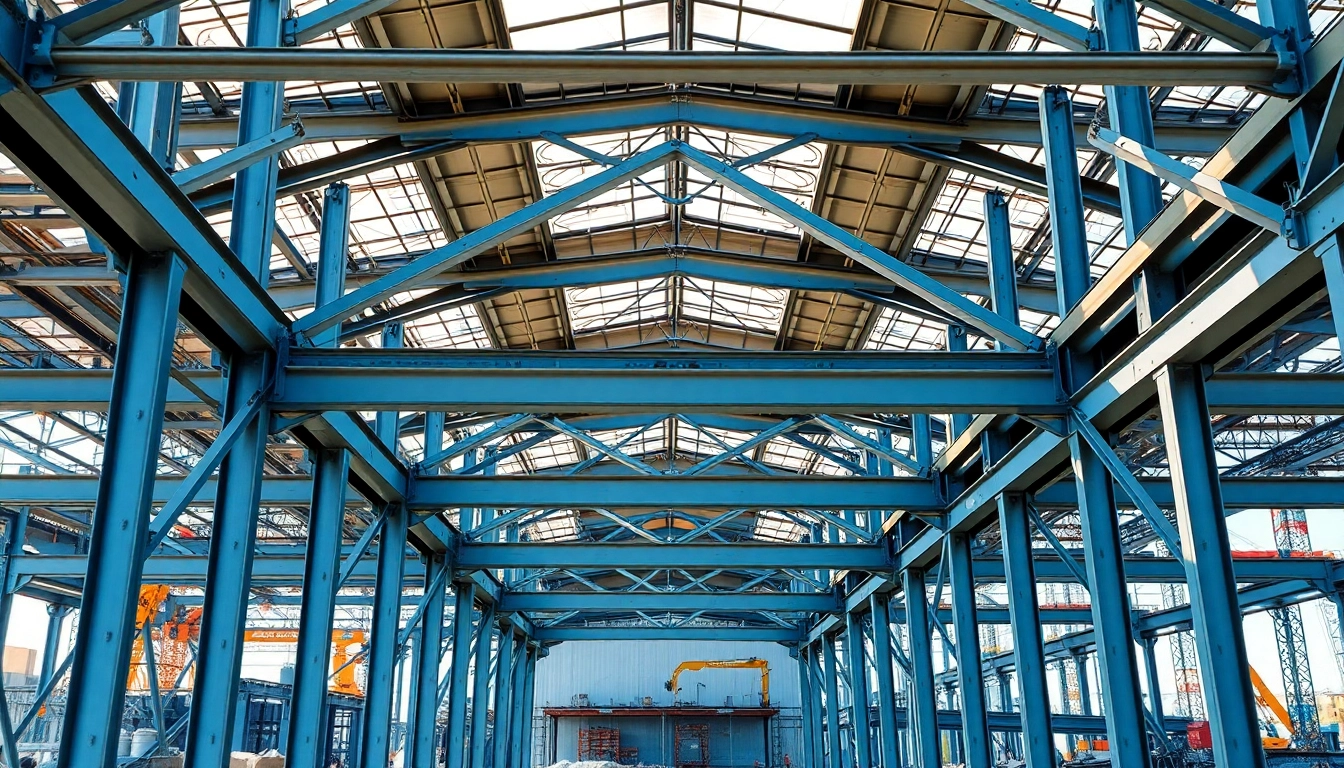
Steel fabrication is vital across numerous industries due to its versatility and durability. In construction, for example, fabricated steel components form the backbone of buildings, bridges, and infrastructure. The automotive industry heavily relies on fabricated parts for vehicle manufacturing, ensuring safety and performance standards are met.
Moreover, in the energy sector, steel fabrication is critical for constructing components such as wind turbine frames and pipelines. With the growing importance of sustainable practices, steel’s recyclability also makes it a favored material choice, further highlighting the relevance of steel fabrication in advancing both technological and environmental progress.
Key Technologies in Steel Fabrication Shops
Advanced Tools and Machinery
A steel fabrication shop is characterized by its advanced tools and machinery, which allow for precise and efficient fabrication. Some of the key technologies include:
- CNC Machines: Computer Numerical Control machines automate the cutting, bending, and machining processes, offering high precision and reduced human error.
- Welding Robots: Automation in welding enhances productivity and enables consistent quality. Robotics can handle tasks that require repetitive actions or pose safety risks to human workers.
- Plasma and Laser Cutters: These cutting technologies provide efficient and accurate fabrication of complex shapes and designs, significantly reducing lead times.
- 3D Printing: Emerging as an innovative technology, metal 3D printing opens new design possibilities and allows for rapid prototyping, reducing material waste.
Role of Automation in Steel Fabrication
Automation plays a transformative role in steel fabrication, enhancing efficiency and precision while reducing labor costs. By integrating automated systems into operational workflows, shops can streamline production processes, resulting in quicker turnaround times. Automation also improves safety by reducing the likelihood of injuries related to manual handling or hazardous tasks.
Furthermore, embracing automation can facilitate the collection of data for better decision-making, enabling shops to analyze production metrics and optimize workflows continuously. Shops that invest in advanced technology often see significant increases in productivity and can meet the demands of large-scale projects more effectively.
Innovations in Fabrication Techniques
As the industry evolves, so do the techniques used in steel fabrication. Innovations such as modular construction and pre-fabricated components are reshaping how projects are approached. These methodologies allow for greater efficiency, as much of the fabrication can occur off-site, reducing construction time and site disruptions.
Moreover, the integration of simulation technology enables fabricators to test and refine designs in a virtual environment before actual production begins. This reduces errors and ensures that the final output meets the specified standards, ultimately enhancing the quality and reliability of the fabricated products.
Best Practices for Operating a Steel Fabrication Shop
Ensuring Safety in Steel Fabrication
Safety is paramount in any steel fabrication shop. Given the heavy machinery and potentially hazardous substances involved, implementing comprehensive safety protocols is essential. These include:
- Regular Training: Workers should receive ongoing training in machinery operation, safety procedures, and emergency response protocols.
- Personal Protective Equipment (PPE): Proper PPE should be provided and mandated, including helmets, gloves, goggles, and steel-toed boots to minimize risks.
- Machine Safety Checks: Regular inspections and maintenance of machinery can prevent accidents caused by equipment malfunctions.
- Clear Signage: Ensure all areas of the shop are clearly marked with safety signs and instructions, reinforcing the importance of adhering to safety measures.
Quality Control Measures
Quality control is vital in ensuring that fabricated products meet industry standards and customer expectations. Implementing robust quality control measures includes:
- Inspection Protocols: Regularly inspect components during various fabrication stages to identify issues early and reduce waste.
- Standards Compliance: Adhere to industry standards such as ISO certifications to reassure clients of quality and reliability.
- Feedback Mechanisms: Establish procedures for collecting feedback from clients and employees to continuously improve fabrication processes.
Implementing Efficient Workflow Systems
Efficiency is critical in a competitive steel fabrication market. By introducing efficient workflow systems, shops can maximize output without compromising quality. Strategies include:
- Lean Manufacturing: Adopt lean principles to eliminate waste and improve efficiency, focusing on value-added activities.
- Project Management Tools: Utilize software solutions that facilitate scheduling, resource allocation, and real-time tracking of production progress.
- Collaboration Platforms: Encourage teamwork among different departments (design, fabrication, and delivery) to enhance communication and streamline project execution.
Challenges Faced by Steel Fabrication Shops
Addressing Material Supply Issues
One primary challenge faced by steel fabrication shops is the fluctuations in material availability and pricing. Global events, tariffs, and supply chain disruptions can significantly impact access to essential materials. To mitigate this, shops should establish strong relationships with multiple suppliers, which can provide alternative materials when shortages occur. Additionally, strategies like bulk purchasing and maintaining adequate inventory can help shield against price volatility.
Navigating Labor Shortages
Finding skilled labor is increasingly challenging in the manufacturing sector. As the industry faces a talent crisis, shops must invest in workforce development through apprenticeships, internships, and training programs. Collaborating with local technical schools and community colleges can create a pipeline of skilled laborers while enhancing the shop’s reputation in the community. Furthermore, providing a positive work environment and competitive compensation can help attract and retain skilled workers.
Managing Cost Overruns
Cost overruns can lead to project delays and reduced profitability. To manage this, shops should employ stringent budgeting and tracking systems. Implementing project management software can provide visibility into expenditures, enabling proactive adjustments to budget and resource allocations. By setting aside contingency funds and closely monitoring project milestones, shops can reduce the risk of significant financial discrepancies.
Future Trends in Steel Fabrication
Sustainable Practices in Metalworking
With increasing focus on sustainability, steel fabrication shops are adopting eco-friendly practices. This includes utilizing recycled materials, minimizing waste through more efficient cutting techniques, and adopting cleaner technologies for processing. Implementing energy-efficient machinery also reduces the carbon footprint of operations. As the demand for sustainable practices grows, many shops are redefining their strategies to align with environmental responsibilities while meeting client expectations.
Digital Transformation in Fabrication
Digital transformation is reshaping the landscape of steel fabrication. From digital twins to integrated supply chain management, the incorporation of technology streamlines operations and improves quality control. Data analytics can help shops optimize their processes, predict maintenance requirements, and enhance decision-making. By embracing digitalization, shops can respond quickly to market demands and maintain competitiveness in a dynamic industry.
The Role of Customization in Steel Production
As clients seek more personalized solutions, customization is becoming key in steel fabrication. Shops are increasingly able to adapt designs to meet specific client needs, whether that means altering dimensions, finishes, or materials. This level of customization is facilitated by advancements in technology, such as CNC machining and modular construction techniques, allowing for enhanced flexibility and responsiveness to client specifications.