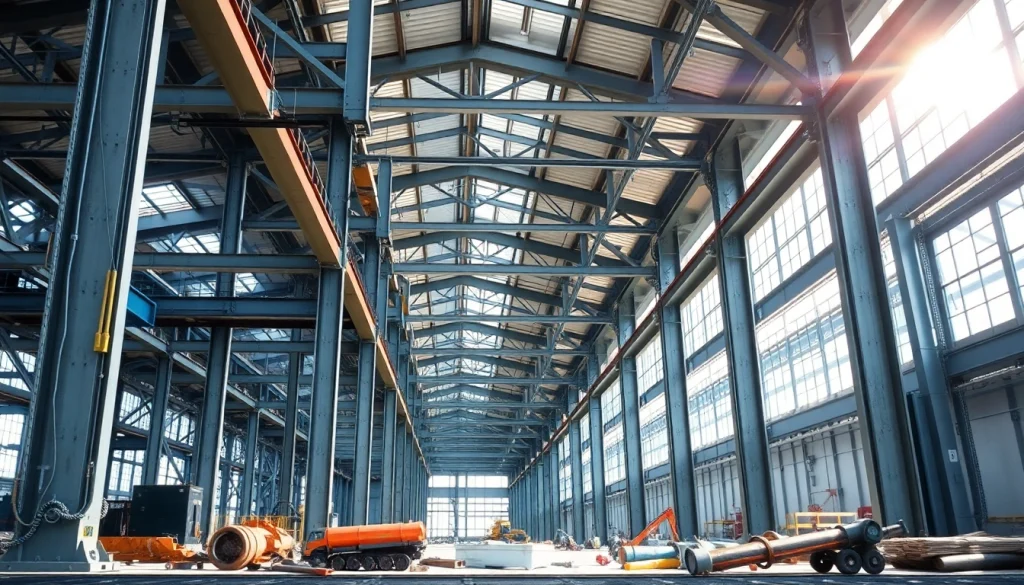
Understanding Steel Structure Design Fundamentals
Steel structure design is a critical area within engineering that focuses on creating structures that are not only functional but also aesthetically pleasing and structurally sound. It embraces the use of steel as a primary material due to its durability, strength, and versatility. Those involved in construction, architecture, and engineering must have a strong grasp of this domain to ensure safety and efficiency in their projects. This article aims to provide an in-depth understanding of steel structure design, including its importance, key components, best practices, challenges, advanced concepts, and real-world applications through case studies.
What is Steel Structure Design?
Steel structure design refers to the methodology and processes involved in the creation, analysis, and representation of buildings and infrastructures made primarily from steel. This form of design leverages the unique qualities of steel, allowing for structures that can bear substantial loads while maintaining a relatively lightweight profile. Steel structures can range from small commercial buildings to large skyscrapers and bridges, showcasing the versatility of the material.
Importance of Steel in Construction
Steel has cemented its place in modern construction due to several key characteristics:
- High Strength-to-Weight Ratio: Steel offers significant strength at a fraction of the weight of alternative materials, which makes it an ideal choice for tall buildings.
- Durability: Steel structures can withstand extreme environmental conditions, making them resistant to weather, pests, and rot.
- Design Flexibility: Steel can be molded into various forms, providing architects with unprecedented freedom in their designs.
- Sustainability: Steel is recyclable, contributing to eco-friendly building practices without compromising structural integrity.
Key Components of Steel Structures
Key components in steel structures include:
- Beams: Horizontal elements that support vertical loads.
- Columns: Vertical elements that transfer loads to the ground.
- Trusses: Frameworks that provide support and shape through triangular units.
- Connections: Joints that hold beams and columns together, ensuring structural integrity.
Designing Steel Structures: Best Practices
Load Calculation and Material Selection
Proper load calculation is essential in steel structure design. Engineers must determine the types of loads that the structure will face, including:
- Dead Loads: The static weight of the structure itself, including materials and permanent fixtures.
- Live Loads: Temporary loads from occupants, furniture, and movable equipment.
- Environmental Loads: Forces resulting from wind, earthquake, or snowmelt.
Once loads are assessed, selecting the appropriate type of steel is important. Different steel grades offer various characteristics, including yield strength, corrosion resistance, and weldability. The most common types include:
- Structural Steel (S235, S275, S355): Widely used for beams, columns, and reinforcements.
- Stainless Steel: Offers excellent resistance to corrosion, ideal for architectural features.
- High-Strength Steel: For use in structures where reduced weight is critical.
Connection Design Techniques
Connections are crucial in maintaining the structural integrity of steel frameworks. Various connection techniques are available, including:
- Welded Connections: Create continuous joints that can handle higher shear forces and provide a seamless appearance.
- Bolted Connections: Allow for easier assembly and disassembly, beneficial in temporary structures.
- Moment Connections: Enable beams and columns to work together, allowing for greater moment resistance.
The choice of connections is influenced by factors such as load requirements, accessibility, and cost, where the aim is always to optimize performance while keeping safety at the forefront.
Aesthetic Considerations in Steel Structures
While functionality is essential, aesthetic considerations equally play a role in steel structure design. Steel allows architects to explore unique forms and finishes, which can enhance the visual appeal of a building significantly. Some techniques include:
- Exposed Steel Frameworks: Showcasing the structural elements can provide an industrial aesthetic while demonstrating the integrity of the design.
- Paint and Coating: Personalizing the appearance of steel with colors and textures that blend with the surrounding environment.
- Integration of Glass: Combining steel with large glass facades for modern looks and natural light.
Common Challenges in Steel Structure Design
Overcoming Structural Limitations
Steel structures face unique challenges, including buckling and deflection. Engineers must employ robust design techniques to counter these limitations. Common approaches include:
- Bracing Systems: Using diagonal braces to create stable triangular frameworks that prevent lateral movement.
- Advanced Analysis Software: Utilizing software tools for simulations that help in anticipating structural behavior under varied loads.
Addressing Environmental Factors
Environmental challenges such as wind, snow loads, and seismic activity require careful consideration. Sufficiently accounting for these factors during the design phase helps prevent structural failures. Strategies include:
- Wind Load Analysis: Evaluating wind pressures and incorporating aerodynamic designs to reduce wind resistance.
- Seismic Design: Implementing flexible designs that can absorb and dissipate seismic energy.
Cost Management in Design Projects
Budget constraints are nearly always present in construction projects. To manage costs effectively while maintaining safety and design integrity, it is prudent to:
- Optimize Material Usage: Conducting precise calculations to minimize waste and excess material purchases.
- Consider Prefabrication: Using off-site fabrication can reduce construction time and labor costs.
- Conduct Tender Analysis: Gathering multiple bids to ensure competitive pricing for materials and labor.
Advanced Concepts in Steel Structure Design
Innovations in Steel Material Technologies
Recent advancements in steel technology have produced high-performance materials that improve the properties of steel structures. Innovations include:
- High-Performance Steel: Designed to handle extreme conditions while reducing weight.
- Smart Materials: Incorporating sensors within the steel that monitor structural health and alert for maintenance needs.
Integration of Sustainability in Design
Sustainability practices are gaining significant traction in steel structure design, focusing on reducing environmental footprints. This can be achieved through:
- Use of Recycled Materials: Utilizing recycled steel in construction minimizes waste and lowers production impacts.
- Energy Efficiency: Implementing green building practices that adhere to energy efficiency standards.
Future Trends in Steel Structure Design
The future of steel structure design is poised for exciting developments, influenced by technology and societal needs. Key trends to watch include:
- Modular Construction: Off-site construction methods that allow quick assembly on site, improving timelines and reducing costs.
- Digital Twin Technology: Creating virtual models of physical structures for real-time monitoring and predictive analysis.
- 3D Printing: The potential to fabricate steel structures with reduced labor hours and material waste.
Case Studies: Successful Steel Structure Design Projects
Analysis of Iconic Steel Structures
Several iconic structures exemplify the power of steel in achieving remarkable architectural feats. Combinations of design, engineering, and innovation highlight the versatility of steel structures. Examples include:
- The Eiffel Tower: An example of how steel can achieve elegant and functional design.
- The Burj Khalifa: Employs advanced steel construction techniques to soar to record heights while maintaining stability.
- The Sydney Harbour Bridge: A testament to the durability and scalability of steel constructions over time.
Lessons Learned from Recent Projects
Recent developments in steel structures have taught valuable lessons aimed at improving future designs. Projects that faced significant challenges foster innovation, while successes often hinge on learning from past experiences. Key takeaways include:
- Emphasis on Safety: Prioritizing safety from the outset leads to fewer accidents and issues during construction.
- Use of Modern Technology: Implementing BIM (Building Information Modeling) has revolutionized planning and collaboration.
Impact of Design Choices on Structural Integrity
Design choices significantly influence the performance and longevity of steel structures. Critical factors include:
- Material Selection: The right steel grade can enhance performance under specific load conditions.
- Design Philosophy: Opting for redundancy in design helps to ensure that structures remain sound under unexpected load conditions.
In summary, steel structure design is a multifaceted field that combines technical expertise and creative vision. By understanding foundational principles, employing best practices, addressing challenges, leveraging innovations, and studying successful projects, professionals can significantly enhance their contributions to the engineering and construction industries.