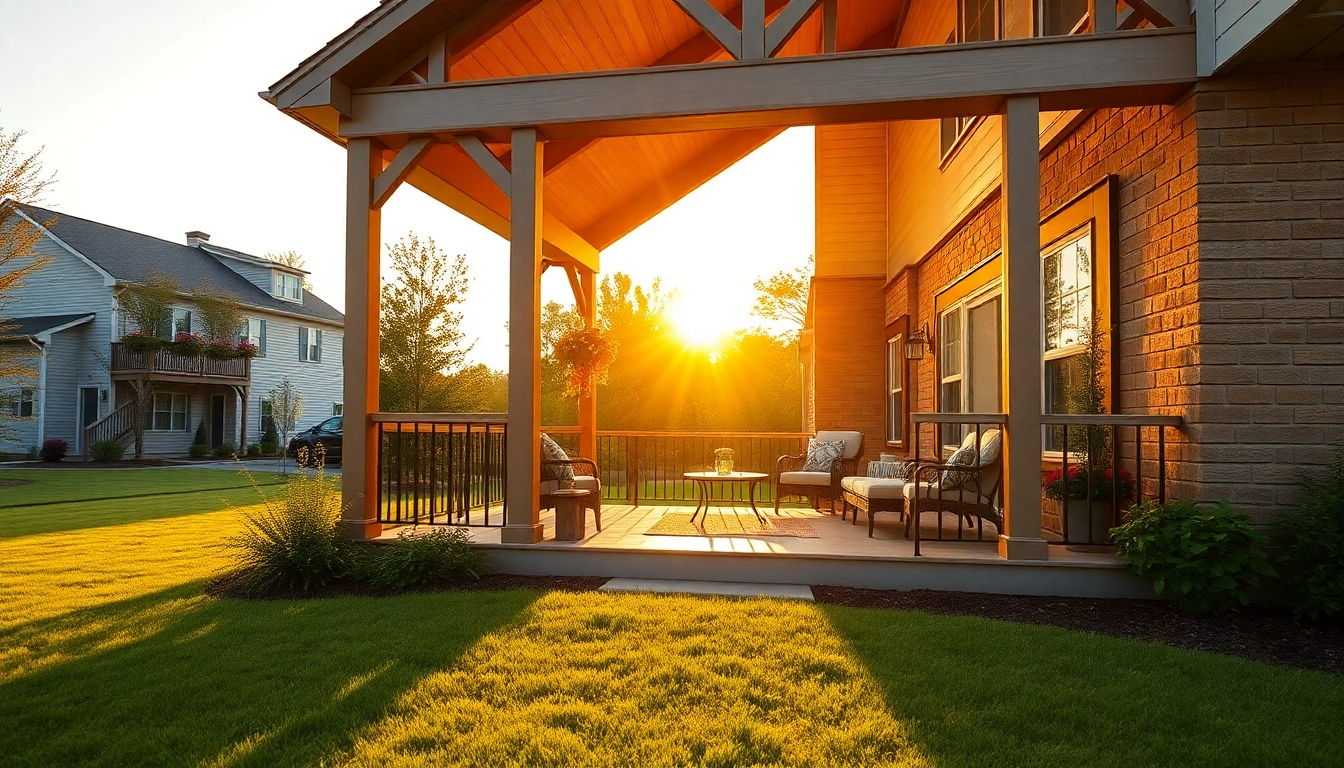

Understanding Lighting automation Concepts
Defining Lighting automation
Lighting automation refers to the technology used to control lighting systems in residential and commercial spaces automatically. This innovative approach allows users to manage their lighting through centralized control, timers, motion sensors, and smart devices. By employing Lighting automation, spaces can become more energy-efficient, secure, and convenient.
Benefits of Lighting automation
The advantages of lighting automation are extensive, with benefits ranging from energy conservation to improved ambiance. By automating lighting, users can:
- Enhance Energy Efficiency: Automated systems can minimize energy consumption, turning lights off when no one is around or adjusting based on natural light levels.
- Increase Convenience: Control lighting remotely or through voice commands, eliminating the need to manually switch lights on and off.
- Improve Security: Automated lighting can simulate occupancy, deterring potential intruders by scheduling lights at specific times.
- Create Personalized Environments: Adjust brightness, color, and scenes to reflect moods or special occasions.
Components of a Lighting automation System
A comprehensive lighting automation system comprises various components designed to work synergistically. Key elements include:
- Smart Bulbs: These bulbs can be controlled via apps and often support features like dimming and color changing.
- Control Panels: Centralized units that allow for easy management of multiple lighting zones from one interface.
- Sensors: Motion and ambient light sensors triggering lighting adjustments based on activity or light availability.
- Smart Hubs: Integrate various devices and allow them to communicate, such as connecting lights to security systems.
How to Implement Lighting automation at Home
Choosing the Right Lighting Products
When implementing lighting automation, selecting compatible products is crucial. Consider fluorescent, incandescent, or LED lighting based on your needs. Evaluate:
- Energy Efficiency: Choose LED lighting for long-term energy saving.
- Compatibility: Ensure products work seamlessly with your existing smart home ecosystem.
- Functional Features: Look for smart bulbs that offer dimming, color adjustments, and timers.
Installation Tips for Lighting automation
Installing a lighting automation system may seem complex, but with proper steps, it can be straightforward. Follow these tips:
- Assess Your Space: Plan where to place lighting fixtures and sensors for maximum coverage.
- Follow Manufacturer Guidelines: Each product comes with specific installation instructions; adhere closely to ensure functionality.
- Test Before Finalizing Installation: Ensure all components connect properly and function as intended before securing fixtures permanently.
Integrating with Smart Home Devices
To enhance the efficacy of lighting automation, integrate it with other smart home devices. This includes thermostats, security cameras, and voice assistants. Benefits of integration include:
- Streamlined Control: Use a single app or voice command for multiple device types, enhancing user experience.
- Enhanced Functionality: Collaborate with devices to create smart routines, such as lights turning on when security cameras detect movement.
Designing Customized Lighting automation Scenarios
Creating Mood Lighting for Different Occasions
Customized lighting can significantly influence the ambiance of any space. Consider these mood-enhancing scenarios:
- Relaxation: Dim lights with a warm hue for a calming environment.
- Entertainment: Bright, colorful lights for movie nights or parties.
- Task Lighting: Bright lighting for working areas, ensuring clear visibility.
Using Timers and Sensors Effectively
Timers and sensors are fundamental to a well-rounded lighting automation system. Utilize them as follows:
- Timers: Schedule lights to turn on/off according to your routine, ensuring lights are off when not needed.
- Motion Sensors: Automate lights to switch on as someone enters a room, providing convenience and energy savings.
Programming Automated Routines
Programming lighting routines can optimize your home’s functionality. Create scenarios like:
- Morning Wake-Up: Gradually brighten lights to simulate sunrise, waking you gently.
- Evening Wind-Down: Set lights to dim as bedtime approaches, promoting relaxation.
Maintaining your Lighting automation System
Regular Upgrades and Updates
To ensure your lighting automation system remains effective, regular updates are essential. This includes:
- Firmware Updates: Regularly check for updates from manufacturers to benefit from improved features and security.
- Hardware Replacements: Replace aging components to maintain peak performance.
Troubleshooting Common Issues
As with any technology, lighting automation may encounter issues. Common problems and their solutions include:
- Connectivity Issues: Reset the hub or device if you experience disruptions in service.
- Inconsistent Lighting: Check the bulbs and wiring connections if lights flicker or do not respond.
Enhancing Energy Efficiency with Lighting automation
Optimize the energy efficiency of your lighting system through:
- Scheduled Off Times: Set lighting to turn off automatically during peak usage hours.
- Utilizing Daylight: Adjust indoor lighting based on natural light accessibility, reducing reliance on artificial lighting.
Evaluating Performance and Metrics
Measuring Impact on Home Life
To assess how lighting automation has transformed your home life, consider metrics like:
- Energy Consumption: Track energy bills to quantify savings.
- User Satisfaction: Gather feedback on convenience and functionality from family members.
Cost-Benefit Analysis of Lighting automation
Perform a cost-benefit analysis by weighing upfront installation expenses against long-term savings and added value. Factors to consider include:
- Initial Costs: Consider expenses related to equipment and installation.
- Long-Term Savings: Factor in energy savings and potential increases in home value.
Future Trends in Lighting automation
As technology advances, future trends in lighting automation may include:
- Increased Integration: More seamless connections between lighting and other smart home devices.
- Sustainability Focus: Technologies promoting energy efficiency and environmentally friendly materials becoming more common.
Frequently Asked Questions
1. What is lighting automation?
Lighting automation refers to controlling lighting systems automatically via smart technology, improving energy efficiency and convenience.
2. How can I start with lighting automation?
Begin by evaluating your current lighting setup, selecting appropriate smart products, and planning their installation for optimal performance.
3. Do I need special bulbs for lighting automation?
Yes, smart bulbs compatible with lighting automation systems allow you to control them remotely and program various scenarios.
4. Can lighting automation improve home security?
Absolutely! Automated lighting can simulate occupancy and deter intruders, enhancing overall home security.
5. Are there any maintenance requirements for these systems?
Regular updates and checks on device connectivity and performance ensure the system functions efficiently, adapting to your evolving needs.