Introduction to Outdoor Sunroom
Outdoor sunrooms have emerged as a popular addition to homes, offering a unique blend of indoor comfort and outdoor beauty. Also known as glass rooms or sun porches, these spaces create a seamless connection between the interior of your home and the natural world outside. Whether you envision a tranquil retreat filled with lush greenery or a vibrant area for family gatherings, an outdoor sunroom can perfectly cater to your needs. This article delves into the definition, history, advantages, design ideas, and more, to help you create a sunroom that reflects your style and enhances your living experience.
Definition and Concept
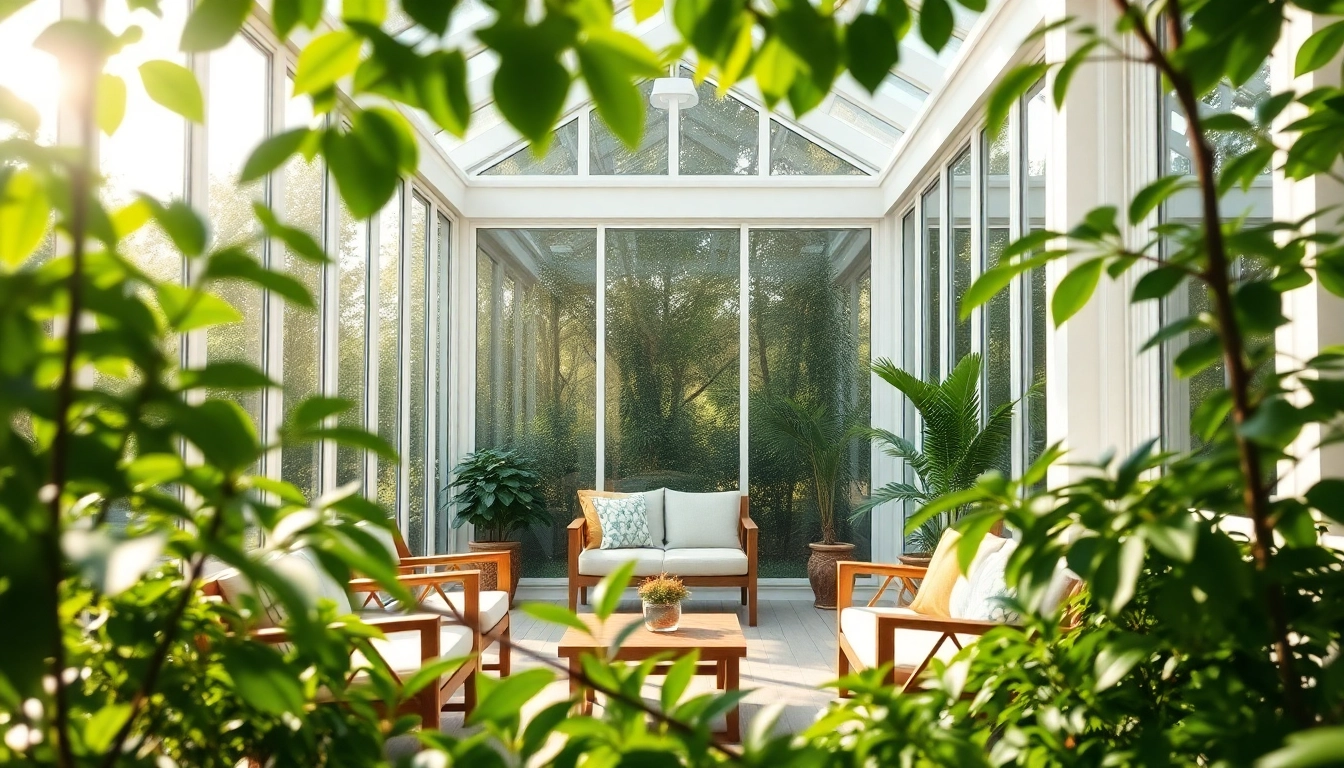
An outdoor sunroom is an enclosed space that allows for ample natural light while providing protection from the elements. This room typically features large windows or glass walls that invite natural light and offer unobstructed views of the environment. The concept behind outdoor sunrooms revolves around enhancing indoor-outdoor living. Their design enables homeowners to enjoy the beauty of their landscape, be it a garden, forest, or urban view, from the comfort of their home.
History of Sunrooms
The concept of sunrooms dates back to ancient civilizations, where structures made of glass or clear materials were used to capture sunlight for warmth and light. Over the years, sunrooms have evolved, with their designs influenced by various architectural styles. In the modern era, the popularity of sunrooms surged during the 20th century when advances in glass technology made it easier to create larger, more efficient glass structures. Today, outdoor sunrooms are recognized for their versatility and aesthetic appeal, contributing significantly to contemporary architecture.
Benefits of Adding an Outdoor Sunroom
- Natural Light: The primary advantage of an outdoor sunroom is the influx of natural light, which not only brightens your home but can also improve your mood and well-being.
- Increased Space: Sunrooms provide additional living space, perfect for relaxation, entertaining, or as a play area for children.
- Connection to Nature: These rooms create a desirable connection to the outdoors, allowing you to experience nature without facing the elements.
- Energy Efficiency: Modern sunrooms can be designed to be energy efficient, using insulated glass and proper ventilation to maintain comfortable temperatures.
- Increased Home Value: Investing in an outdoor sunroom can enhance the overall value of your property, making it a worthwhile investment.
Design Ideas for Outdoor Sunroom
Choosing the Right Location
Where you place your outdoor sunroom significantly affects its functionality and enjoyment. Consider the orientation of your home, the path of the sun, and your existing landscaping. A sunroom that faces south or west can harness the most sunlight, creating a warm, inviting atmosphere. Also, factor in your view; positioning the sunroom to overlook a garden or patio can enhance your connection to nature.
Materials for Construction
The materials you choose for your outdoor sunroom not only affect its aesthetics but also its durability and maintenance. Common materials include:
- Wood: Provides a classic look but requires regular maintenance to prevent weathering.
- Aluminum: Lightweight and resistant to corrosion, making it a practical choice.
- Vinyl: Offers durability and low maintenance, with many color options available.
- Glass: The primary feature; choose double or triple-pane insulated glass for energy efficiency.
Incorporating Plants and Décor
Plants bring life to your outdoor sunroom and improve air quality. Consider low-light varieties that thrive in sunlit areas, such as pothos, peace lilies, or succulents. In addition, your décor should reflect your style while complementing the natural elements. Use comfortable furniture, vibrant textiles, and decorative accents that resonate with your taste to create an inviting ambiance.
Building Your Outdoor Sunroom
Planning and Budgeting
Before embarking on your outdoor sunroom project, it’s crucial to have a clear plan and budget. Identify your purpose for the sunroom—be it a reading nook, entertainment area, or greenhouse—and determine the features you wish to include. Create a detailed budget that accounts for materials, labor, furniture, and potential landscape alterations. A well-thought-out plan can prevent overspending and ensure your vision becomes a reality.
Permits and Regulations
Most areas require permits for building structures on your property, including outdoor sunrooms. It’s essential to check with your local municipality to understand zoning regulations, building codes, and any necessary inspections. Compliance with these regulations not only avoids legal issues but also ensures the safety and quality of your sunroom.
Hiring Professionals vs. DIY
Deciding whether to hire professionals or undertake a DIY approach depends on your skills, experience, and budget. Hiring experienced contractors guarantees the project adheres to regulations and is constructed correctly. However, if you are handy and willing to learn, a DIY project can save costs and provide a sense of accomplishment. Weigh the pros and cons carefully to choose the best route for your outdoor sunroom.
Optimizing Outdoor Sunroom Space
Furniture Arrangement Tips
Effective furniture arrangement maximizes your outdoor sunroom’s functionality. Consider creating distinct areas for relaxation, dining, and gardening. Use furniture that adapts to the space, such as multi-functional tables or modular seating. Arrange pieces to encourage conversation, ensure traffic flow, and take advantage of views, allowing the beauty outside to be part of your indoor experience.
Lighting Solutions
Natural light is abundant in an outdoor sunroom, but supplementing it with artificial lighting is important for evening use. Options like adjustable recessed lights, floor lamps, and pendant fixtures add versatility. Incorporate dimmable lighting to create ambiance, and use strategic placements to highlight plants or architectural features.
Seasonal Decor Ideas
Keep your outdoor sunroom feeling fresh by updating seasonal décor. In the spring and summer, embrace floral patterns and vibrant colors, using cushions, throws, and wall décor that reflect the season. For fall, consider warm tones and cozy fabrics, while winter can be transformed with classic holiday decorations. Rotate these elements to maintain an inviting space throughout the year.
FAQs About Outdoor Sunroom
What is the average cost of an outdoor sunroom?
The cost varies widely based on size, materials, and labor, typically ranging from $15,000 to $70,000. Additional features can increase the price.
How can I maintain my outdoor sunroom?
Regular cleaning of glass surfaces and periodic checks of seals and insulation are essential. Keep furniture clean and inspect for wear and tear, addressing issues promptly.
What are the best plants for an outdoor sunroom?
Choose plants that thrive in bright light but can also tolerate indirect sunlight. Options include ferns, succulents, and tropical plants like hibiscus.
How much sunlight does an outdoor sunroom need?
Most plants thrive with around 6 hours of sunlight daily. Positioning the sunroom appropriately will ensure an optimal amount of light.
Can I use my outdoor sunroom year-round?
With proper insulation and heating or cooling systems, an outdoor sunroom can be used throughout the year. Seasonal adjustments for décor and temperature management can enhance comfort.