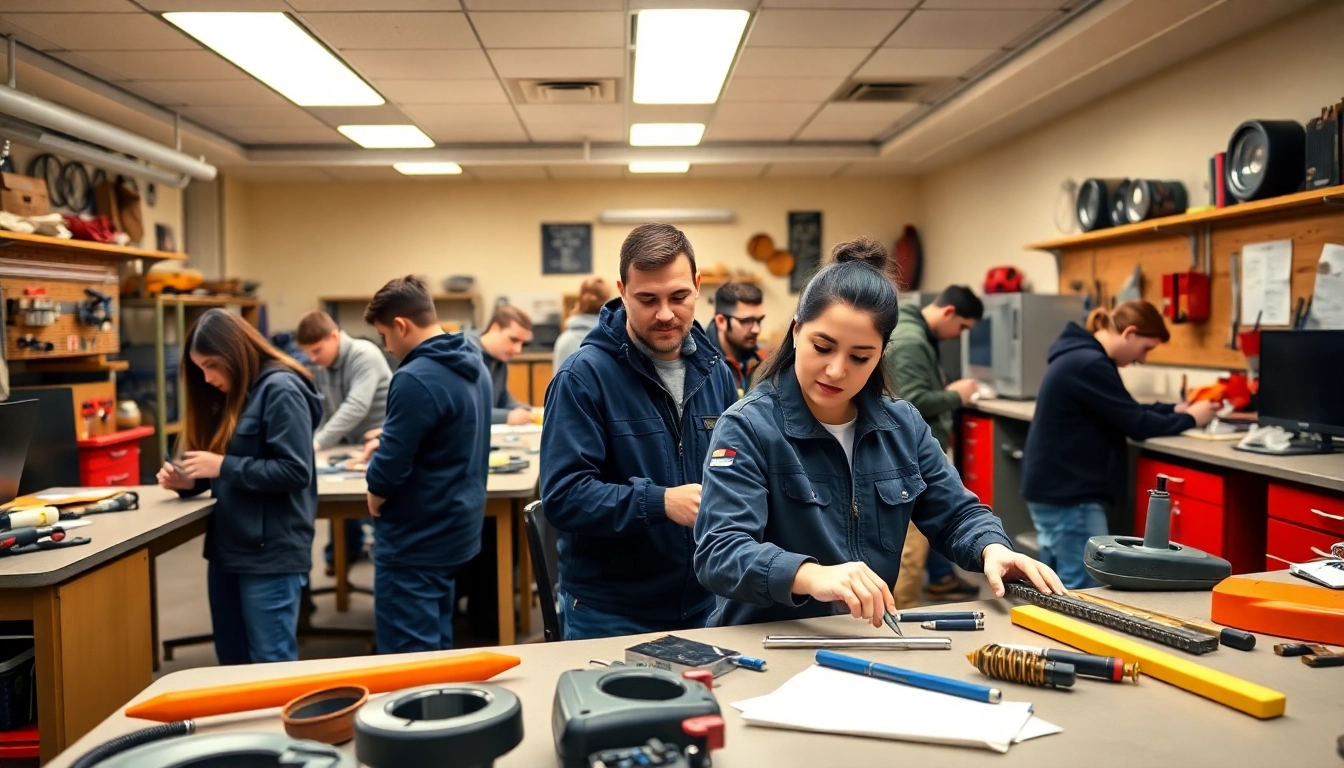

Understanding the Landscape of Construction Career
The construction industry plays a crucial role in shaping our built environment, providing both infrastructure and housing that are essential to our daily lives. Those considering a construction career will find a wealth of opportunities across a spectrum of fields. This article delves into the various facets of a construction career, from understanding its significance to navigating the challenges ahead.
The Importance of the Construction Industry
The construction industry serves as a cornerstone of the economy, contributing to job creation and the development of communities. It includes a vast array of activities, from commercial buildings and infrastructure projects to residential homes and public works. In addition to stimulating economic growth through job creation, construction enhances quality of life by providing essential facilities like schools, hospitals, and transportation systems. Furthermore, a thriving construction sector fosters innovation and sustainability, adapting to new building materials and environmentally-friendly practices.
Career Options in Construction
The diversity within the construction industry opens multiple pathways for career development. Potential roles include:
- Project Manager: Oversee construction projects from inception to completion.
- Construction Engineer: Plan, design, and manage construction processes.
- Skilled Tradespeople: Carpenters, electricians, plumbers, and masons who perform specialized work.
- Site Supervisor: Monitor daily operations and ensure safety compliance on site.
- Architects: Focus on the design aspects and aesthetics of construction projects.
- Surveyors: Assess land and property to provide accurate measurements for construction purposes.
Each of these roles requires specific skills and qualifications, giving professionals various options for advancing their careers based on their interests and expertise.
Key Skills for Success in Your Construction Career
Success in the construction industry hinges on a unique blend of technical and soft skills. Essential skills include:
- Technical Knowledge: Understanding building codes, safety standards, and construction methodologies.
- Project Management: Planning, executing, and closing projects efficiently.
- Communication: Clear interaction with team members, stakeholders, and clients.
- Problem-Solving: Rapidly addressing and resolving issues that arise on-site.
- Teamwork: Collaborating effectively with diverse teams to achieve project objectives.
Professionals who cultivate these skills will find themselves better equipped to navigate the complexities of a construction career and bolster their potential for growth.
Education and Training for a Construction Career
Formal Education Requirements
Entering a construction career typically starts with a solid educational foundation. While some positions might not demand a college degree, many roles require formal education in fields such as Construction Management, Civil Engineering, or Architecture. Bachelor’s degrees are common for project managers and engineers, whereas technical schools and community colleges offer valuable training for tradespeople. Specialization through relevant courses can greatly benefit aspirants seeking advanced roles in the industry.
Certification and Skill Development
Certification can enhance a construction professional’s credentials. Relevant certifications include:
- Project Management Professional (PMP): Validates leadership and management skills in construction projects.
- Certified Construction Manager (CCM): Acknowledges proficiency in managing construction processes.
- LEED Accreditation: Demonstrates knowledge of sustainable building practices and principles.
These certifications not only improve marketability but also ensure a level of expertise sought by employers.
On-the-Job Training Opportunities
On-the-job training remains a vital method for professionals to acquire hands-on experience. Apprenticeships offer invaluable experiences in various trades, with structured programs that combine practical training with classroom instruction. This immersion in real-world environments enables prospective construction workers to learn from seasoned professionals, develop skills, and potentially secure permanent employment upon completion.
Advancing Your Construction Career
Networking and Professional Associations
Building a robust professional network is crucial for career advancement in construction. Engaging in industry events and joining associations, such as the National Association of Home Builders (NAHB) or similar entities, allows professionals to connect with other experts, share knowledge, and stay informed about trends. Forming relationships through networking can open doors to new job prospects, mentoring opportunities, and partnerships.
Staying Updated on Industry Trends
The construction industry is subject to rapid changes due to new technologies, regulatory updates, and evolving consumer preferences. Regularly consuming industry publications, attending conferences, and participating in workshops can empower professionals to stay ahead. By remaining engaged with innovations like Building Information Modeling (BIM) or sustainable practices, individuals can position themselves as forward-thinking candidates, valuable to employers.
Continuing Education and Certifications
Constructing a long-term career necessitates ongoing learning. Many organizations provide online courses and workshops for skill enhancement. By pursuing additional certifications in emerging technologies, methods, or safety practices, professionals can continuously improve their expertise. This commitment to lifelong learning also reflects an individual’s dedication to personal and professional growth.
Challenges in the Construction Career Path
Common Obstacles Faced by Construction Workers
While the construction field offers many rewards, it also presents its share of challenges. Factors such as market volatility, seasonal work, and economic downturns can impact job stability. Additionally, physical demands and long hours can lead to burnout among workers. Strategizing to address these challenges through career diversification and upskilling can mitigate their effects and enhance job security.
Maintaining Work-Life Balance
Striking a balance between work and personal life can be particularly challenging in the construction industry. Long hours and the demanding nature of on-site work can leave little time for personal endeavours. Establishing boundaries, seeking flexible work arrangements when possible, and incorporating effective time management practices can help individuals maintain equilibrium between professional responsibilities and personal life.
Safety Concerns and Mitigation Strategies
Safety remains a paramount concern in construction. High-risk environments necessitate stringent adherence to established safety protocols. Workers should prioritize personal protective equipment (PPE), engage in continuous safety training, and foster a culture of safety within teams. Regular safety audits and an open line of communication about safety concerns are essential in creating a safe work environment.
Future Outlook for Construction Careers
Emerging Trends in Construction
The construction industry is evolving, with trends like sustainable building practices and smart technology integration gaining traction. Green building certifications are increasingly sought by clients, leading professionals to focus on energy-efficient designs and sustainable materials. Adopting technologies such as drones, robotics, and augmented reality can streamline processes and improve project delivery, which will become essential skills moving forward.
Impact of Technology on Employment
Technology’s role in construction spans various applications, from project management software to advanced machinery. Automation is reshaping workforce needs, emphasizing the importance of adaptability among workers. While some predict job displacement due to technology, the reality is that it will likely lead to the creation of new roles focused on overseeing and integrating these technologies, thereby providing opportunities rather than eliminating them.
Preparing for a Sustainable Future in Construction Careers
As the world increasingly prioritizes sustainability, aspiring construction professionals must align with this shift. Understanding sustainable practices, including waste reduction, energy efficiency, and eco-friendly materials, will be imperative. Engaging in continuous education and certifications focused on sustainability can enhance a construction professional’s credentials and align their career with future market demands.
Frequently Asked Questions
What qualifications do I need for a construction career?
Qualifications vary based on the role. Most construction jobs require a high school diploma, while advanced positions might need degrees in construction management or engineering.
Are certifications important in construction?
Yes, certifications enhance your credibility and demonstrate expertise, making you more attractive to employers in the construction field.
How can I find job opportunities in construction?
Networking, joining professional associations, and utilizing job boards dedicated to construction jobs are effective ways to discover job opportunities.
What are common safety practices in construction?
Common safety practices include wearing personal protective equipment (PPE), following safety protocols, and participating in regular safety training sessions.
Is continuing education necessary in construction?
Absolutely. Continuing education ensures that professionals stay up-to-date with industry innovations, technologies, and regulatory changes that impact their work.