Understanding PPF Winter Road Salt Protection
What is PPF?
Paint Protection Film (PPF) is a transparent, durable urethane film applied to the exterior surfaces of vehicles to protect them from chips, scratches, and environmental damage. It serves as a shield against various harsh conditions, making it especially valuable during winter months when road salt is prevalent. This protective layer not only maintains the vehicle’s paint finish but also enhances overall longevity. The film can be applied to any part of a vehicle, including the hood, fenders, and bumpers, providing comprehensive coverage and peace of mind for vehicle owners.
Importance of Protection in Winter
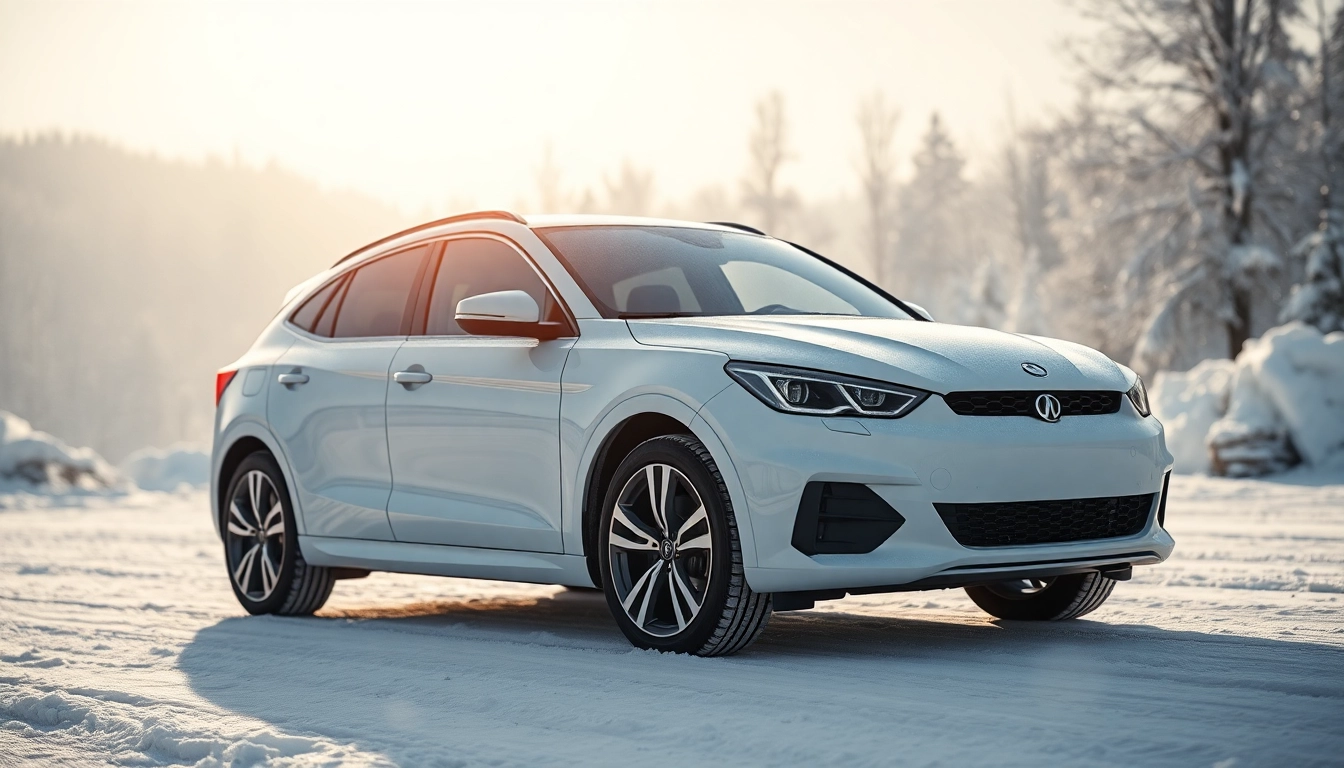
During winter months, vehicles encounter a unique set of challenges due to icy conditions and the widespread use of road salt. This salt, while necessary for safety on roads, can corrode metal surfaces and damage paint. PPF offers essential protection by forming a robust barrier that absorbs impacts and prevents salt from directly contacting the vehicle’s paint. By investing in PPF winter road salt protection, vehicle owners can significantly mitigate the risks associated with winter road conditions.
How Road Salt Affects Vehicle Surfaces
Road salt, primarily composed of sodium chloride, is used to melt ice on roads, but it can be detrimental to vehicle surfaces. When salt comes into contact with paint, it can lead to corrosion and deteriorate the finish over time. Areas of the vehicle that are exposed to heavy snow and ice buildup are particularly vulnerable. The film provides a protective layer, absorbing the brunt of the impact and preventing the salt from degrading the underlying paint. Continuous exposure without adequate protection can lead to chip formation, rust, and a decline in aesthetic value.
Key Benefits of PPF in Winter
Durability and Longevity
One of the standout features of PPF is its exceptional durability. Designed to withstand the rigors of abrasive elements, this film can last several years, even in harsh winter conditions. The advanced molecular structure resists yellowing and cracking, ensuring that your vehicle remains protected throughout its lifespan. Many high-quality PPF products also come with self-healing properties, allowing minor scratches to disappear with heat, preserving the film’s integrity and functionality.
Maintaining Aesthetic Appeal
Beyond protection, PPF enhances the aesthetic appeal of vehicles. A well-applied film can preserve the original paint and finish, keeping the car looking new and shiny. The clarity offered by PPF ensures that the vehicle’s color and shine remain vibrant, even when exposed to snowy conditions and road salt. This allows car owners to maintain their investment’s visual appeal and enjoy driving a well-maintained vehicle throughout the winter season.
Enhancing Resale Value
Vehicles that are well-maintained with protective measures like PPF tend to have higher resale values. Prospective buyers are often willing to pay a premium for vehicles that show less wear and protect the underlying paint from harsh elements. By protecting against road salt damage, PPF helps maintain the vehicle’s overall condition, ensuring it remains in excellent shape when it comes time for resale. This investment not only safeguards the vehicle in the short term but also provides long-term financial benefits.
Applying PPF for Optimal Winter Protection
Pre-Application Preparation
Before applying PPF, it’s essential to prepare the vehicle surface properly. Begin by thoroughly washing and drying the vehicle to remove any dirt, grime, or contaminants that could interfere with adhesion. It’s advisable to use a clay bar to eliminate embedded particles and create an ultra-smooth surface. Additionally, any existing imperfections such as scratches or chips should be fixed prior to applying the film to ensure a flawless appearance post-installation.
Step-By-Step Installation Guide
1. Measure and Cut: Carefully measure the areas where you will apply the PPF. Cut the film according to these measurements, leaving a little excess for adjustments.
2. Wet Application: Use a mixture of water and a few drops of dish soap in a spray bottle to saturate the area and the adhesive side of the film. This allows for adjustments before the film adheres.
3. Positioning: Place the film on the surface, ensuring it aligns properly with the edges.
4. Squeegee: Use a squeegee to remove air bubbles and excess water from under the film. Start from the center and work outwards for best results.
5. Trimming Edges: Once the film is firmly in place, trim the excess film around the edges with a sharp blade.
6. Curing: Allow the film to cure as per the manufacturer’s instructions, usually at least 24 hours before exposing the vehicle to water or harsh conditions.
Common Mistakes to Avoid
When applying PPF, there are several common mistakes to avoid to ensure optimal results. Firstly, insufficient surface cleaning can lead to air bubbles trapped under the film. Secondly, cutting the film while on the vehicle can lead to accidental scratches on the paint; always trim on a flat surface. Additionally, rushing the installation can compromise the film’s alignment. Finally, failing to allow for proper curing time can result in premature failure of the film.
Maintaining PPF Throughout the Winter
Cleaning and Care Tips
To maintain PPF during winter, regular cleaning is essential. Use a mild, non-abrasive soap with warm water to wash the vehicle. Avoid automated car washes that use harsh brushes, as they can scratch the film. Instead, hand wash the vehicle and dry it with microfiber cloths. It’s also beneficial to apply a specialized PPF sealant to enhance its protective properties and make future cleaning easier. Keeping the film clean helps prolong its life and ensures it continues to provide optimal protection.
Dealing with Scratches and Damage
PPF is designed to withstand minor scratches and impacts, but deeper gashes may occur. For superficial scratches, heating the area with a heat gun or hair dryer can activate the self-healing properties of the film. For more significant damage, the best solution is often to replace the affected section of the film rather than attempting repair. Many professional installers can provide patches or complete replacements that restore the vehicle’s protection.
When to Reapply PPF
Reapplication of PPF may be necessary if the film shows signs of significant wear, such as discoloration, bubbling, or peeling edges. Typically, high-quality films can last five to seven years, but environmental conditions can influence this duration. If the film starts to yellow or lose its clarity, it’s time to consider reapplication. Regular inspections, especially after winter, can help determine the need for replacement early, ensuring continual protection for your vehicle.
Frequently Asked Questions about PPF Winter Road Salt Protection
How does PPF protect against road salt?
PPF acts as a barrier between the salt and the vehicle’s paint, preventing corrosion and damage. It absorbs impacts and protects the surface effectively.
Can I install PPF myself?
While DIY installation is possible, professional installation is recommended for optimal results. Proper tools and experience significantly improve the outcome.
How long does PPF last in winter conditions?
High-quality PPF can last between five to seven years, even under harsh winter conditions, with proper care and maintenance.
Is PPF worth the investment in snowy regions?
Yes, PPF is a worthwhile investment in snowy areas as it protects against road salt and other winter-related damage, preserving vehicle value and appearance.
What are the costs associated with PPF application?
Costs for PPF application can range from a few hundred to several thousand dollars, depending on the vehicle’s size and the areas covered by the film.