Introduction to Wire Manufacturer
The role of a Wire Manufacturer is pivotal in numerous industries, functioning as the backbone of various applications ranging from construction to electronics. This article delves into the expansive world of wire manufacturing, covering its definitions, processes, product types, quality standards, challenges, and future trends pertinent to the industry.
Defining Wire Manufacturing
Wire manufacturing is a specialized process that involves the production of metal wires from raw materials. This intricate procedure begins with the selection of base materials, followed by several stages of shaping and processing to achieve desired wire characteristics. The primary objective is to create wires that meet specific electrical, mechanical, and thermal properties essential for their intended applications.
Importance in Various Industries
Wire products serve critical functions across various sectors: in telecommunications, they facilitate signal transmission; in construction, they provide structural support; and in automotive industries, they are vital for electrical systems. The versatility of wires, whether for power distribution or communication, underscores their indispensable role in modern industry.
Overview of Manufacturing Processes
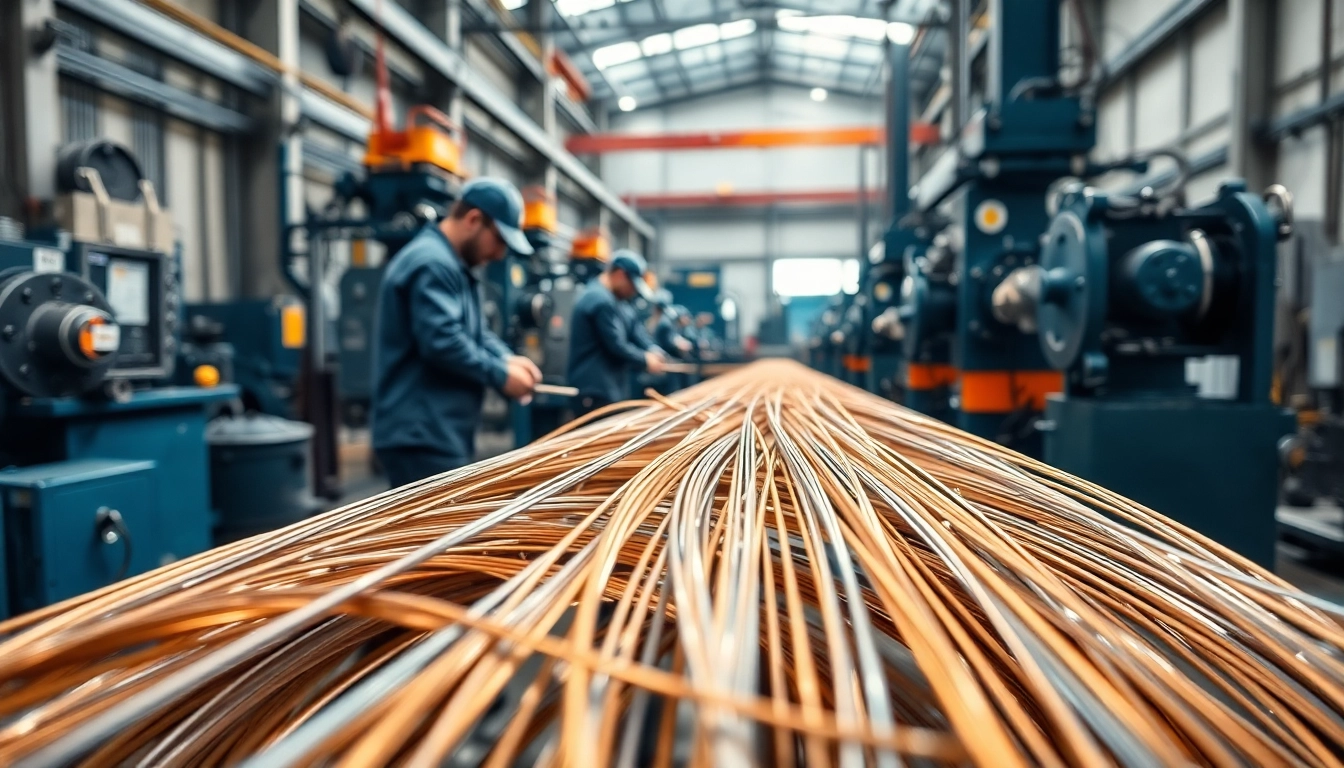
The wire manufacturing process typically includes several key stages: drawing, annealing, and coating. Drawing reduces the wire diameter by pulling the wire through progressively smaller dies, while annealing involves heating to relieve internal stresses, improving flexibility. Coating can further enhance properties, such as corrosion resistance or conductivity, based on the application requirements.
Types of Wires Produced by Wire Manufacturer
Ferrous and Non-Ferrous Wires
Wire manufacturers produce both ferrous and non-ferrous wires, each serving different applications. Ferrous wires, composed mainly of iron, are commonly used in construction and heavy industries due to their strength and magnetic properties. On the other hand, non-ferrous wires, such as copper and aluminum, are prized for their conductivity and resistance to rust, making them ideal for electrical applications.
Specialty Wires and Applications
Specialty wires are designed for specific applications, including high-temperature settings, electrical insulation, and resistance to environmental factors. Examples include silicon steel wire used in motors and transformers, or stainless steel wire for medical devices. The precise manufacturing methodologies and material choices significantly impact the functionality and performance of these wires in their respective domains.
Comparison of Wire Types
When comparing wire types, considerations include strength, conductivity, weight, and corrosion resistance. For instance, while copper wire is preferred for electrical conductivity, it is heavier than aluminum, which is lighter yet less conductive. This knowledge is crucial for manufacturers and designers when selecting the appropriate wire type for specific engineering applications.
Quality Standards for Wire Manufacturer
Industry Certifications and Compliance
Quality is paramount in wire manufacturing, with compliance to standards such as ISO 9001 and industry-specific certifications ensuring products meet safety and efficacy benchmarks. Adherence to these regulations not only assures quality but also enhances market credibility, fostering customer trust.
Testing and Quality Assurance Processes
Quality assurance involves rigorous testing procedures that assess wire properties under various conditions. These tests evaluate tensile strength, electrical conductivity, and corrosion resistance, ensuring that the final product adheres to predetermined specifications. Continuous improvement processes help manufacturers maintain high standards and adapt to evolving market demands.
Importance of Material Selection
Material selection plays a critical role in determining the performance characteristics of manufactured wires. Factors such as corrosion resistance, tensile strength, and thermal conductivity must be carefully considered based on the application. For instance, stainless steel might be chosen for its corrosion resistance in marine environments, while copper would be preferred for its superior electrical conductivity.
Challenges Facing Wire Manufacturer
Supply Chain Issues
The wire manufacturing industry often grapples with supply chain challenges, which may include raw material shortages and fluctuations in pricing. Such disruptions can impact production schedules and profitability. Manufacturers need to establish resilient supply chains to mitigate these risks, leveraging strategies like supplier diversification and bulk purchasing.
Technological Advancements
Rapid technological advancements present both challenges and opportunities in wire manufacturing. While automation and smart manufacturing improve efficiency and reduce costs, they also require significant investments in new machinery and training. Embracing digital transformation frameworks can help manufacturers stay competitive while optimizing production processes.
Market Demands and Trends
Staying attuned to changing market demands is crucial for wire manufacturers. Trends towards lightweight materials, sustainable manufacturing, and customized wire solutions are reshaping the landscape. Businesses must be agile, leveraging market intelligence to adapt product offerings and meet customer expectations.
Future Trends in Wire Manufacturing
Sustainable Practices
Sustainability in wire manufacturing is becoming increasingly important. Manufacturers are adopting eco-friendly practices, such as using recycled materials and reducing energy consumption in production. Emphasizing sustainability not only meets regulatory requirements but also resonates with environmentally conscious consumers.
Innovative Technologies in Production
The integration of innovative technologies like 3D printing and artificial intelligence in wire production is on the rise. These technologies can enhance customization abilities and efficiency, allowing manufacturers to respond swiftly to niche market demands and improve overall production capabilities.
Predictions for the Industry’s Evolution
Looking ahead, the wire manufacturing industry is set to evolve with digitalization, emerging materials, and enhanced production techniques. Predictive analytics may inform manufacturing processes, improving efficiency and reducing waste. Furthermore, the focus on smart manufacturing solutions will likely shape new business models, revolutionizing how wire products are developed and marketed.
Frequently Asked Questions about Wire Manufacturer
1. What materials are commonly used in wire manufacturing?
Common materials include copper, aluminum, and various alloys, with choices made based on conductivity, strength, and corrosion resistance required for specific applications.
2. How are wires tested for quality?
Wires undergo rigorous tests assessing tensile strength, electrical conductivity, and resistance to environmental factors, ensuring they meet industry standards and specifications.
3. What are specialty wires used for?
Specialty wires are crafted for unique applications, such as high-temperature settings, medical devices, or environment-specific functionalities, each tailored to meet specific operational demands.
4. How do market trends impact wire manufacturers?
Market trends influence product development, requiring manufacturers to adapt to trends like sustainability, lightweight materials, and increased customization to meet consumer needs.
5. What role does technology play in wire manufacturing?
Technology enhances production efficiency, improves precision, and allows for innovations like automation and smart manufacturing techniques, which are essential for competitiveness.