- Introduction to Extended Car Warranty vs Manufacturer Extended Warranty
- Coverage Types in Extended Car Warranty vs Manufacturer Extended Warranty
- Cost Comparison: Extended Car Warranty vs Manufacturer Extended Warranty
- Claim Process for Extended Car Warranty vs Manufacturer Extended Warranty
- FAQs on Extended Car Warranty vs Manufacturer Extended Warranty
Introduction to Extended Car Warranty vs Manufacturer Extended Warranty
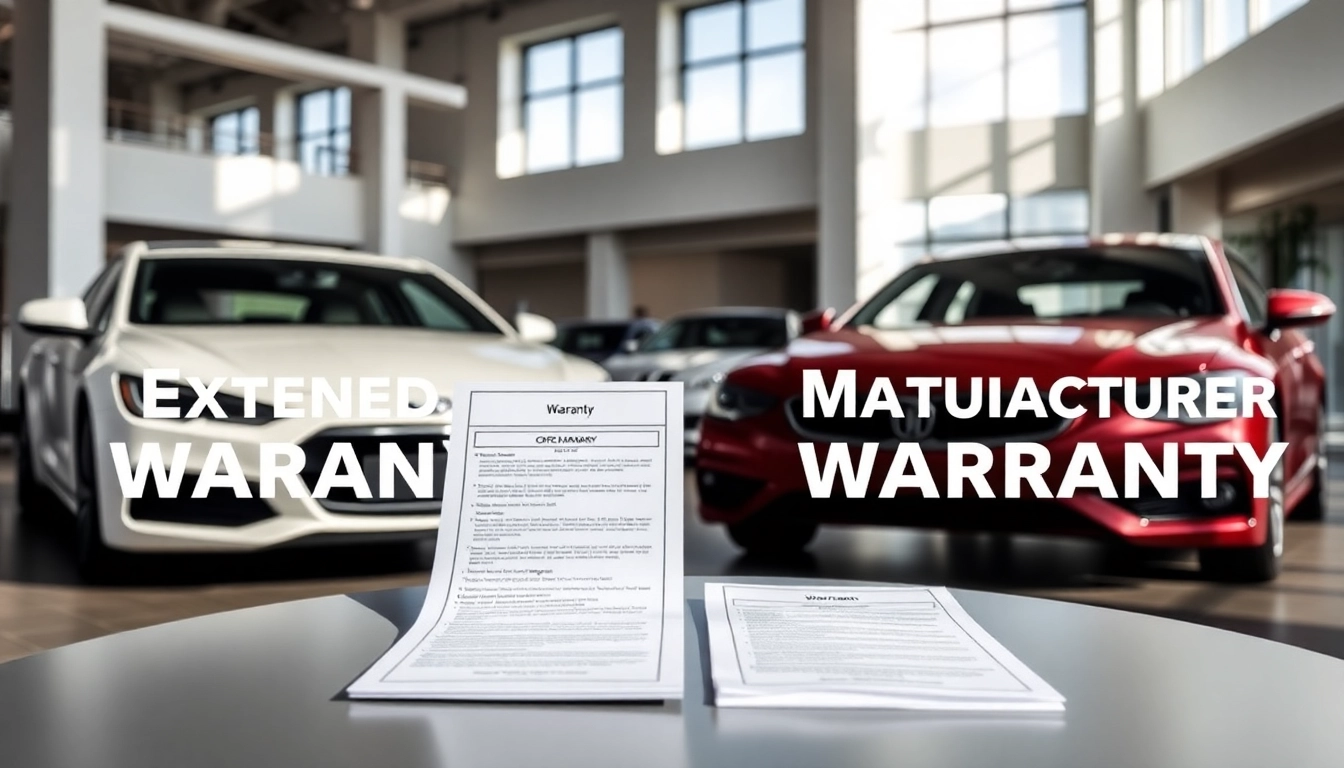
The decision to invest in an extended car warranty can be a pivotal one for car owners, offering peace of mind against unexpected repair costs. However, understanding the nuances between an extended car warranty vs manufacturer extended warranty is crucial for making an informed choice. This article breaks down the definitions, coverage options, cost implications, and claims processes associated with these two types of warranties, empowering you to choose the best option for your vehicle.
Definition of Extended Car Warranty
An extended car warranty, often referred to as a vehicle service contract, provides additional coverage beyond the standard factory warranty. This warranty can be purchased from third-party providers or specialized insurers. Essentially, it covers repairs on parts of the vehicle that could fail due to mechanical breakdowns, providing financial relief to the vehicle owner during expensive repairs.
Definition of Manufacturer Extended Warranty
A manufacturer extended warranty is a form of coverage offered directly by the car’s manufacturer. This warranty typically extends the original warranty period issued at the time of purchase and ensures that repairs are made with manufacturer-approved parts and services. Often, this type of warranty is more robust than third-party options, as it is specifically tailored to the vehicle’s make and model.
Importance of Choosing the Right Warranty
Choosing the right warranty can have substantial financial implications for vehicle maintenance and repair costs. The warranty you select should align with your vehicle’s reliability, your financial situation, and how long you intend to keep the car. Understanding the differences between an extended car warranty and a manufacturer extended warranty can help you avoid unwelcome surprises down the road.
Coverage Types in Extended Car Warranty vs Manufacturer Extended Warranty
What Extended Car Warranty Covers
Coverage under an extended car warranty can vary significantly by provider but generally includes major components of the vehicle such as the engine, transmission, cooling system, and electrical parts. Some comprehensive plans also offer additional features like roadside assistance, rental car reimbursement, and trip interruption coverage. It’s advisable to examine each policy for specific inclusions and exclusions.
What Manufacturer Extended Warranty Covers
Manufacturer extended warranties typically cover a broad range of repairs and may include additional services such as free oil changes, tire rotations, and roadside assistance. Because these warranties are tied to the brand, they often provide specialized coverage for systems and components specific to that model, enhancing the value of the warranty.
Key Differences in Coverage Terms
While both extended car warranties and manufacturer extended warranties serve similar functions, the specifics can vary greatly. Extended car warranties may offer customizable plans tailored to individual needs, while manufacturer warranties often focus on brand-specific components. Additionally, manufacturer warranties might include services that third-party warranties do not cover, reflecting the design and technology of the vehicle.
Cost Comparison: Extended Car Warranty vs Manufacturer Extended Warranty
Factors Influencing Extended Car Warranty Costs
Numerous factors can influence the cost of extended car warranties, including the age and make of the vehicle, the level of coverage desired, and the geographical location of the vehicle. Other considerations include the owner’s driving habits, the selected term length, and deductible amounts. Understanding these variables can help you negotiate a warranty that fits your budget.
Factors Influencing Manufacturer Extended Warranty Costs
Manufacturer extended warranties often have a more standardized pricing structure determined by the manufacturer’s guidelines. Factors influencing cost include vehicle model, warranty length, and additional benefits like roadside assistance. Since these warranties usually offer more comprehensive coverage, they tend to be on the pricier side than many extended car warranties.
Understanding Value vs Price
When comparing warranties, it’s essential to differentiate between value and price. A lower-priced warranty might not necessarily provide the best coverage or service. Look for warranties that offer a balance of cost and comprehensive coverage, ensuring that your investment will serve you in times of need. Evaluating potential repair costs alongside warranty pricing can aid in making a well-informed decision.
Claim Process for Extended Car Warranty vs Manufacturer Extended Warranty
Overview of Claim Process for Extended Car Warranty
Filing a claim under an extended car warranty typically requires all relevant documentation, including proof of maintenance and service history. The claim process generally involves contacting the warranty provider, detailing the issue, and waiting for approval. Depending on the provider, claim approval may come quickly or after days of evaluation.
Overview of Claim Process for Manufacturer Extended Warranty
Claiming under a manufacturer extended warranty usually requires a visit to an authorized repair facility. The process is typically straightforward, as the manufacturer already has a relationship with the service center. After the repair assessment, the service center coordinates directly with the manufacturer to process the claim, often resulting in quicker resolutions.
Common Challenges in the Claim Process
Challenges can arise with both types of warranties during the claims process, including issues with approved repair facilities, denial of coverage for specific repairs, and delays in processing claims. It is essential to read the terms carefully and ask questions before purchasing either warranty type to understand the limitations and avoid unexpected hurdles when you need to file a claim.
FAQs on Extended Car Warranty vs Manufacturer Extended Warranty
What’s the main difference between the two types of warranties?
The main difference lies in the provider; extended car warranties are offered by third-party companies, while manufacturer extended warranties are provided by the vehicle’s manufacturer. Coverage options and claims processes may also vary significantly.
Can I use both warranties together?
Yes, you can often use both warranties simultaneously if the coverage areas do not overlap. However, understanding the terms and conditions of each warranty is crucial to avoid conflicts during the claims process.
How do I choose the best warranty for my vehicle?
Consider factors such as the vehicle’s age and reliability, your budget for repairs, and how long you plan to keep the car. Analyze the coverage provided and compare prices before making a decision.
Do I need an inspection for an extended warranty?
Some companies may require a vehicle inspection before offering an extended warranty, particularly for older vehicles. Inspections help determine the vehicle’s condition and identify any existing issues before coverage is provided.
What happens when my warranty expires?
After your warranty expires, you are responsible for all repair costs. You may consider purchasing a new warranty or extended coverage if you wish to continue having financial protection for repairs.