Experiencing stress and worry is a natural part of life, but when these feelings become overwhelming or persistent, they may be linked to Anxiety symptoms. Understanding these signs is essential for recognizing when help is needed and learning practical strategies to manage anxiety effectively. This article explores the most common anxiety symptoms, their impact on daily life, and actionable coping tips that can support emotional health.
Understanding Anxiety
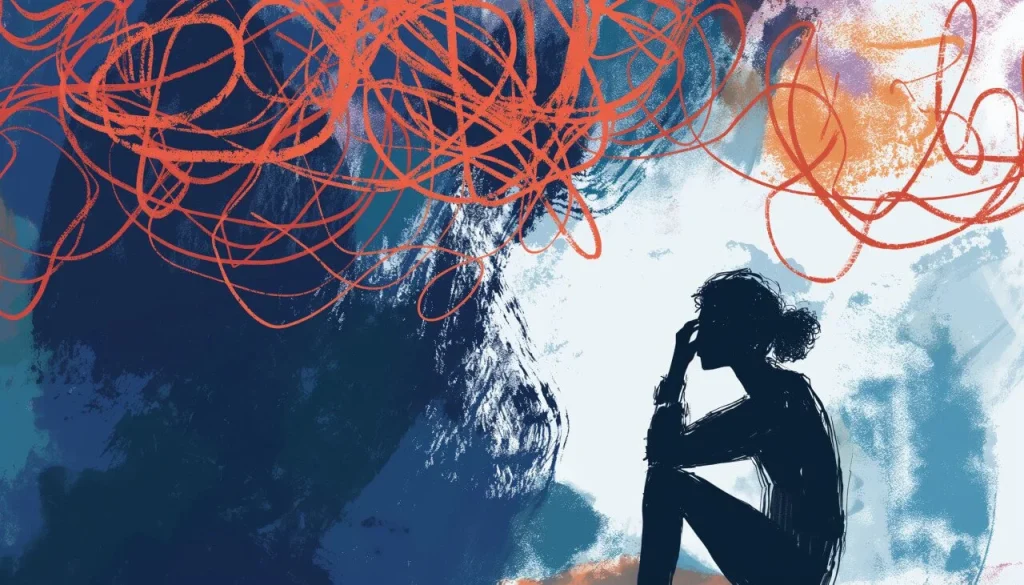
Anxiety is more than occasional worry or nervousness. It is a response to perceived danger, uncertainty, or stress, often triggering physical, emotional, and behavioral changes. While it can motivate individuals to solve problems, excessive anxiety can interfere with daily functioning, relationships, and overall wellbeing. Recognizing anxiety symptoms early allows for timely management and healthier coping mechanisms.
Common Anxiety Symptoms
Physical Symptoms
Anxiety often manifests in the body. Some of the most frequent physical signs include:
- Rapid heartbeat or palpitations
- Shortness of breath or hyperventilation
- Muscle tension, especially in the shoulders and neck
- Headaches or migraines
- Sweating, trembling, or shaking
- Stomach issues such as nausea or diarrhea
- Fatigue or trouble sleeping
For example, someone preparing for a school presentation may experience sweaty palms, a racing heart, or a feeling of butterflies in the stomach. Recognizing these physical symptoms helps in taking proactive steps to calm the body.
Emotional Symptoms
Anxiety affects emotions and thought patterns. Key emotional symptoms are:
- Persistent worry or fear about future events
- Irritability or restlessness
- Feeling overwhelmed or unable to cope
- Difficulty concentrating or making decisions
- Mood swings or heightened sensitivity
Imagine a teenager who constantly worries about grades or social situations. This ongoing stress can lead to irritability, difficulty focusing on homework, and feelings of helplessness.
Behavioral Symptoms
Anxiety can influence actions and routines, including:
- Avoidance of situations that trigger stress
- Procrastination or difficulty completing tasks
- Social withdrawal or isolation
- Nervous habits such as nail-biting, pacing, or fidgeting
For instance, a person with social anxiety may skip a party or school event to avoid discomfort, which can affect friendships and overall quality of life.
How Anxiety Symptoms Affect Daily Life
Anxiety symptoms can disrupt various aspects of life, including:
- Academic or work performance: Trouble concentrating, making decisions, or completing tasks can hinder success.
- Relationships: Irritability or avoidance can strain friendships, family connections, and romantic partnerships.
- Physical health: Chronic tension, sleep disruption, and digestive issues can lead to long-term health complications.
- Mental wellbeing: Persistent anxiety may contribute to depression, low self-esteem, or a sense of helplessness.
Recognizing these effects early allows individuals to implement coping strategies before anxiety escalates.
Practical Coping Tips for Anxiety Symptoms
Mindfulness and Relaxation Techniques
Practicing mindfulness helps focus attention on the present moment and reduces excessive worry. Effective methods include:
- Deep breathing exercises: Slow, deliberate breaths can calm the nervous system.
- Progressive muscle relaxation: Tensing and releasing muscles reduces tension.
- Meditation and guided imagery: Visualizing peaceful scenes or engaging in guided meditations promotes relaxation.
A student feeling anxious before an exam can take five minutes to practice deep breathing, helping reduce racing thoughts and physical tension.
Lifestyle Adjustments
Daily habits play a significant role in managing anxiety symptoms. Consider these changes:
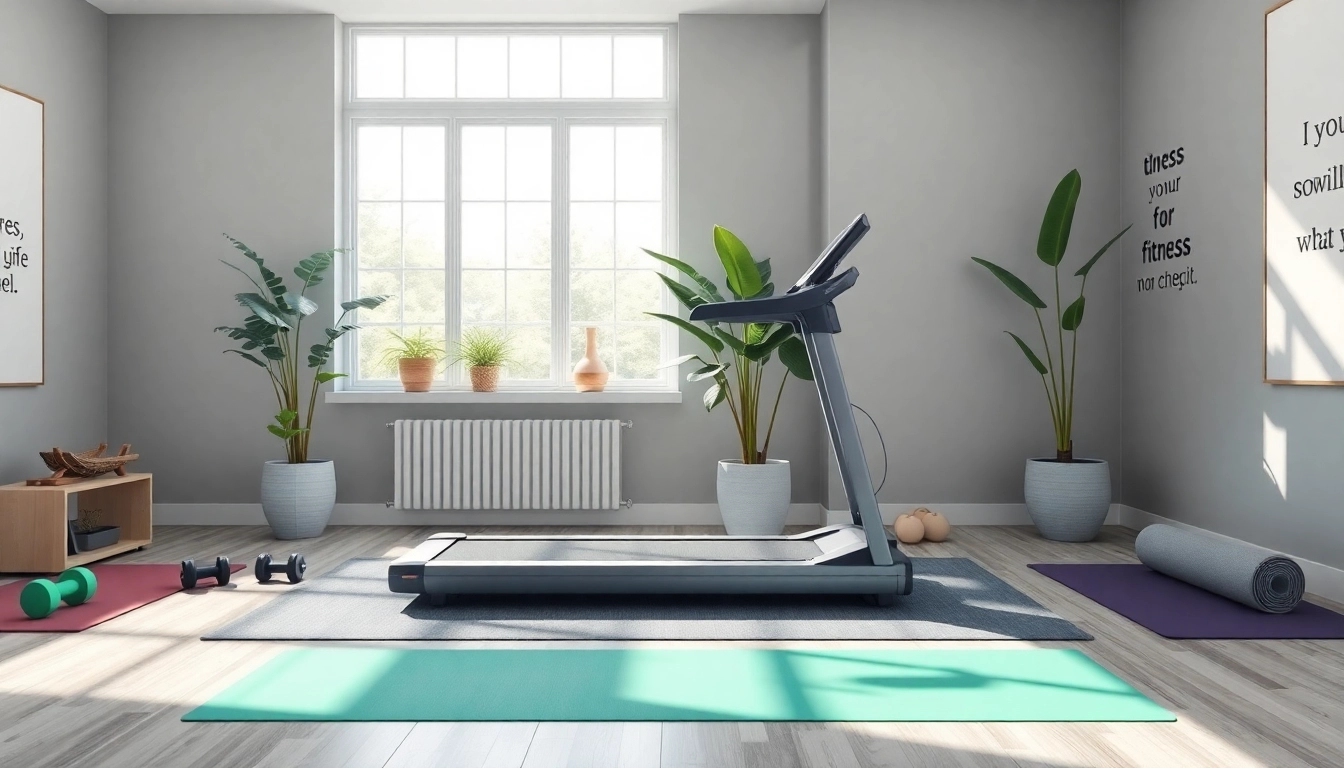
- Regular physical activity: Exercise releases endorphins that improve mood and reduce stress.
- Balanced nutrition: Eating a variety of healthy foods stabilizes energy and supports brain function.
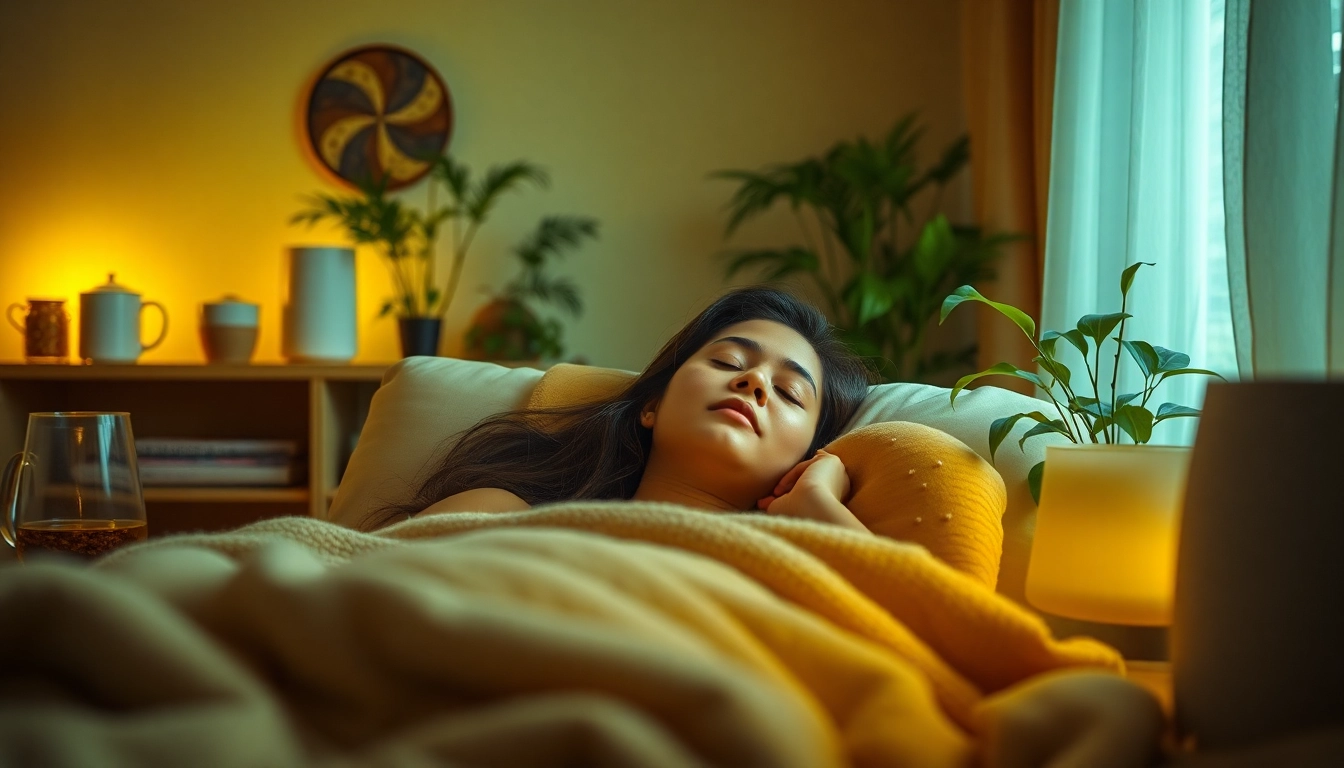
- Adequate sleep: Prioritize consistent sleep schedules to improve emotional regulation.
- Limit caffeine and alcohol: These substances can increase anxiety and disrupt sleep patterns.
For example, going for a brisk walk after school or work can release built-up stress and provide mental clarity.
Cognitive Behavioral Strategies
Cognitive-behavioral techniques can help challenge negative thought patterns that fuel anxiety:
- Identify triggers: Keep a journal to track situations, thoughts, and physical responses.
- Reframe negative thoughts: Replace irrational fears with realistic, balanced perspectives.
- Set achievable goals: Break large tasks into smaller, manageable steps.
A young professional worrying about a presentation may write down specific fears, evaluate their realism, and develop a step-by-step plan to prepare effectively.
Social and Emotional Support
Strong relationships provide a buffer against anxiety symptoms:
- Talk to trusted friends or family: Sharing worries can reduce isolation.
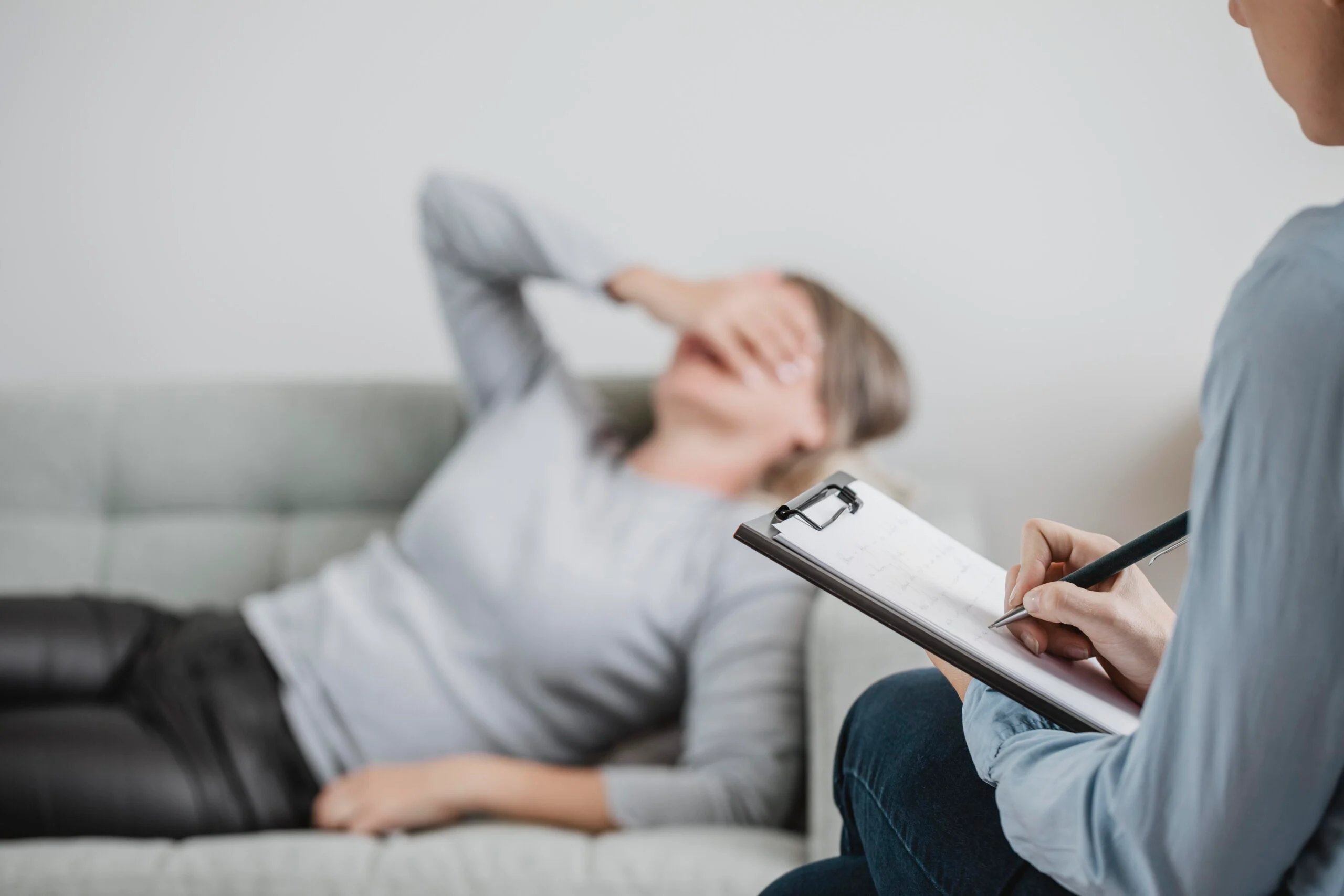
- Seek professional guidance: Therapists or counselors provide structured strategies for managing anxiety.
- Join support groups: Connecting with others facing similar challenges encourages understanding and motivation.
For example, joining a school counseling session or online support group can help teens learn coping techniques from peers in similar situations.
Practical Daily Habits
Consistent routines help manage anxiety symptoms:
- Plan your day: Use checklists or calendars to organize tasks.
- Practice self-care: Engage in hobbies, creative activities, or quiet time for reflection.
- Limit screen time: Excessive exposure to news or social media can exacerbate worry.
A student feeling overwhelmed by homework may benefit from setting a structured schedule that includes breaks and enjoyable activities.
Real-Life Examples and Case Studies
Case Study 1: Managing Exam Anxiety
Sarah, a high school student, experienced racing thoughts, headaches, and sleep disturbances before exams. She implemented deep breathing exercises, maintained a study schedule, and reached out to her school counselor. Over time, her anxiety symptoms reduced, allowing her to perform more confidently.
Case Study 2: Workplace Stress
John, a new employee, noticed palpitations and irritability due to workload pressures. By practicing mindfulness, scheduling regular breaks, and communicating with his manager, John managed his anxiety symptoms, improving both productivity and job satisfaction.
Case Study 3: Social Anxiety
Lena avoided social gatherings due to fear of judgment, experiencing trembling and nausea in social settings. Gradual exposure to small group interactions, coupled with cognitive-behavioral techniques, helped her build confidence and manage anxiety symptoms effectively.
Preventive Strategies for Anxiety
Preventing anxiety from becoming overwhelming involves proactive strategies:
- Develop emotional awareness: Recognize early signs of stress.
- Maintain a healthy lifestyle: Balanced diet, exercise, and sleep strengthen resilience.
- Practice regular relaxation: Incorporate mindfulness or meditation daily.
- Seek early intervention: Consulting mental health professionals prevents escalation.
By integrating these strategies, individuals can reduce the frequency and intensity of anxiety symptoms.
Conclusion
Understanding anxiety symptoms is the first step toward managing stress and maintaining emotional wellbeing. Physical, emotional, and behavioral signs often signal when anxiety is affecting daily life. By practicing mindfulness, adjusting lifestyle habits, employing cognitive-behavioral techniques, and seeking support, individuals can effectively cope with anxiety symptoms. Real-life examples show that proactive strategies and consistent self-care lead to improved mental health, greater confidence, and overall life satisfaction. Recognizing anxiety early and implementing practical coping methods ensures a balanced and resilient approach to daily challenges. Head back to the main page for fresh updates and trending topics.
FAQs
What are the most common anxiety symptoms?
Common anxiety symptoms include rapid heartbeat, shortness of breath, muscle tension, irritability, restlessness, difficulty concentrating, and avoidance behaviors. These symptoms can affect physical health, emotional wellbeing, and daily routines.
How can I cope with anxiety symptoms in daily life?
Practical strategies include deep breathing exercises, mindfulness, physical activity, balanced nutrition, adequate sleep, cognitive-behavioral techniques, and seeking support from friends, family, or professionals. Structured routines also help reduce anxiety.
When should I seek professional help for anxiety symptoms?
If anxiety symptoms are persistent, interfere with daily activities, or cause significant distress, it is important to consult a mental health professional. Early intervention can prevent escalation and provide effective coping strategies.