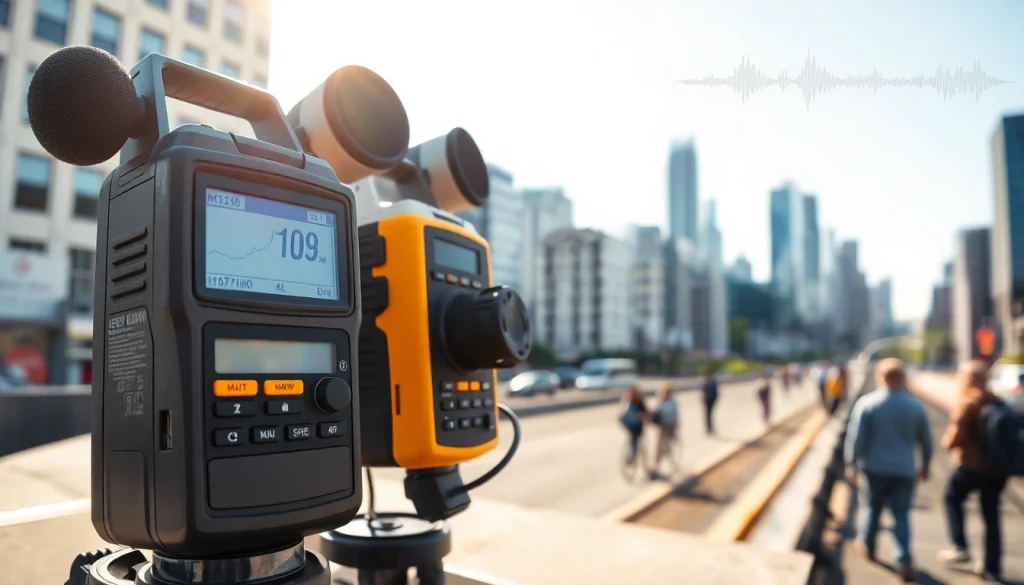
What is Noise Impact Assessment?
Defining Noise Impact Assessment
A noise impact assessment is a systematic evaluation that focuses on the potential effects that different noise sources have on the surrounding environment and community. It involves a detailed analysis of how these noise sources can affect health, well-being, property value, and the overall quality of life for individuals residing near the affected areas. The assessment typically considers both existing noise environments and the additional noise generated by new projects or developments.
Importance in Urban Planning
In urban planning, noise impact assessments are crucial. They help city planners, architects, and developers to understand how a proposed project willinteract with the existing acoustic environment. This understanding enables them to implement design strategies that can mitigate potential noise issues before they arise. By integrating these assessments at the planning phase, cities can promote healthier living spaces, enhance the quality of urban experience, and ensure sustainable development.
Legal Requirements and Regulations
Many jurisdictions have specific legal requirements concerning noise impact assessments, particularly for large developments or projects in noise-sensitive areas. Regulations may stipulate that developers conduct thorough noise studies to identify potential impacts and develop appropriate mitigation strategies. Understanding local laws and environmental regulations is essential for compliance and can significantly influence the success of a project. A comprehensive noise impact assessment aids in legal compliance and community relations, fostering trust between developers and local communities.
Methodologies for Conducting Noise Impact Assessment
Noise Measurement Techniques
There are various techniques for measuring noise, each designed to capture distinct aspects of the sound environment. Common methods include:
- Continuous Monitoring: Equipment is deployed over a period to collect data on fluctuating noise levels throughout the day and night.
- Short-duration Measurements: Point measurements are taken at specific times to gauge peak noise levels or daytime averages.
- Sound Mapping: This technique creates visual representations of sound levels across geographical areas, illustrating the spatial distribution of noise impacts.
- Community Input: Surveys and questionnaires can gather subjective data on residents’ perceptions and tolerance of existing noise levels.
Data Collection Processes
The data collection process is critical to the reliability of noise impact assessments. Effective data collection involves:
- Establishing clear objectives for what the assessment aims to achieve and what specific noise sources will be evaluated.
- Utilizing calibrated and high-quality equipment to ensure accuracy in sound measurement.
- Taking data at varying times and weather conditions to account for factors that may influence noise propagation, such as wind direction, temperature, and humidity.
Analysis and Reporting
Once the data is collected, it is analyzed using statistical and acoustic modeling techniques to predict how the introduced noise will impact nearby communities. Reports typically include:
- Descriptive statistics of collected noise data,
- An analysis of potential impacts on sensitive receptors (such as residential areas, schools, and hospitals),
- Mitigation strategies that the developer can implement to minimize noise disturbances, and
- Recommendations for ongoing monitoring and follow-up assessments.
Challenges in Implementing Noise Impact Assessment
Common Obstacles Faced
Implementing noise impact assessments can be fraught with challenges. Common obstacles include:
- Lack of Standards: Inconsistent guidelines across regions can lead to confusion over necessary procedures and reporting formats.
- Stakeholder Resistance: Developers often face pushback from community groups who may not agree with potential developments or the noise associated with them.
- Data Limitations: Obtaining accurate historical noise data can be challenging, particularly if the area does not have a previous record of noise assessments.
Strategies for Overcoming Challenges
To navigate these challenges effectively, consider the following strategies:
- Employ industry-standard guidelines to ensure comprehensive evaluations are completed and reported consistently.
- Engage stakeholders early in the assessment process to build trust and promote collaborative solutions that address concerns.
- Utilize advanced modeling tools to predict noise impacts accurately when historical data is limited.
Case Studies of Successful Assessments
Examining case studies where noise impact assessments have led to successfully mitigated issues provides valuable insights. In one instance, a large urban development project in a densely populated area conducted extensive community engagement. Through transparent dialogues and calm rational, the project team successfully modified their design to incorporate sound barriers and enhanced landscape strategies, leading to community support and the successful completion of the project without significant backlash.
Best Practices for Effective Noise Impact Assessment
Establishing Clear Objectives
A successful noise impact assessment begins with well-defined objectives. These should align with both regulatory requirements and community expectations. Clear objectives facilitate focused analysis and actionable outcomes throughout the assessment process.
Engaging Stakeholders Throughout the Process
Communicating effectively with stakeholders can foster trust and transparency. Regularly updating communities and stakeholders about progress and findings ensures their concerns are heard and addressed. This engagement can be critical in finding creative solutions to potential noise issues.
Continuous Monitoring and Evaluation
Post-implementation monitoring provides valuable data to evaluate the effectiveness of noise mitigation strategies. Ongoing assessments allow for adjustments and improvements, ensuring that noise levels remain within acceptable limits and that community satisfaction is maintained.
The Future of Noise Impact Assessment
Technological Advances in Measurement
The field of acoustics is continually evolving with technological advancements. Innovations such as smart sensors and mobile applications enable more precise monitoring and accessibility to real-time data, making assessments more efficient and comprehensive.
Policy Changes and Environmental Considerations
As climate change and sustainability become more pressing, policies surrounding noise impact assessments are likely to evolve. Future regulations may require more thorough evaluations of noise in relation to environmental impacts and community health outcomes.
Emerging Trends in Urban Development
Urban development trends such as mixed-use spaces are altering the soundscapes of cities. Noise impact assessments must adapt to consider the intersection of residential, commercial, and recreational areas, ensuring harmonious coexistence while minimizing disturbances.