Introduction to Land Irrigation
What is Land Irrigation?
Land irrigation refers to the process of applying controlled amounts of water to crops or soil to facilitate plant growth. This essential agricultural practice helps ensure that plants receive adequate moisture at critical stages of development. By carefully managing water distribution, farmers can significantly enhance crop yields while minimizing waste. Effective land irrigation methods can help balance water usage and soil moisture levels, which is vital for sustainable farming practices.
Importance of Land Irrigation in Agriculture
Land irrigation plays a pivotal role in modern agriculture, especially in regions where rainfall is inconsistent or insufficient. As global population growth continues to rise, along with the associated demand for food, the necessity for efficient irrigation practices becomes even more pronounced. Proper irrigation systems can lead to:
- Increased Crop Yields: Irrigation facilitates a reliable water supply, significantly enhancing crop production.
- Improved Soil Fertility: Consistent watering can help maintain soil nutrient levels, promoting healthier plants.
- Mitigation of Drought Effects: By providing support during dry spells, irrigation reduces the risk of crop failure.
- Economic Growth: Enhanced agricultural productivity can contribute to local and national economies, increasing farmer income and opening new market opportunities.
Common Types of Land Irrigation
Land irrigation can be classified into several types, each with its unique advantages and challenges. Understanding these methods is critical for selecting the right approach for specific farming contexts:
- Surface Irrigation: Water is applied directly to the soil surface, allowing it to flow through the field. This method is effective for large, flat fields but can lead to uneven water distribution if not managed properly.
- Drip Irrigation: A highly efficient method where water drips directly to the roots of plants through a network of tubing, minimizing waste.
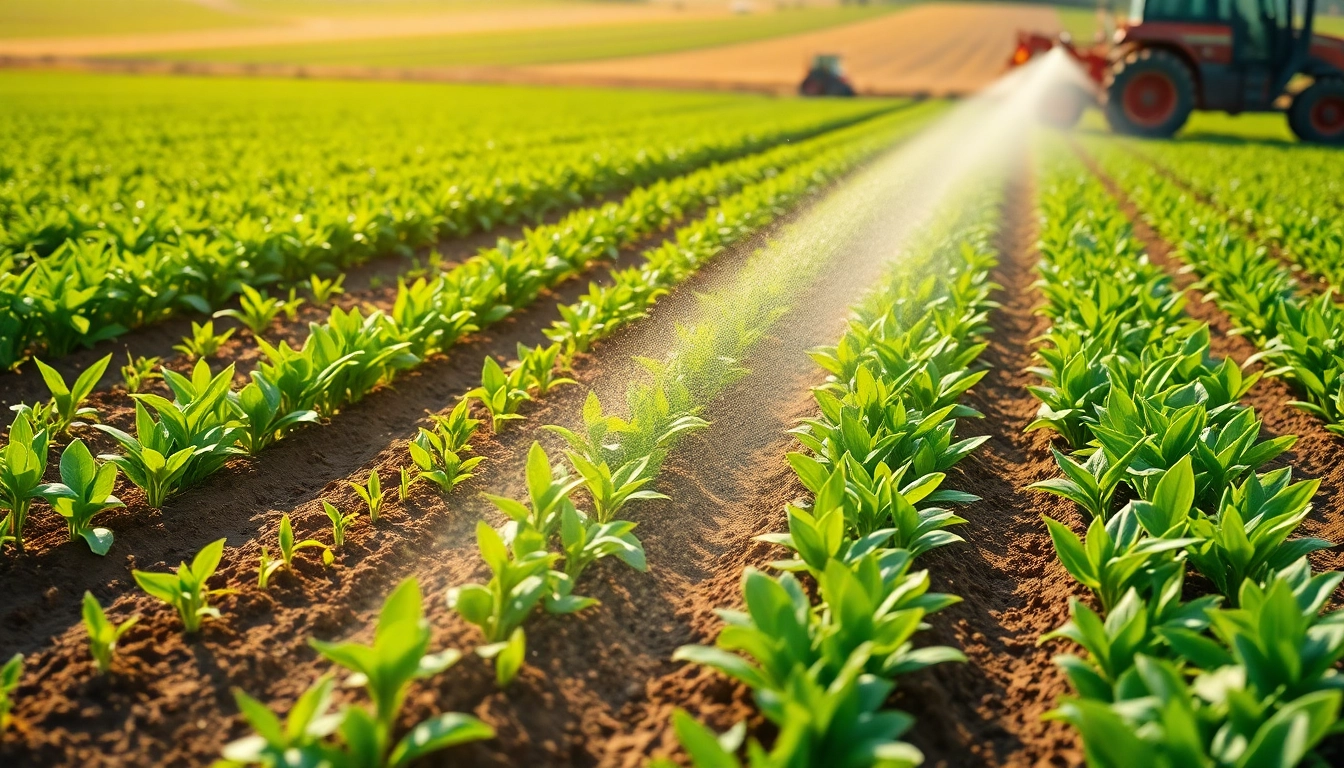
- Sprinkler Irrigation: Water is sprayed over crops in a controlled manner, mimicking natural rainfall. This type is versatile and can be used in various terrains.
- Subsurface Irrigation: Pipes buried beneath the soil deliver water directly to the root zone, reducing evaporation and improving water efficiency.
Principles of Effective Land Irrigation
Understanding Soil Water Needs
To optimize land irrigation, it is essential to understand the water requirements of various soils and crops. Each crop has a specific water footprint, which varies depending on factors such as growth stage, soil texture, and climatic conditions. Understanding the following aspects is crucial:
- Soil Texture: Different soil types retain water differently. Sandy soils drain quickly, while clayey soils hold water longer.
- Root Depth: Crops with deeper roots can access moisture from lower soil layers, thus requiring less frequent irrigation.
- Crop Type: Various crops have unique water requirements; for instance, rice needs more water than wheat.
Timing and Frequency of Irrigation
The effectiveness of irrigation also hinges on the timing and frequency of water application. Research indicates that:
- Timing: Irrigation should be scheduled to coincide with critical growth stages such as flowering or fruiting.
- Frequency: Monitoring soil moisture levels frequently can help determine the best intervals for irrigation, avoiding both over- and under-watering.
Employing strategies such as irrigation scheduling can significantly optimize water use efficiency in agricultural practices.
Water Quality Considerations
Water quality is a paramount concern in land irrigation, as it can directly impact soil health and crop productivity. Some key factors to consider include:
- Salinity Levels: High salinity can adversely affect plant growth and soil structure.
- Contaminants: Water sources should be monitored for pollutants which can compromise crop health.
- pH Levels: Soil pH influences nutrient availability; thus, maintaining optimal water pH is vital.
Modern Technologies in Land Irrigation
Drip Irrigation Systems
Drip irrigation systems have revolutionized the way water is delivered to crops. These systems provide numerous benefits:
- Water Conservation: By delivering precise amounts of water directly to the roots, drip systems can reduce water consumption by up to 60%.
- Reduced Weed Growth: Because water is applied only where needed, there is less moisture available for weeds.
- Enhanced Soil Structure: Consistent watering helps maintain soil structure and nutrient levels.
Smart Irrigation Controllers
Smart irrigation controllers integrate weather data and soil moisture sensors to optimize irrigation schedules. These advanced technologies can:
- Adjust Automatically: Smart controllers can detect rainfall or changes in temperature and adjust watering accordingly.
- Data Tracking: They can track water usage and assess irrigation efficiency, providing valuable data for farmers.
- Remote Access: Many systems can be monitored and adjusted remotely via smartphone apps.
Remote Monitoring Technologies
Remote monitoring technologies facilitate real-time tracking of soil moisture, weather conditions, and system performance. The benefits include:
- Timely Interventions: Farmers can receive alerts for irrigation needs, preventing water stress and crop loss.
- Resource Management: Data-driven insights help optimize water resource management effectively.
Challenges in Land Irrigation
Water Scarcity and Management
Water scarcity is a growing concern globally, driven by climate change, overuse, and population growth. Effective management of water resources is essential:
- Sustainable Practices: By adopting water-saving technologies, farmers can mitigate scarcity impacts.
- Regulatory Compliance: Understanding and adhering to local water regulations is vital for sustainable irrigation practices.
Climate Impact on Irrigation Efficiency
The effects of climate change, such as erratic rainfall patterns, have far-reaching implications for irrigation efficiency. Farmers need to:
- Adapt to New Norms: Shift irrigation practices as climate conditions evolve.
- Invest in Resilience: Build resilience through diversified cropping and soil conservation techniques.
Maintaining Equipment and Infrastructure
Regular maintenance of irrigation systems is crucial to prevent breakdowns and ensure efficiency. Some key practices include:
- Routine Inspections: Conduct regular checks for leaks, blockages, and efficiency.
- Proper Training: Ensure that staff is trained in system operation and troubleshooting.
Future Trends in Land Irrigation
Innovative Water Conservation Techniques
Water conservation is increasingly becoming a priority in agricultural practices. New techniques, such as rainwater harvesting and soil moisture retention strategies, promote sustainable water use. Understanding these techniques is essential for modern farmers to adapt to ongoing environmental challenges.
Integration of AI in Irrigation Management
Artificial intelligence is transforming irrigation management. AI-driven systems can analyze data from various sources to optimize water usage, improve accuracy in monitoring, and assist in predictive analytics:
- Predictive Modeling: Anticipating water needs based on weather forecasts and crop growth stages.
- Automated Adjustments: AI can adjust irrigation schedules in real-time based on environmental conditions.
Sustainable Practices for Land Irrigation
Sustainable irrigation practices aim to balance agricultural needs with ecological preservation. Adopting such practices includes:
- Soil Health Management: Enhancing soil structure and promoting biodiversity.
- Efficient Water Use: Minimizing waste through advanced technologies and practices.
- Crop Selection: Choosing drought-resistant varieties can reduce irrigation demands.
FAQs
1. What is the best method for land irrigation?
The best method depends on crop type and water availability. Drip irrigation is often considered efficient for many crops.
2. How does land irrigation impact crop yield?
Proper land irrigation significantly improves crop productivity, ensuring crops receive adequate water for growth.
3. Can land irrigation systems be automated?
Yes, many modern land irrigation systems can be automated using sensors and smart controllers for efficiency.
4. What are the signs of over-irrigation?
Signs include waterlogged soil, unusual crop growth patterns, and increased pest diseases. Monitoring moisture levels is crucial.
5. How can I improve my land irrigation practices?
Consider adopting technologies like drip irrigation, regularly check soil moisture, and adapt your irrigation schedule to weather conditions.