Understanding Gas Springs: What You Need to Know
Definition and Functionality of Gas Springs
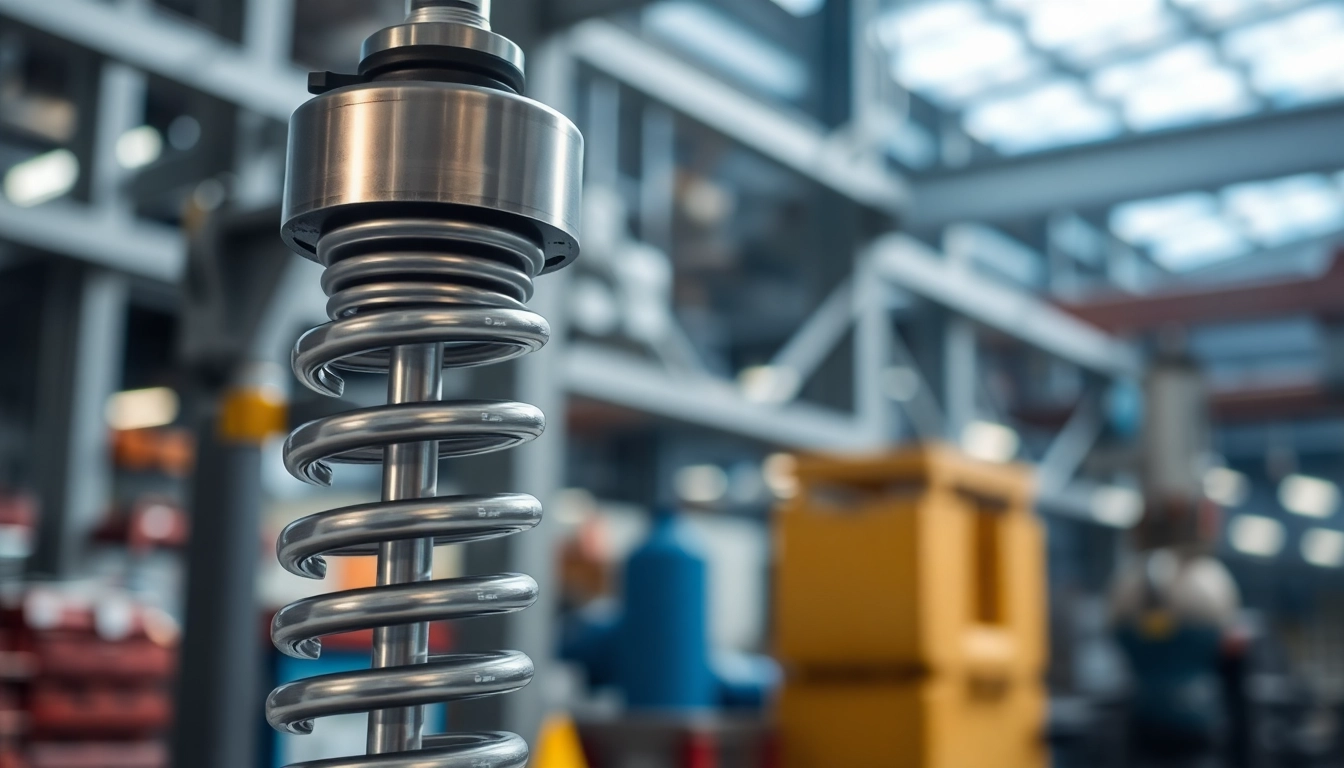
Gas springs are hydraulic devices that utilize compressed gas to create a force that can be harnessed for various mechanical applications. These devices typically contain a piston and an internal gas chamber, allowing them to provide a push or pull motion. They are commonly used to assist in lifting, lowering, or holding heavy objects with ease, providing a smooth and controlled movement. The primary functionality of gas springs is to offer adjustable support in applications ranging from automotive components to furniture design and industrial machinery.
Key Components of Gas Springs
A gas spring comprises several essential components that work together to generate the desired force. The most critical components include:
- Piston: The piston moves within the cylinder, displacing the gas to create pressure.
- Cylinder: The enclosed chamber that houses the piston and gas, providing structural integrity.
- Gas Charge: Typically nitrogen, it is compressed inside the gas spring to create the force required for operation.
- Seal: Prevents gas leakage while allowing the piston to move freely.
- Mounting Brackets: Facilitate the installation of gas springs in various applications.
Understanding these components is crucial for identifying the right gas spring for specific applications and ensuring optimal performance.
Applications of Gas Springs in Various Industries
Gas springs are utilized across a multitude of industries due to their versatility and reliability. Some notable applications include:
- Automotive: Used in hatchbacks, trunks, and engine compartments for assistance in lifting and lowering.
- Furniture: Incorporated in adjustable desks, recliners, and office chairs to provide dynamic movement and comfort.
- Aerospace: Applied in aircraft doors and access panels where reliable weight support is essential.
- Industrial Machinery: Implemented in equipment that requires controlled movement or lifting of heavy materials.
- Medical Devices: Found in hospital beds and examination tables to adjust height conveniently.
The wide range of applications highlights the importance of selecting the right Gas Spring Supplier who can meet the specific demands of various industries.
Choosing the Right Gas Spring Supplier
Factors to Consider When Evaluating Suppliers
Selecting the appropriate gas spring supplier is crucial for ensuring quality product procurement. Here are key factors to consider:
- Experience and Expertise: Look for suppliers with significant experience in manufacturing gas springs and an understanding of various applications.
- Product Range: Ensure the supplier has a diverse range of gas springs to meet different operational needs.
- Customization Capabilities: Consider suppliers who offer custom solutions tailored to specific requirements.
- Technological Advancements: Check for suppliers who keep up with modern manufacturing technologies, providing innovative solutions.
Importance of Quality and Compliance Standards
Quality and compliance are paramount in gas spring production. Suppliers should adhere to strict industry standards to ensure safety and reliability. Look for suppliers that offer products compliant with international standards such as ISO, as this ensures a consistent level of quality and performance. Additionally, suppliers should conduct regular quality control checks and possess necessary certifications to instill confidence in their products.
Supplier Reputation and Customer Feedback
Investigating a supplier’s reputation is vital. Consider the following approaches:
- Customer Testimonials: Review feedback and ratings on various platforms to gauge satisfaction levels.
- Case Studies: Evaluate past projects to understand the supplier’s capabilities in handling specific applications.
- Industry Peer Recommendations: Consult industry forums and networks for insights on reliable suppliers.
A supplier with a solid reputation and positive feedback can mitigate risks associated with product quality and service.
Innovative Technologies in Gas Spring Manufacturing
Advancements in Design and Functionality
Recent advancements in gas spring manufacturing have significantly improved design and functionality. Some notable developments include:
- Smart Gas Springs: Incorporating sensors that provide data on the spring’s performance and allow for real-time adjustments.
- Enhanced Materials: The use of high-strength alloys and polymers for improved durability and weight reduction.
- Modularity: Designing modular gas springs that can be easily replaced or upgraded without complete system overhauls.
These advancements not only enhance the performance of gas springs but also expand their applications in modern engineering projects.
Sustainable Practices in Gas Spring Production
As industries increasingly embrace sustainability, gas spring manufacturers are adopting eco-friendly practices. Solutions include:
- Recycling Materials: Utilizing recycled metals and plastics in production to reduce waste.
- Energy Efficient Processes: Implementing energy-efficient manufacturing processes that minimize carbon footprints.
- Biodegradable Packaging: Using sustainable packaging materials to enhance overall environmental responsibility.
The integration of sustainable practices not only benefits the environment but also attracts companies looking to enhance their corporate social responsibility.
Custom Solutions: Tailoring Gas Springs for Specific Needs
Custom solutions play a pivotal role in applications requiring unique specifications. Benefits of custom gas springs include:
- Precision Engineering: Custom springs are engineered to meet exact dimensions and performance characteristics.
- Optimized Performance: They can be fine-tuned to handle specific loads and operating conditions effectively.
- Brand Differentiation: Customized solutions provide brands with unique selling points, enhancing their product offerings.
Collaborating with a knowledgeable supplier can yield innovative custom solutions that enhance functionality and longevity.
Installation and Maintenance of Gas Springs
Best Practices for Gas Spring Installation
Proper installation of gas springs is critical for optimal performance. Follow these best practices to ensure a successful setup:
- Read Manufacturer Guidelines: Always start with the manufacturer’s instructions for specific models.
- Ensure Correct Orientation: Pay close attention to the orientation of the gas spring during installation.
- Use Appropriate Tools: Utilize the recommended tools to avoid damaging components during installation.
- Check Mounting Points: Ensure that mounting points are structurally sound for optimal performance.
Adhering to these practices will help in extending the lifespan of the gas springs and enhancing their overall functionality.
Schedule and Techniques for Regular Maintenance
Regular maintenance of gas springs prevents unexpected failures and prolongs their service life. Follow these techniques:
- Routine Inspections: Conduct visual inspections for signs of wear, leakage, or operational irregularities.
- Cleaning: Keep the exterior clean to prevent dirt build-up that can affect performance.
- Lubrication: Ensure that moving parts are appropriately lubricated to facilitate smooth operation.
Establish a maintenance schedule based on usage patterns to ensure the long-term reliability of your gas springs.
Common Issues and How to Troubleshoot
Identifying and addressing common issues with gas springs can save time and costs. Here are some frequent problems and their troubleshooting steps:
- Leakage: Inspect seals for damage; replace seals if necessary.
- Inconsistent Force: Check for gas pressure; springs may require recharging or replacement.
- Sticking or Binding: Ensure proper lubrication and check for misalignment during installation.
Timely troubleshooting of these issues helps maintain functionality and prevent operational downtimes.
Future Trends in the Gas Spring Industry
Emerging Technologies and Their Impact
As the gas spring industry evolves, new technologies are poised to reshape operations. Notable trends include:
- Internet of Things (IoT): Integration of IoT technology for enhanced monitoring and predictive maintenance.
- Automation: Increasing use of automated systems in manufacturing for precision and efficiency.
- Data Analytics: Leveraging data insights to optimize gas spring performance and design.
These technologies will drive innovation and improve the efficiency of gas spring production and operation.
Market Trends Influencing Gas Spring Demand
Several market trends are influencing the demand for gas springs:
- Rising Automation: Increased automation in industries enhances the demand for reliable gas spring solutions.
- Consumer Preferences: Growing demand for customized and ergonomic products for user comfort.
- Sustainability Focus: Higher emphasis on sustainable products encourages the use of gas springs in eco-friendly applications.
Staying ahead of these trends is essential for suppliers aiming to establish a competitive edge in the gas spring market.
Preparing Your Business for Future Developments
To thrive amid industry developments, businesses should consider the following strategies:
- Invest in R&D: Allocate resources towards research and development for innovative gas spring solutions.
- Training Programs: Implement training programs for staff to stay updated on the latest technologies and techniques.
- Partnerships: Foster partnerships with leading suppliers to leverage advancements in gas spring technology.
These measures will position businesses to adapt to emerging trends effectively and maintain a competitive edge.
Frequently Asked Questions (FAQs)
What determines the force rating of a gas spring?
The force rating of a gas spring is determined by the amount of gas pressure inside the chamber, the size of the piston, and the design of the spring. Each application may require specific force ratings based on its weight and movement requirements.
Can gas springs be replaced easily?
Yes, gas springs can typically be replaced easily. However, it’s essential to ensure that the new spring matches the specifications of the old one in terms of force, length, and mounting style.
How long do gas springs last?
Gas springs generally have a lifespan of 20,000 to 50,000 cycles, depending on their usage and environmental conditions. Regular maintenance can further extend their longevity.
Are gas springs adjustable?
Some gas springs are adjustable, allowing users to modify the force ratings according to their needs. These models may feature a mechanism to change internal pressure safely.
What should I do if my gas spring stops working?
If your gas spring stops working, inspect it for signs of wear or leakage. In many cases, troubleshooting will help diagnose the problem, but replacement may be necessary if it’s malfunctioning.