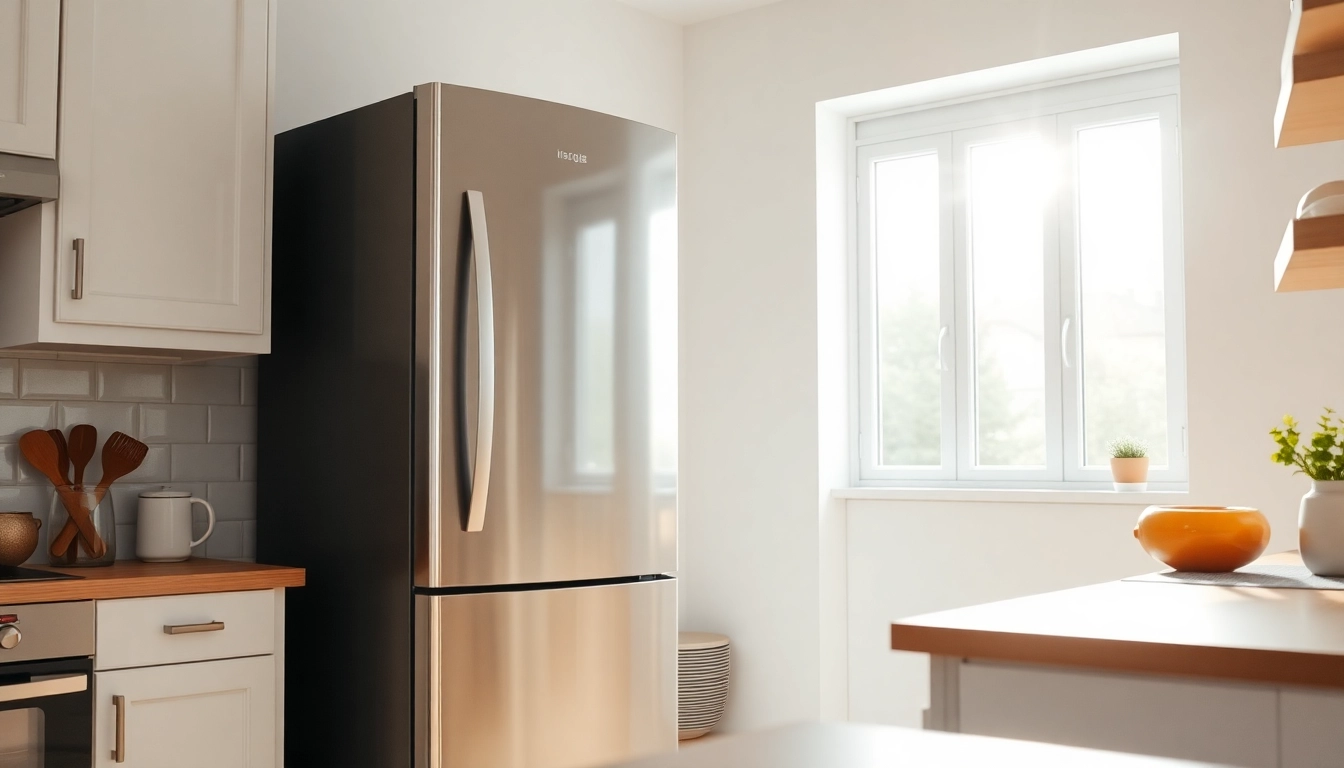
Understanding the Basics of Refrigerator Technology
How Refrigerators Work
At the heart of every Refrigerator lies a remarkably efficient system that regulates temperature and preserves food. These units operate on the principles of thermodynamics, taking advantage of temperature and pressure variations to effectively cool their interiors. The mechanism typically involves several key components: the compressor, condenser, evaporator, and the thermostat, each playing a crucial role in heat exchange and refrigeration cycles. The compressor compresses refrigerant gas, raising its temperature and pressure, while the condenser expels heat, allowing the refrigerant to liquefy. As the refrigerant passes through the evaporator coils, it absorbs heat from the refrigerator's interior, creating a cool environment for food storage.
Types of Refrigerators Available
Today's market offers a diverse range of refrigerator types to meet various needs and preferences. From traditional top-freezer and bottom-freezer models to side-by-side and French door configurations, each design caters to specific lifestyle requirements. Additionally, compact refrigerators are excellent for dorms, offices, or smaller spaces. Specialty refrigerators, including wine and beverage coolers, provide dedicated storage for specific items, marking a shift towards more personalized kitchen appliances. Understanding the distinctions between these varieties is essential for making an informed purchase that aligns with your household’s needs.
Essential Features to Look For
When selecting a refrigerator, several features are essential to ensure functionality and convenience. Adjustable shelves, humidity-controlled drawers, built-in water dispensers, and ice makers increase usability by accommodating various food items and beverages. Additionally, smart technology integration, like Wi-Fi connectivity for remote monitoring and alerts, can significantly enhance your experience. Energy efficiency ratings (for example, ENERGY STAR certification) not only reduce your environmental footprint but also lower your energy bills. Investing in these features can streamline your food storage and preparation tasks, ultimately improving your cooking experience.
Choosing the Right Refrigerator for Your Home
Assessing Space and Size Requirements
Before purchasing a refrigerator, it is crucial to evaluate the available space in your kitchen. Measure the width, height, and depth of the intended installation area to ensure a proper fit, allowing for ventilation and door clearance. Consider how many people you regularly serve and your shopping habits. Houses with larger families may benefit from larger refrigerator capacities, while single households might find compact models sufficient. Also, keep in mind layout considerations, like kitchen workflow and accessibility to ensure the refrigerator complements your cooking experience.
Budget Considerations and Options
Refrigerator prices can vary drastically, influenced by size, features, and brand. Establishing a clear budget before shopping will help narrow down your options appropriately. While more economical models exist, investing a bit more in features such as energy efficiency, advanced cooling systems, and durable components can significantly enhance longevity and performance. Explore various financing options if needed, ensuring you can view the purchase as an investment into a reliable culinary ally.
Energy Efficiency Ratings Explained
Energy efficiency is a vital consideration when purchasing a new refrigerator, as it affects both the environment and your utility bills. Look for models with high ENERGY STAR ratings, which indicates they meet strict efficiency guidelines set by the U.S. Environmental Protection Agency. These units typically use 15% less energy than non-certified models, helping reduce your carbon footprint. Consider the estimated annual energy cost of your selected refrigerator model to make informed decisions about your long-term expenses and environmental impact.
Maintenance Tips for Longevity of Your Refrigerator
Cleaning and Care Best Practices
Regular maintenance is crucial in ensuring the longevity and efficiency of your refrigerator. Start by cleaning the interior and exterior surfaces weekly to prevent the buildup of bacteria and odors. Wipe down shelves and drawers for thorough cleanliness. It’s also important to clean the condenser coils once or twice a year; a dusty coil can significantly reduce cooling efficiency. Lastly, keep the door seals clean and free from debris to maintain airtight closures, essential for energy conservation.
Common Issues and How to Fix Them
Understanding common refrigerator issues can save you time, money, and stress. Frequent challenges include temperature fluctuations, excessive noise, and water leaks. A common cause of improper cooling is a faulty thermostat or a blocked air vent, which can often be resolved with simple fixes, such as adjusting the settings or clearing obstructions. Noisy refrigerators may indicate a malfunctioning compressor or loose components, while leaks can arise from clogged defrost drains or worn door seals. Addressing these issues promptly can prevent more significant complications down the road.
When to Call a Professional
While many refrigerator issues can be managed independently, some problems may require expert intervention. If you notice persistent temperature irregularities despite troubleshooting, or if your refrigerator emits strange noises that you cannot identify, it's best to consult a professional technician. Other signs that warrant a call include frequent cycling on and off, a leaking refrigerant, or electrical issues. Engaging a qualified expert can provide solutions that safeguard your appliance against further damage.
Innovative Refrigerator Technologies Transforming Kitchens
Smart Refrigerators and Their Benefits
In the age of technology, smart refrigerators have emerged as a game-changer in the kitchen. Equipped with Wi-Fi capabilities, these appliances allow users to monitor food inventory, set temperature adjustments remotely, and receive alerts for maintenance needs straight to their smartphones. Features such as built-in cameras enable consumers to see their food stock without opening the door, promoting energy efficiency and reducing waste. Smart technology not only enhances the functional experience but also integrates seamlessly with other smart home systems, creating a cohesive living environment.
Eco-Friendly and Sustainable Choices
As awareness of environmental issues grows, eco-friendly and sustainable refrigerators have gained popularity. These models are designed with materials that reduce carbon footprints and minimize energy consumption. Many now utilize natural refrigerants instead of traditional harmful chemicals, such as hydrofluorocarbons (HFCs). Additionally, manufacturers focus on sustainable production methods and recyclable materials, ensuring that the entire lifecycle of the appliance is environmentally responsible. Choosing these options significantly contributes to a greener planet while enjoying the benefits of modern refrigeration technology.
Future Trends in Refrigerator Design
The refrigerator market is continually evolving, with innovation paving the way for exciting design trends. Minimalist aesthetics are growing in popularity, providing users with contemporary designs that blend seamlessly into kitchen decor. Furthermore, energy-efficient technologies are expected to see advances, complemented by augmented reality features that allow consumers to visualize appliances in their homes before purchase. As the push for sustainability continues, expect to see more refrigerators equipped with innovative designs that prioritize waste reduction, resource management, and smarter operations.
Frequently Asked Questions About Refrigerators
What size refrigerator should I choose?
Your refrigerator's size should depend on your household needs, available kitchen space, and food shopping habits. Standard models vary from 18 to 30 cubic feet. Aim for one cubic foot of space per person. Measure your area for a perfect fit.
How often should I clean my refrigerator?
It's recommended to clean your refrigerator's interior and exterior weekly to prevent odors and bacterial growth. Additionally, check and clean condenser coils every 6-12 months to maintain optimal efficiency.
Can I install my refrigerator myself?
Installing a refrigerator can often be a DIY project, especially if you have basic plumbing skills. However, ensure proper leveling and ventilation. For integrated models, professional installation may be advisable.
What is the typical lifespan of a refrigerator?
The average lifespan of a refrigerator ranges from 10 to 20 years, depending on usage, maintenance, and model type. Proper care can extend its service life significantly.
Are smart refrigerators worth the investment?
Smart refrigerators offer convenience by allowing remote monitoring, inventory management, and energy efficiency features. While often pricier, their benefits can outweigh the costs for many households.