1. Understanding the Basics of a Fly Fishing Kit
1.1 What is a Fly Fishing Kit?
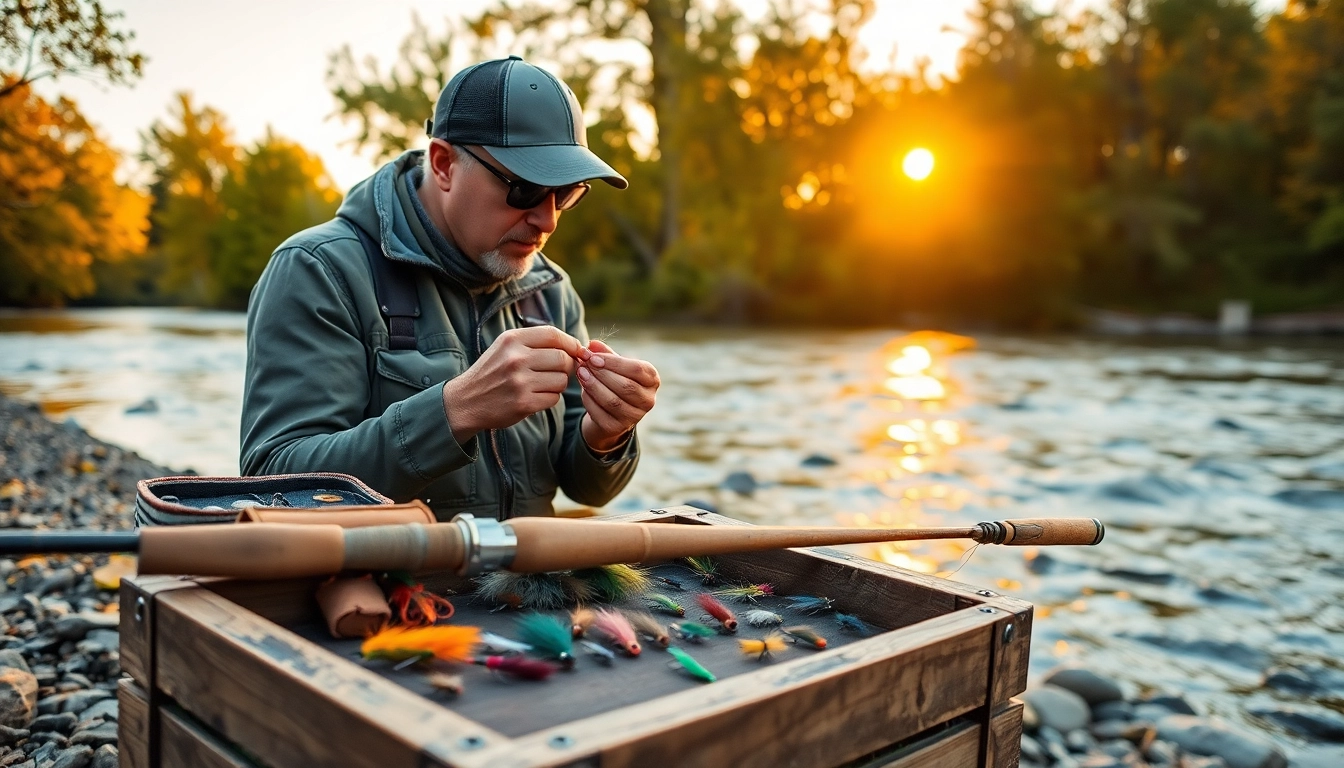
A fly fishing kit is a collection of essential tools and equipment designed for the sport of fly fishing, where anglers use lightweight artificial flies to catch fish. Unlike traditional fishing methods, fly fishing requires specific gear that allows for delicate casting and precise retrieval of flies imitating natural prey. Understanding the components that make up a complete fly fishing kit is pivotal for both beginners and seasoned anglers alike.
1.2 Essential Components of a Fly Fishing Kit
Every fly fishing kit has core components that are indispensable for a successful outing. Here’s a closer look at what makes up a typical fly fishing kit:
- Fly Rod: This is a lightweight rod designed to cast the fly line and presents the fly delicately to the fish.
- Fly Reel: A reel designed to hold the fly line and allows for easy retrieval with a drag system that helps in controlling the fish.
- Fly Line: The specialized line that helps cast the fly further and allows for better control over the fly’s movement in water.
- Leader Line: This is a monofilament line that connects the fly line to the fly, reducing visibility and allowing for a more natural presentation.
- Flies: Artificial flies mimic the appearance of insects or other food sources fish feed on. They can be dry flies, wet flies, streamers, or nymphs.
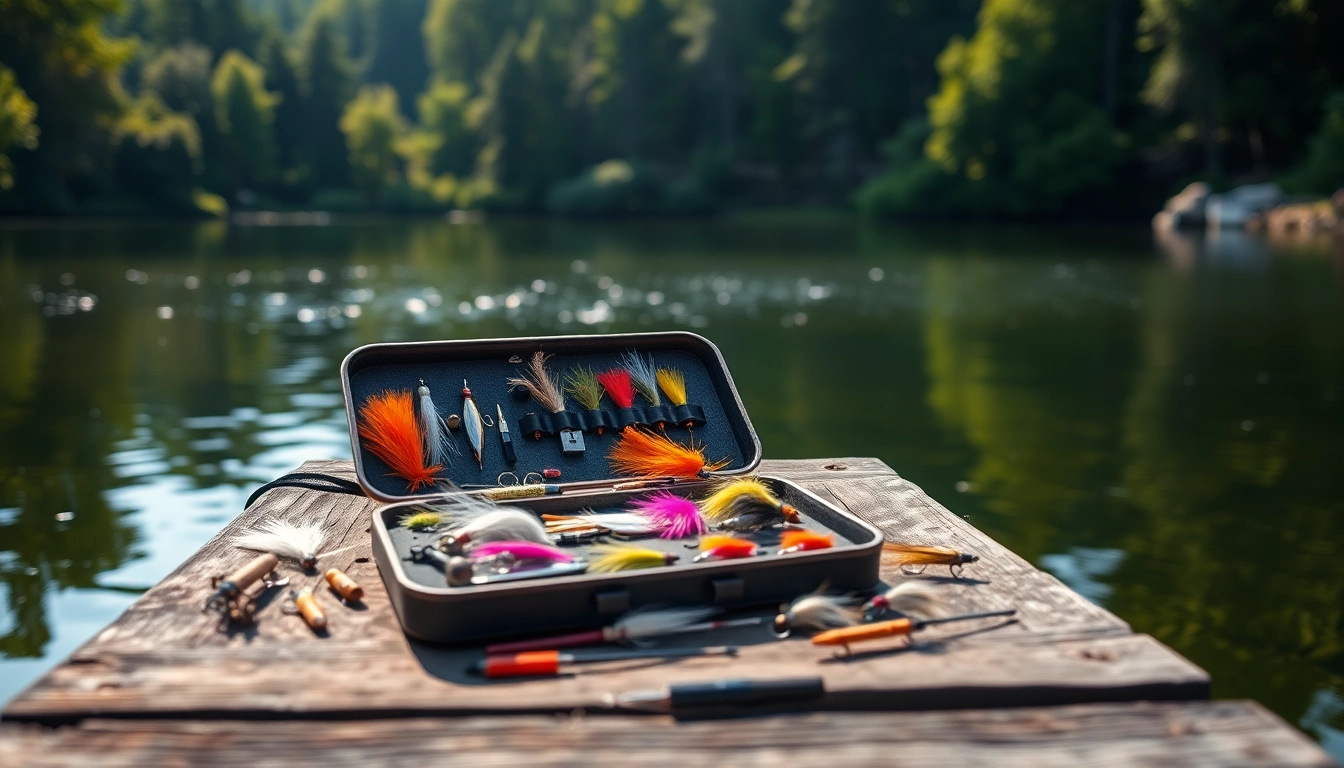
- Accessories: Essentials such as forceps, nippers, a fly box, and a tackle bag for storage.
1.3 Fly Fishing Kit Variations for Different Needs
Not all fly fishing kits are created equal. Depending on factors such as the type of water body (freshwater vs. saltwater), targeted fish species, and the angler's skill level, fly fishing kits can vary significantly. For instance:
- Freshwater Kits: Typically more lightweight and versatile, designed for smaller fish like trout or panfish.
- Saltwater Kits: Heavier action rods and reels built to withstand ocean conditions and targeting larger fish like tarpon or bonefish.
- Kid-Friendly Kits: Simplified versions for children, featuring shorter rods and less complexity to foster engagement.
- Specialty Kits: Tailored options designed for specific fishing styles, such as those focused on bass or pike.
2. Choosing the Right Fly Fishing Kit for Your Adventures
2.1 Considerations When Selecting Your Kit
Selecting the right fly fishing kit involves several crucial considerations to ensure you are equipped for the type of fishing you plan to undertake:
- Experience Level: Beginners may want a more straightforward kit, while seasoned anglers might seek complex gear that allows more precision.
- Target Species: Know the fish you’re after to choose the right type of rod, reel, line, and flies.
- Water Type: Freshwater fishing gear differs from saltwater equipment in durability and design.
- Budget: Set a realistic budget considering both initial purchase and long-term gear upgrades.
2.2 Top Brands and Their Best Fly Fishing Kits
For those on the hunt for a robust fly fishing kit, investing in reputable brands can make a significant difference. Here are some top brands known for their quality:
- Orvis: Renowned for its premium gear, offering a range of kits suited for all experience levels.
- Wild Water: Offers affordable options without compromising quality, perfect for beginners.
- Redington: Known for their stylish and innovative kits, providing excellent performance features.
- Sage: High-end fly rods that are durable and preferred by many professional anglers.
2.3 Comparing Kits: Price vs. Performance
When choosing a fly fishing kit, it’s essential to weigh price against performance. While a higher price may mean better materials and advanced features, there are many budget-friendly options that still perform remarkably. Consider the following:
- Material Quality: Higher-end rods utilize advanced materials providing enhanced sensitivity and durability.
- Customer Reviews: Reading experiences from other anglers can give insights into real-world performance.
- Warranty and Returns: A good warranty indicates a manufacturer’s confidence in their product.
3. Techniques for Effective Use of Your Fly Fishing Kit
3.1 Casting Techniques for Beginners
Fly casting is an art form that requires practice. Beginners should focus on learning proper techniques for optimal casting distance and accuracy:
- The Basic Cast: Start with a simple overhead cast, adding sufficient backcast to allow for a smooth forward motion.
- Roll Cast: This is helpful in tight spaces; it requires no backcasting and generates a loop with minimal effort.
- Double Haul: A technique for increasing line speed, allowing for longer casts, ideal for windy conditions.
3.2 How to Choose the Right Fly for Your Fishing Environment
Selecting the right fly is crucial for enticing fish. Here are factors to consider:
- Water Conditions: In fast-moving water, opt for heavier nymphs; in still waters, dry flies or floating nymphs may be more effective.
- Fish Species: Research the main foods of the target species based on seasonal availability to select your flies accordingly.
- Weather Influences: Sudden temperature changes can affect insect hatches and fish behavior; adjust your fly selection accordingly.
3.3 Troubleshooting Common Challenges in Fly Fishing
Like any skill, fly fishing comes with its challenges. Here are common issues anglers face, along with solutions:
- Line Tangles: Regularly check your line for twists and tangles. Practicing with a smoother casting technique can greatly help.
- Missed Fish: Ensure that the hook is sharp and that you are setting the hook firmly and at the right moment when a fish bites.
- Unresponsive Fish: If you notice that fish are not biting, it may be time to switch flies or adjust the depth at which you are presenting the fly.
4. Maintenance and Care for Your Fly Fishing Kit
4.1 Cleaning and Storing Your Equipment
After a day of fishing, cleaning and storing your gear is vital for longevity. Here are best practices:
- Rinse Equipment: Always rinse your rod and reel with fresh water to remove any salt or dirt, especially after saltwater fishing.
- Dry Properly: Ensure your equipment is completely dry before storing to prevent rust and degradation.
- Organize Flies: Keep flies in a fly box to prevent damage and ensure easy access for future trips.
4.2 Regular Maintenance Tips for Longevity
Proper maintenance can make your fly fishing kit last for years. Here are essential tips:
- Check for Damage: Regularly inspect your rod and reel for signs of wear or damage, and address them promptly.
- Lubricate Reel: Apply a suitable lubricant to reel components as recommended by the manufacturer to ensure smooth operation.
- Replace Worn Lines: Regularly check your fly lines for abrasions or fraying, and replace them if necessary to maintain casting efficiency.
4.3 Preparing Your Kit for Seasonal Changes
As seasons change, so do fishing conditions. Preparing your kit accordingly can enhance your success rate:
- Spring Fishing: Prepare light nymphs and streamers, as fish become active as water temperature rises.
- Summer Fishing: Opt for dry flies primarily and focus on early mornings or late evenings when temperatures are cooler.
- Fall Fishing: Fish become voracious, so use larger, warmer-colored flies to attract their attention.
- Winter Fishing: Employ weighted nymphs and slower retrieves, as fish behavior changes drastically in colder water.
5. Advancing Your Skills with Your Fly Fishing Kit
5.1 Joining Fly Fishing Communities and Resources
Immersing yourself in the fly fishing community can significantly enhance your skills:
- Local Clubs: Join clubs in your area to connect with other anglers and share experiences, tips, and best practices.
- Online Forums: Participate in online communities like Reddit or dedicated fly fishing forums for a wealth of information.
- Social Media Groups: Follow fly fishing pages on platforms like Facebook and Instagram that offer tutorials and inspiration.
5.2 Learning from Experts: Workshops and Online Courses
Many experts offer workshops and courses that can accelerate your learning curve:
- In-Person Workshops: Look for local fishing shops or sports clubs offering hands-on workshops on casting or fly-tying.
- Online Learning: Platforms like Udemy or specialized fishing websites offer courses covering many aspects of fly fishing.
- YouTube Tutorials: Utilize video tutorials for visual learners, which often cover everything from basic techniques to complex strategies.
5.3 Sharing Your Fly Fishing Experiences and Gear Reviews
Engaging with the community not only benefits your learning but also allows you to contribute. Consider these avenues to share:
- Blogging: Start a blog documenting your fishing trips, gear reviews, or techniques learned along the way.
- Social Media: Use platforms like Instagram to share images and stories of your excursions, creating an interactive experience with followers.
- Join Review Platforms: Contribute reviews for your equipment on dedicated platforms to help fellow anglers make informed purchases.