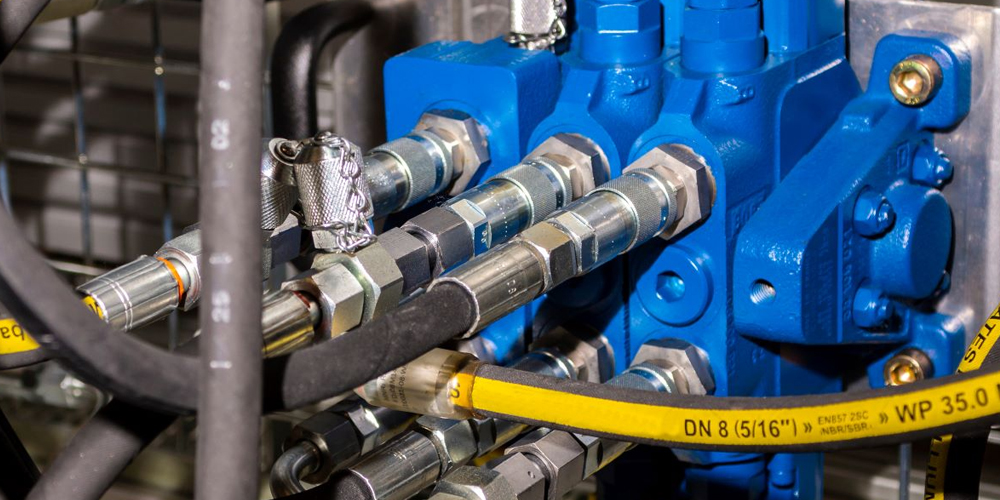
Understanding On-Site Hydraulic Repair
Definition of On-Site Hydraulic Repair
On-site hydraulic repair refers to the process of diagnosing and fixing hydraulic systems at the location where they are used, rather than transporting the equipment to a workshop. This method is particularly beneficial for industries where machinery downtime can lead to significant productivity losses. By performing on-site hydraulic repair, technicians can quickly address issues, ensuring that operations continue running smoothly.
Importance of On-Site Services
The significance of on-site hydraulic repair cannot be overstated. Equipment failure in hydraulic systems can result in halted production lines, compromised safety, and financial strain. Rapid response is critical in minimizing downtime. On-site services eliminate the need for complicated logistics involved in transporting heavy machinery, reducing operational losses. Additionally, it enhances customer satisfaction as service providers can address issues promptly, fostering a strong service relationship.
Common Applications in Industry
On-site hydraulic repair is utilized across various sectors, including construction, agriculture, manufacturing, and oil and gas. In construction, for instance, heavy machinery such as excavators and bulldozers rely heavily on hydraulic systems, where timely repairs are crucial. Similarly, in agriculture, hydraulic systems in tractors are essential for operational efficiency. Each application demands specialized knowledge to effectively diagnose issues and perform repairs, showcasing the necessity of skilled technicians in the field.
Essential Tools for On-Site Hydraulic Repair
Basic Hand Tools Required
A comprehensive toolkit is essential for efficient on-site hydraulic repair. Basic hand tools typically include wrenches, pliers, sockets, screwdrivers, and hammers. Additionally, hydraulic-specific tools such as hose crimpers and flare nut wrenches are invaluable for making precise repairs. Having these tools readily available allows technicians to make adjustments and conduct repairs swiftly, enhancing overall service efficiency.
Advanced Equipment for Efficiency
Aside from basic tools, technicians often utilize advanced equipment to streamline on-site repairs. Pressure gauges, flow meters, and ultrasonic leak detectors are vital for diagnosing problems accurately. Portable hydraulic pumps can also be essential for testing systems before and after repairs, ensuring functionality. The integration of such high-tech devices not only speeds up the repair process but also minimizes the risk of recurring issues by ensuring thorough diagnostics.
Safety Gear for Technicians
Safety cannot be overlooked during any repair operation. Technicians must wear personal protective equipment (PPE) such as gloves, goggles, and helmets, especially when operating heavy machinery or handling hydraulic fluids. Hydraulics can be dangerous due to high pressure, so protective gear is critical in safeguarding workers from spills, splatter, or mechanical failures. Adhering to safety protocols not only protects employees but also enhances service reliability and efficiency.
Procedures for On-Site Hydraulic Repair
Initial Assessment and Diagnosis
The first step in on-site hydraulic repair is a thorough assessment of the equipment. Technicians must identify the symptoms, examine the hydraulic system, and utilize diagnostic tools to diagnose issues accurately. This initial assessment is crucial, as it lays the groundwork for effective repair. Gathering detailed information about the hydraulic system’s operational history can further assist in a focused approach to resolving issues.
Step-by-Step Repair Process
Once the diagnosis is complete, a systematic step-by-step repair process should follow. This typically involves isolating the faulty components, draining fluids if necessary, and replacing or repairing damaged parts, such as hoses, cylinders, or pumps. Technicians should adhere to established repair protocols to ensure the integrity of the hydraulic system is maintained. Each step should be documented, providing a comprehensive record of the service performed which can be valuable for future reference.
Testing and Quality Assurance
After completing repairs, rigorous testing is essential to guarantee that the hydraulic system operates correctly. This involves running the equipment under functional conditions while monitoring for leaks or abnormal performance. Quality assurance checks serve two primary purposes: ensuring the repair was effective and re-establishing safety for the equipment operators. By documenting the testing phase, technicians enhance accountability and provide valuable information to equipment owners.
Challenges Faced During On-Site Hydraulic Repair
Common Issues Technicians Encounter
Technicians face a myriad of challenges during on-site hydraulic repair, ranging from accessibility issues to complex system diagnoses. Often, equipment is located in challenging terrains or tight spaces, making repairs physically challenging. Additionally, ambiguous symptoms can lead to misdiagnosis, extending repair time and increasing operational costs. Continuous professional development helps technicians stay adept at overcoming these hurdles effectively.
Environmental Factors to Consider
Environmental conditions play a significant role in the performance of hydraulic systems and the repair processes. Factors such as temperature, humidity, and potential contaminants can affect both the equipment's functionality and the safety of on-site repairs. Technicians must assess these factors before commencing work, taking necessary precautions to mitigate risks and ensuring quality repairs are carried out effectively.
Time Management Tips
Time management is critical in maximizing the effectiveness of on-site hydraulic repair. Technicians should prioritize repairs methodically and establish realistic timelines based on equipment complexity and available resources. Utilizing advanced diagnostic tools and maintaining an organized workspace can help streamline the process. Additionally, continuous communication with clients about expected timeframes fosters transparency and strengthens customer relationships.
Future Trends in Hydraulic Repair Services
Innovative Technologies in Use
The future of hydraulic repair services is leaning toward automation and smart technologies. The implementation of IoT (Internet of Things) devices can facilitate remote diagnostics, enabling technicians to detect and address issues even before arriving on-site. Furthermore, machine learning algorithms can enhance predictive maintenance strategies, reducing unexpected failures and associated repair costs. This evolution signifies a shift toward more proactive and efficient service delivery models.
Anticipating Industry Changes
As industries evolve, the demands on hydraulic systems are likely to change, requiring adaptive maintenance strategies. Technicians must stay abreast of emerging technologies, such as alternative energy sources and advanced materials, to remain relevant in their field. Understanding these trends allows service providers to adjust their methodologies and maintain competitiveness, ensuring they meet the future needs of their clients effectively.
Importance of Training and Skill Development
Ongoing training and skill development are essential for technicians in the hydraulic repair industry. With advancements in technology and changing industry standards, technicians must continuously enhance their knowledge and skills. Workshops, online courses, and certifications can equip technicians with the latest tools and techniques necessary for efficient on-site hydraulic repair. Investing in workforce development ultimately benefits service providers by ensuring high-quality service delivery.
Frequently Asked Questions
What constitutes on-site hydraulic repair?
On-site hydraulic repair involves diagnosing and fixing hydraulic systems directly at their operating location, minimizing downtime and transportation issues.
Why is on-site hydraulic repair beneficial?
This approach reduces machinery downtime, eliminates transport logistics, and enhances customer satisfaction by providing rapid service.
What tools are commonly used for on-site hydraulic repair?
Basic hand tools, advanced diagnostic equipment, and safety gear are essential for effective on-site hydraulic repairs.
How is quality assurance maintained in hydraulic repairs?
Quality assurance involves rigorous testing post-repair to ensure the hydraulic system operates correctly and is safe for use.
What training is necessary for hydraulic repair technicians?
Technicians require ongoing training in hydraulic systems, safety protocols, and emerging technologies to maintain high standards in repairs.