
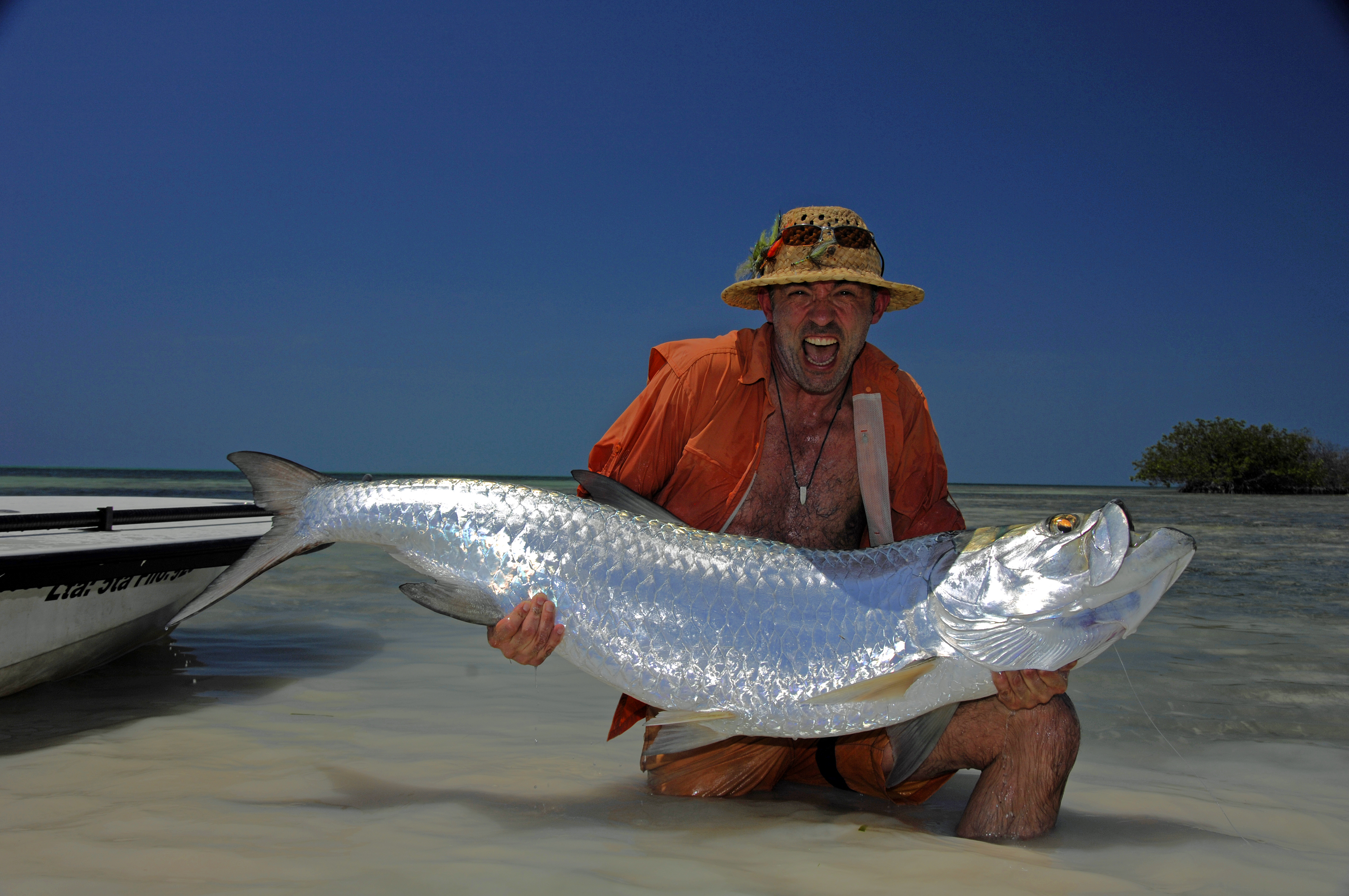
Fly fishing is more than just a hobby—it’s a passion that requires the right equipment to make every outing enjoyable and successful. One of the most critical decisions for any angler, whether beginner or experienced, is selecting the right fly fishing combo. A fly fishing combo refers to a matched rod and reel set that works harmoniously to deliver the best casting experience, improve accuracy, and enhance overall fishing performance. In this guide, we’ll explore everything you need to know to choose the best fly fishing combo for your needs.
Understanding Fly Fishing Combos
Before diving into the selection process, it’s essential to understand what a fly fishing combo entails. Typically, a combo includes a rod, a reel, and sometimes a pre-loaded line, all matched for balance and performance. Using a properly matched combo ensures smoother casts, better control of your line, and improved efficiency when fighting fish. Many anglers prefer combos because they take the guesswork out of pairing rods and reels and often come at a more affordable price than purchasing items separately.
Determine Your Fishing Style
Your fishing style plays a significant role in choosing a fly fishing combo. Are you primarily fishing in small streams, rivers, or large lakes? Different environments require different rod lengths, line weights, and reel capacities. For example, a shorter rod in the 7- to 8-foot range is ideal for tight stream fishing, while a 9-foot rod is better suited for larger rivers and lakes. Knowing your preferred fishing environment helps narrow down which fly fishing combo will meet your specific needs.
Rod Weight and Length
When selecting a fly fishing combo, rod weight and length are critical factors. Rod weight is measured in "wt," which corresponds to the line weight it is designed to cast efficiently. A 5-weight rod is versatile and excellent for most freshwater fishing, while heavier rods, such as a 7-weight or 8-weight, are better suited for larger fish or windy conditions. Length also affects casting distance and control. Shorter rods are easier to maneuver in tight spaces, whereas longer rods allow longer casts and more line control. Always check that your chosen fly fishing combo matches the rod weight with the line provided to ensure optimal performance.
Reel Selection
A key component of any fly fishing combo is the reel. While many combos come with a matched reel, it’s important to understand its role. The reel should have smooth drag, sufficient line capacity, and durability to handle the type of fish you target. Beginners may find a simple, lightweight reel sufficient, whereas advanced anglers targeting larger species may require a more robust reel with higher drag settings. Ensuring your reel and rod are well-matched in your fly fishing combo will significantly impact your overall fishing experience.
Line and Backing Considerations
Line selection is another critical aspect of a fly fishing combo. Most combos come with a pre-loaded line that matches the rod weight, which is perfect for beginners. However, experienced anglers may prefer to upgrade to specialized lines for specific conditions, such as floating lines for surface fishing or sinking lines for deeper waters. Additionally, the backing line should be compatible with your reel’s capacity. When properly matched, the line enhances casting distance, accuracy, and the ability to fight fish effectively, making it an essential feature of a quality fly fishing combo.
Budget and Brand Choices
Choosing a fly fishing combo also depends on your budget. Combos are available in a wide range of prices, from affordable beginner sets to premium models for seasoned anglers. While it can be tempting to purchase a cheaper combo, investing in a well-built rod and reel ensures durability, better performance, and a more enjoyable fishing experience. Established brands often provide quality construction and reliable warranties, making them worth considering when selecting your next fly fishing combo.
Tips for Testing Your Combo
Before finalizing your purchase, testing your fly fishing combo is highly recommended. Many local tackle shops allow casting in-store or in nearby ponds to get a feel for the rod and reel’s balance, weight, and comfort. Pay attention to how the combo handles during casting, how smoothly the reel operates, and whether the line flows effortlessly. Testing ensures your fly fishing combo meets your expectations and suits your fishing style.
Maintenance for Longevity
Proper maintenance is essential for keeping your fly fishing combo in excellent condition. Rinse your reel and rod after each use, especially when fishing in saltwater. Regularly check for loose screws, damaged guides, or frayed lines. Lubricating moving parts and storing your combo in a protective case will prolong its life and ensure it performs optimally during every fishing trip.
Choosing the best fly fishing combo can feel overwhelming given the many options available, but by understanding your fishing style, rod and reel specifications, line requirements, and budget considerations, you can select a combo that enhances your angling experience. Remember to test your combo before purchasing and maintain it properly to enjoy years of successful fishing adventures. A well-chosen fly fishing combo not only makes casting easier but also increases your chances of landing more fish, making every outing more enjoyable and rewarding.