Understanding Ndfeb Magnets
What are Ndfeb Magnets?
Ndfeb magnets, short for Neodymium Iron Boron magnets, are among the most powerful types of permanent magnets available today. They belong to a group of materials known as rare earth magnets, which are known for their exceptional magnetic strength and resistance to demagnetization. Composed primarily of neodymium (Nd), iron (Fe), and boron (B), these magnets are widely used in various applications, from consumer electronics to industrial machinery.
Applications of Ndfeb Magnets
The applications of Ndfeb magnets are vast and varied. They are commonly used in:
- Electronics: Small Ndfeb magnets are integral in headphones, hard drives, and compact speakers.
- Automotive: These magnets are used for electric motors, sensors, and safety systems in vehicles.
- Industrial Robotics: Ndfeb magnets enhance the performance of robotic arms and automation systems.
- Renewable Energy: Wind turbines utilize Ndfeb magnets for efficient energy conversion.
- Healthcare: MRI machines benefit from strong magnetic fields generated by Ndfeb magnets.
Advantages of Ndfeb Magnets
Ndfeb magnets offer several advantages over other types of magnets:
- High Magnetic Strength: They generate a strong magnetic field relative to their size, making them ideal for space-constrained applications.
- Corrosion Resistance: When coated with materials like nickel or epoxy, they resist corrosion effectively.
- Versatility: Applicable in a wide range of industries and products, enhancing their usability.
The Manufacturing Process
Materials Used in Ndfeb Magnet Production
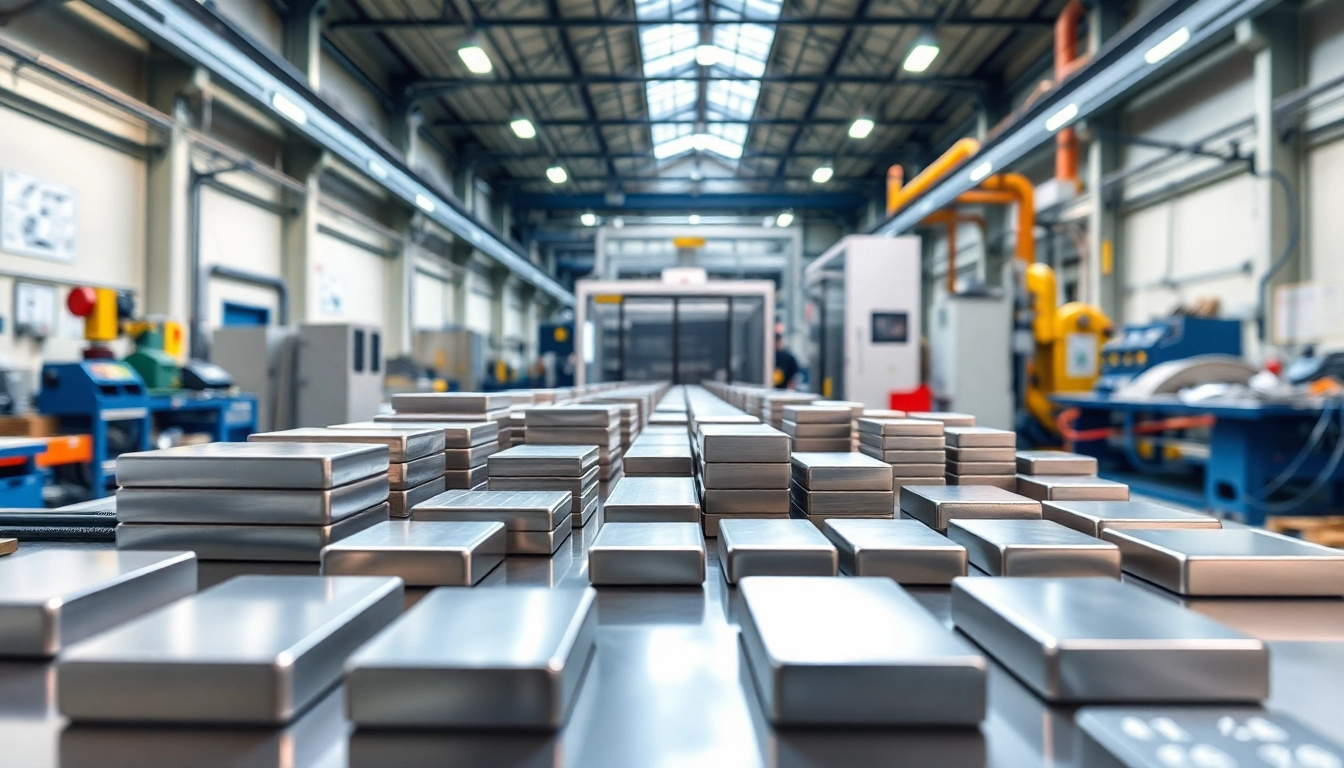
The production of Ndfeb magnets requires high-quality raw materials. Besides neodymium, iron, and boron, sometimes other elements like dysprosium or terbium are added to improve heat resistance and coercivity. These materials are sourced consistently around the globe, making quality control within the supply chain crucial.
Quality Control Measures in Manufacturing
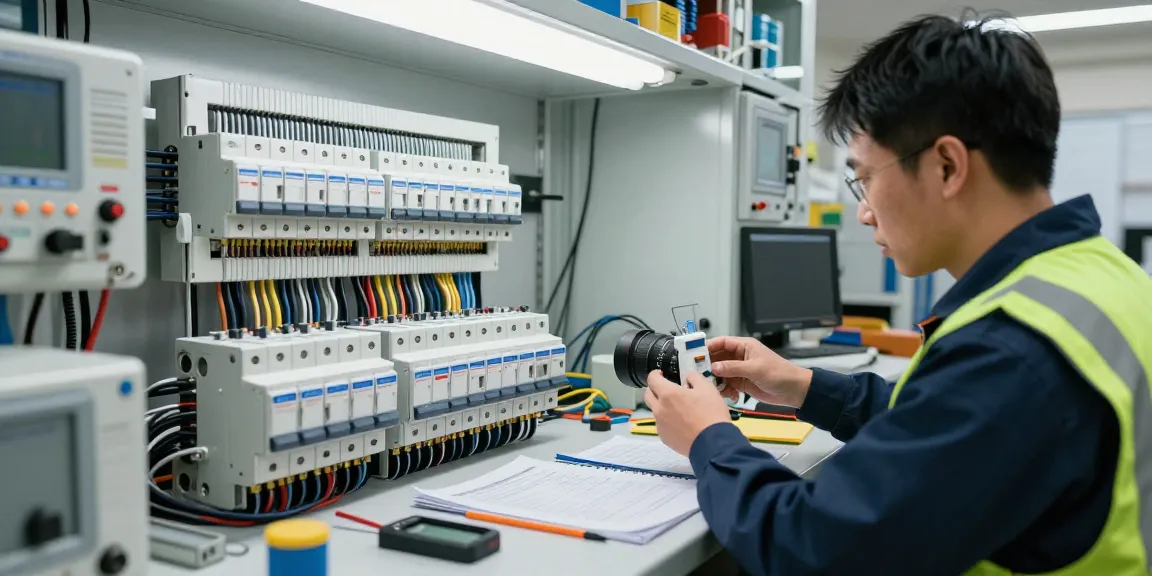
Quality control is paramount in the production of Ndfeb magnets. Manufacturers typically implement multiple testing stages:
- Raw Material Testing: Before production begins, raw materials are subjected to thorough testing for purity levels.
- Production Monitoring: During manufacturing, continuous monitoring ensures that process parameters remain within desired limits.
- Final Product Testing: Finished magnets undergo quality checks, including magnetic performance assessments and dimensional accuracy verification.
Innovations in Production Techniques
The manufacturing of Ndfeb magnets has evolved significantly over the years. Innovations such as:
- Advanced Sintering Techniques: Improved sintering methods enhance density and magnetic properties.
- 3D Printing Technology: This new approach allows for more intricate designs and magnet configurations, broadening the scope of applications.
Choosing the Right Ndfeb Magnets Manufacturer
Key Factors to Consider
When selecting an Ndfeb magnets manufacturer, several key factors should guide the decision-making process:
- Production Capacity: A manufacturer with adequate capacity can better meet high-volume orders.
- Customization Capabilities: It's vital to ensure the manufacturer can deliver custom specifications as per specific needs.
- Geographic Proximity: Choosing a manufacturer located closer to your operations can help reduce shipping times and costs.
Evaluating Manufacturer Reputation
Assessing the reputation of a potential manufacturer is critical. This can be done through:
- Client Testimonials: Reviewing feedback from previous customers can provide insights into reliability and quality.
- Industry Certifications: Manufacturers with certifications can demonstrate adherence to industry standards, enhancing trust.
Cost vs. Quality Analysis
Understanding the relationship between cost and quality is essential when choosing an Ndfeb magnets manufacturer. While cheaper options may seem appealing, they may compromise the quality of the magnets. A balanced consideration involving:
- Total Cost of Ownership: Evaluate lifetime costs, including efficiency and durability, not just the initial purchase price.
- Long-Term Relationships: Consider the potential for long-term partnerships that may lead to better pricing and collaboration opportunities.
Sustainability in Magnet Manufacturing
Environmental Impact of Magnet Production
The production of Ndfeb magnets does exert an environmental impact, particularly concerning resource extraction and processing. Adopting sustainable practices can mitigate these concerns:
- Resource Management: Efficient use of rare metals can limit environmental damage.
- Responsible Sourcing: Ensuring materials come from sustainable sources can help reduce ecological footprints.
Recycling and Reusing Magnet Materials
Given the importance and expense of rare earth materials, recycling is an essential aspect of sustainability in magnet manufacturing. Programs for recycling can:
- Reduce Waste: Recycling spent equipment minimizes environmental waste.
- Supply Chain Resilience: Utilizing recycled materials can ease dependence on new materials, stabilizing supply chains.
Efforts for Sustainable Practices
Many manufacturers are now prioritizing sustainability. This includes initiatives like:
- Energy-Efficient Processes: Investments in greener technologies can lower energy consumption.
- Life Cycle Assessments: Companies are increasingly conducting assessments to understand and improve the environmental impact of their products throughout their life cycles.
Future Trends for Ndfeb Magnets
Technological Advancements on the Horizon
Technological advancements will continue to drive innovation within the Ndfeb magnet industry. Trends likely to shape the future include:
- Smart Magnet Technologies: Integrations with IoT devices could lead to the creation of smart magnets that enhance performance through data feedback.
- Enhanced Magnetic Materials: Research into new compositions can lead to magnets with improved properties such as heat resistance and strength.
Market Demand and Growth Projections
The demand for Ndfeb magnets is predicted to grow, responding to several factors such as:
- Technological Advancements: The rising need for efficient electronic appliances and electric vehicles is fueling market demand.
- Increasing Energy Needs: Renewables and energy-efficient technologies that depend on magnetic systems are becoming more prevalent.
Pioneering Innovations in Applications
As industries evolve, so will the applications of Ndfeb magnets. Notable innovations on the horizon may include:
- Medical Devices: New applications in medical devices could revolutionize patient care.
- Transportation: The use of Ndfeb magnets in transportation systems, notably in maglev trains, is expected to expand significantly.
In conclusion, investigating the world of Ndfeb magnets reveals their exceptional potential across various applications. With ongoing innovations in manufacturing processes and a focus on sustainability, selecting an efficient Ndfeb magnets manufacturer in china becomes key to tapping into these advantages and navigating future demands in the magnet industry.