Understanding Mini Freezer Basics
What is a Mini Freezer?
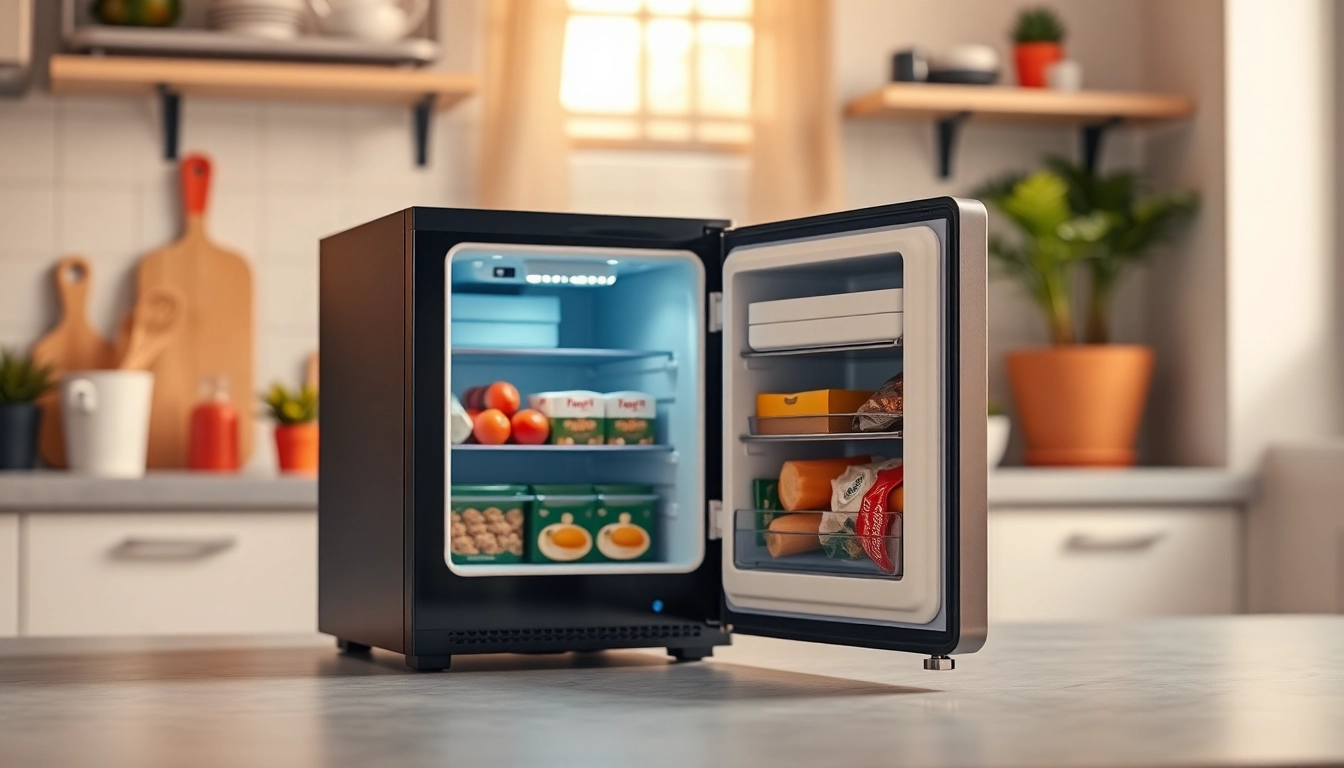
A mini freezer is a compact refrigeration unit designed to store frozen foods, providing serious storage solutions in a minimal footprint. These appliances are typically smaller than standard freezers, making them an ideal option for small apartments, dorm rooms, garages, or offices. Ranging from 1.1 to 5.0 cubic feet in size, a mini freezer can help you manage your frozen goods efficiently. They come in various styles such as upright or chest models, each offering unique benefits and considerations for different users. The convenience of a mini freezer allows individuals to buy groceries in bulk, minimizing waste and reducing shopping frequency.
How Mini Freezer Works
The operation of a mini freezer is grounded on principles similar to full-sized freezers. They utilize a refrigeration cycle comprised of evaporation and condensation to maintain low temperatures. Inside the unit, a refrigerant, a chemical substance with low boiling point, absorbs heat from the internal compartment as it evaporates. This process occurs in the evaporator coils. The vaporized refrigerant then travels to the compressor, where it is pressurized and circulated to the condenser coils. Here, it releases the absorbed heat into the environment and transforms back into a liquid, ready to start the cycle again. The thermostat helps regulate the internal temperature, ensuring an even freeze regardless of external conditions.
Benefits of Using a Mini Freezer
Mini freezers offer numerous benefits, particularly for those with limited space. They provide additional storage that can be crucial during peak food seasons or when bulk buying. Additionally, they are energy-efficient, consuming less electricity compared to full-size counterparts, which can lead to cost savings. Mini freezers also contribute to better food preservation, maintaining food quality for extended periods. The portability of many mini freezers means they can be easily moved, allowing for flexible usage in various locations, especially in settings like workshops or outdoor activities where traditional refrigeration is unavailable.
Selecting the Right Mini Freezer for Your Needs
Types of Mini Freezers: Chest vs. Upright
Mini freezers generally fall into two main types: chest and upright. Chest freezers are wider and shorter, providing ample storage capacity while requiring more floor space. They excel in energy efficiency and maintain better temperature stability because cold air stays trapped inside when the lid is opened. Upright freezers, on the other hand, are more vertical, making them suitable for narrower spaces. They usually feature shelving that allows for organized storage. Each type has its advantages and disadvantages, and the choice can depend on the user’s specific needs, layout of space, and storage habits.
Important Features to Consider
When selecting a mini freezer, evaluate the following features:
- Temperature Control: Look for adjustable temperature settings to cater to various storage needs.
- Energy Efficiency Rating: Seek units with good energy star ratings to minimize operating costs.
- Defrosting Mechanism: Decide between manual and automatic defrosting functions. Automatic defrosting is more convenient but may come at a higher cost.
- Storage Configuration: Consider whether shelves or bins are present to optimize space and facilitate organization.
- Safety Features: Some models include features like child locks and alerts for temperature fluctuations.
Optimal Dimensions and Capacity
The right capacity for a mini freezer typically adheres to household size and storage needs. For example, a mini freezer with a capacity of 2-3 cubic feet is perfect for individuals or couples, while larger households may benefit from a 4-cubic-foot option or more. Measure your space carefully to ensure that the freezer fits well within your intended location, considering space for opening doors and airflow around the unit, which can enhance its efficiency and longevity.
Placement and Installation Tips
Best Locations for Your Mini Freezer
Choosing the right location for your mini freezer is essential for its performance and longevity. Ideal locations include kitchens, garages, or basements. Ensure that the chosen area is dry and well-ventilated, as moisture can hinder performance and lead to rusting. Avoid placing your freezer in areas that are too hot, which can force the unit to work harder, leading to increased energy usage and potential malfunction. Lastly, consider accessibility for loading and unloading frozen items, which can enhance efficiency in your daily routines.
Power Requirements and Outlet Specifications
Every mini freezer requires a standard electrical outlet, typically a grounded 110-120V power supply. Be mindful of the amp ratings detailed in the product manual; using a dedicated circuit can prevent overloads, particularly for larger units. It’s also crucial to inspect the power cord for damage during installation, ensuring that it is not pinched or exposed.
Ventilation and Space Considerations
Proper ventilation is key for mini freezer performance. Ensure at least a few inches of clearance on all sides to allow for heat exchange, which is essential for the refrigeration cycle. To facilitate this, avoid placing the freezer against walls or in corners where airflow is restricted. Invest in a small fan if necessary, especially in tight spaces, to help disperse heat effectively.
Maintaining Your Mini Freezer
Effective Cleaning Strategies
Regular cleaning is vital for maintaining optimal performance of your mini freezer. Start by unplugging the unit and allowing any ice buildup to melt; this can be expedited by placing towels underneath to soak up the water. Clean the interior surfaces with warm soapy water, avoiding harsh chemicals that might damage components. Regularly wipe down the exterior with a damp cloth, ensuring that vents are free from dust or obstructions, which can impede airflow and efficiency.
Troubleshooting Common Issues
Common issues with mini freezers can include excessive frost buildup, inconsistent temperatures, or unusual noises. If frost accumulates, consider evaluating the door seal for gaps or damage and ensure it closes properly. For temperature irregularities, check the temperature settings and ensure the freezer is not overpacked, which can restrict air circulation. Unusual sounds may indicate a malfunctioning compressor; if the issue persists, consultation with a technician may be necessary.
Extending the Lifespan of Your Mini Freezer
To extend the lifespan of your mini freezer, perform regular checks on the door gaskets, clean the condenser coils periodically, and keep the appliance at the recommended temperature (0°F or lower). Avoid placing hot foods directly in the freezer, as cooling large items can strain the compressor. Additionally, ensure that the unit maintains proper ventilation and remains level to enhance its operational stability.
Top FAQs About Mini Freezers
Do Mini Freezers Require Special Maintenance?
While mini freezers don't need extensive maintenance, regular cleaning and checking seals for effectiveness are essential for optimal performance. Ensure that coils are clean to promote energy efficiency.
How Much Electricity Does a Mini Freezer Use?
Mini freezers generally consume between 100-400 kWh per year. The exact usage depends on their size, efficiency rating, and frequency of door opening. Energy-efficient models can reduce costs significantly.
Can You Store Any Food in a Mini Freezer?
Min freezers are ideal for various foods such as meats, vegetables, and pre-cooked meals. However, items like dairy may require careful consideration as some can alter or lose texture when frozen.
What are Ideal Temperatures for Mini Freezers?
The optimal temperature for a mini freezer is 0°F (-18°C) to ensure that food remains frozen and safe. Regularly check settings to avoid accidental temperature fluctuations.
Are Mini Freezers Noisy?
Most mini freezers operate quietly; however, some models may emit sounds like humming during operation or clicking when the compressor cycles. As long as these noises are consistent, they're normal.