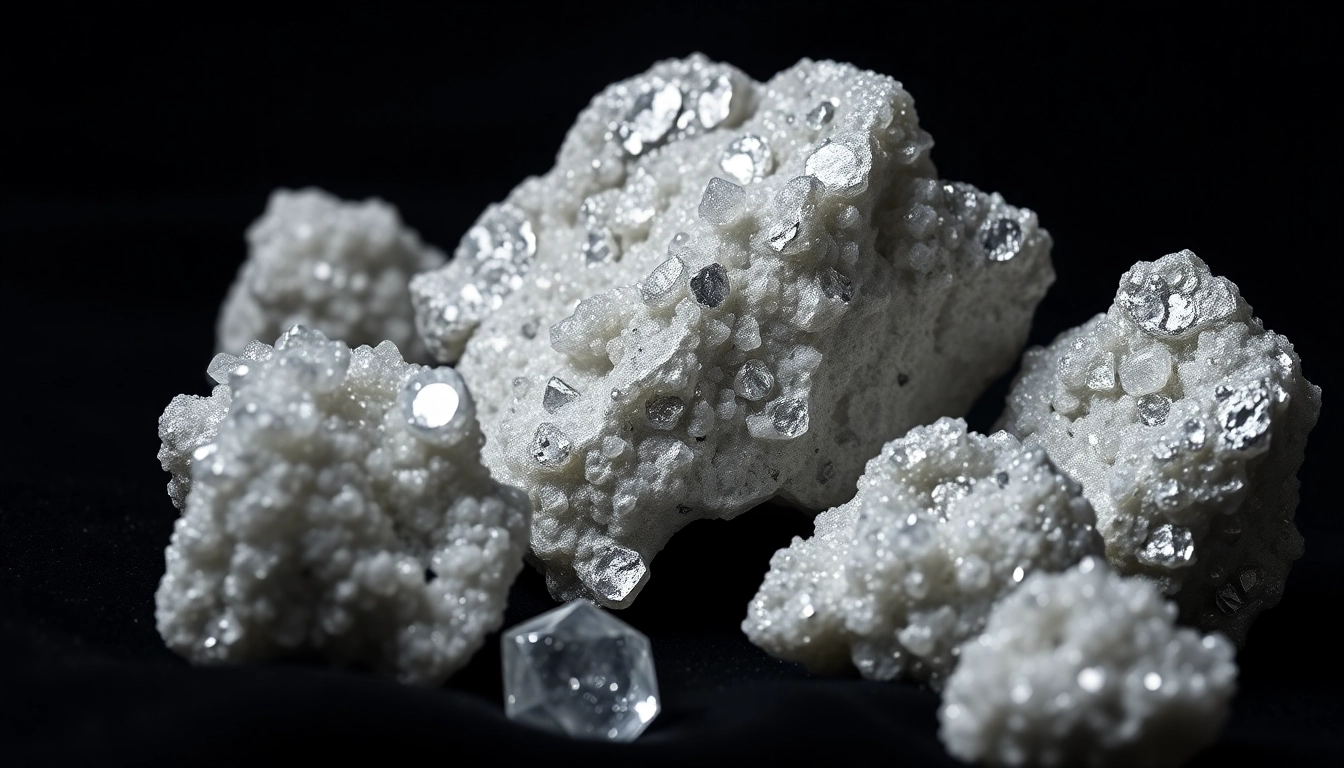
Introduction to Minerals Rhodium
Rhodium, a member of the platinum group metals, exhibits unique properties that make it one of the rarest and most valuable elements found in nature. This minerals rhodium article explores its characteristics, mineralogical occurrences, various applications, and market dynamics.
What is Rhodium? Overview and Characteristics
Rhodium is a lustrous, hard, silvery-white metal with the chemical symbol Rh and atomic number 45. It is renowned for its exceptional corrosion resistance and stability, only reacting to hot alkalis. Originating from the Greek word for "rose," rhodium was discovered in 1803 by William Hyde Wollaston, who extracted it from platinum ores. Its unique properties, such as a high melting point and reflective surface, contribute to its various industrial applications.
Origin and Discovery of Rhodium
The discovery of rhodium represents a significant milestone in the study of platinum group metals. William Hyde Wollaston first isolated rhodium while identifying platinum ores from South America and remained instrumental in the advancement of materials chemistry. By utilizing a combination of chemical processes, he could extract pure rhodium and study its properties, paving the way for advancements in various applications.
Rhodium Properties and Benefits
Rhodium possesses several physical and chemical properties that set it apart from other metals. It is notable for its very high melting point of around 1,964 °C (3,567 °F) and extreme resistance to corrosion and oxidation, making it suitable for high-temperature and reactive environments. Additionally, due to its high reflectivity, rhodium is used in coatings for jewelry and mirrors, providing enhanced aesthetic and functional benefits.
The Mineralogy of Rhodium
Common Minerals Containing Rhodium
Rhodium is typically found in nature within certain mineral matrices. Notable minerals that contain rhodium include cuprorhodsite, cherepanovite, polkanovite, and miassite. These minerals often exist alongside other platinum group metals, making rhodium’s extraction both complex and fascinating.
Geological Occurrences of Rhodium
Globally, significant deposits of rhodium are found predominantly in South Africa, specifically in the Bushveld Igneous Complex, where it coexists with platinum and palladium. Other notable locations include Russia and the United States. Due to its scarcity, rhodium is mined as a by-product of platinum and nickel refining processes.
Extraction and Processing of Rhodium Minerals
The process of extracting rhodium from its ores involves several steps. Initially, ores are subject to crushing and grinding, followed by concentration methods like flotation. Once concentrated, the ores undergo hydrometallurgical methods, where chemicals separate rhodium from other metals. The final step typically utilizes refining techniques such as the Miller process or cupellation to yield pure rhodium. These elaborate steps highlight the complexity and cost associated with rhodium production.
Applications of Minerals Rhodium
Rhodium in Catalytic Converters
One of the most significant applications of rhodium is in catalytic converters for automotive vehicles. In this role, rhodium facilitates the conversion of harmful gases such as nitrogen oxides into less harmful emissions, thus playing a crucial role in environmental conservation. The demand for rhodium's catalytic properties has surged alongside the increasing focus on environmentally friendly technologies.
Uses in Jewelry and Decorative Items
Rhodium is widely used to provide a reflective surface and increase the durability of white gold and silver jewelry. The electroplating of rhodium enhances the aesthetic appeal while offering superior scratch and tarnish resistance. As a result, rhodium-plated jewelry remains popular among consumers seeking both beauty and longevity in their accessories.
Innovative Applications in Technology
Emerging technologies also leverage rhodium's unique properties. For instance, rhodium has found applications in electronics, specifically in contacts and connectors due to its excellent conductivity and resistance to corrosion. It is also used in photography, glass manufacturing, and even in specialized medical applications where its biocompatibility proves beneficial.
Current Market Trends and Prices for Minerals Rhodium
Factors Influencing the Price of Rhodium
The price of rhodium is highly volatile and influenced by several factors, including supply shortages, increasing demand in the automotive sector, and market speculation. As a rare metal, fluctuations in production from South Africa or geopolitical issues can lead to significant price changes.
Investment Opportunities in Rhodium
Investors have increasingly turned their attention to rhodium as a potential asset class, especially given its unique market dynamics. The rise in electric vehicle production poses a potential long-term impact on rhodium demand. Understanding rhodium's historical performance can guide investment decisions and strategic asset allocations.
Future Outlook for Rhodium Trading
Looking ahead, experts project a complex future for rhodium, influenced by technological advancements, environmental regulations, and the automotive market’s shift toward greener technologies. By assessing current trends, stakeholders can better position themselves to take advantage of emerging opportunities within the rhodium market.
FAQs About Minerals Rhodium
What are the main minerals that contain rhodium?
Key minerals containing rhodium include cuprorhodsite, cherepanovite, polkanovite, and miassite, typically found alongside other platinum group metals.
Why is rhodium so expensive compared to other metals?
Rhodium's rarity, coupled with high demand for its catalytic properties, particularly in automotive applications, drives its price higher than many other metals.
How is rhodium extracted from its mineral sources?
Rhodium is extracted through processes involving grinding, concentration, and hydrometallurgical methods, followed by refining techniques.
What are the primary uses of minerals rhodium?
Rhodium is primarily used in catalytic converters, jewelry plating, and various technological applications due to its unique properties.
Where can rhodium be found in nature?
Rhodium is mainly found in South Africa's Bushveld Igneous Complex, Russia, and parts of the USA, usually within platinum group mineral ores.