
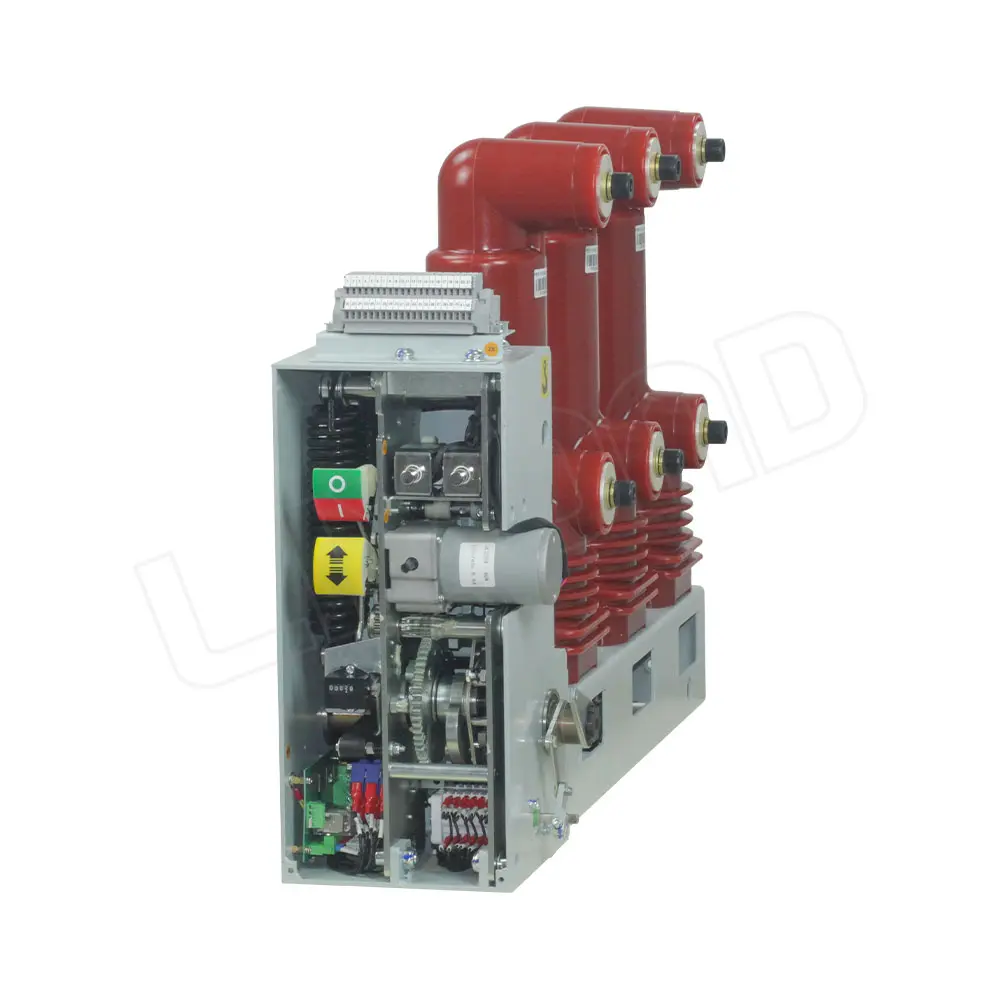
Introduction to Vacuum Circuit Breaker and Air Circuit Breaker
A vacuum circuit breaker and an air circuit breaker are both essential components in electrical distribution systems, providing protection against overloads and short circuits. The Vacuum circuit breaker operates by extinguishing arcs in a vacuum, while the air circuit breaker uses air as the medium for arc quenching. A vacuum circuit breaker offers high reliability and minimal maintenance, whereas an air circuit breaker is larger and may require frequent servicing. The vacuum circuit breaker is commonly used in medium-voltage applications, offering faster interruption times compared to air circuit breakers. The vacuum circuit breaker ensures long-term safety and performance even under harsh operating conditions. Choosing a vacuum circuit breaker enhances electrical safety, reduces downtime, and improves system efficiency. The vacuum circuit breaker is compact, environmentally friendly, and suitable for high-frequency switching. Unlike air circuit breakers, the vacuum circuit breaker has no risk of fire hazards or gas leakage. The vacuum circuit breaker ensures precise fault isolation, safeguarding connected equipment and personnel. Overall, a vacuum circuit breaker provides a modern, efficient, and reliable solution for electrical protection needs.
Operating Principles of Vacuum Circuit Breaker vs Air Circuit Breaker
Vacuum Circuit Breaker Operation
A vacuum circuit breaker works by separating its contacts in a vacuum environment. When a fault occurs, the arc generated between the contacts is immediately extinguished due to the high dielectric strength of the vacuum. This rapid interruption prevents damage to connected systems and maintains operational continuity. The vacuum circuit breaker is highly efficient for frequent switching operations because the contacts experience minimal wear.
Air Circuit Breaker Operation
In contrast, an air circuit breaker uses compressed air or air blast to extinguish the arc between open contacts. While effective for certain applications, air circuit breakers are slower in response compared to a vacuum circuit breaker. Air circuit breakers are generally used in low-voltage and some medium-voltage systems. The arc produced in air circuit breakers can cause heating and wear on contacts, requiring periodic maintenance.
Comparison of Arc Quenching Methods
The vacuum circuit breaker relies on the vacuum environment to prevent arc formation, providing a more efficient and safe operation. Air circuit breakers depend on the cooling effect of air to extinguish arcs, which may be less effective in high-frequency operations. Therefore, a vacuum circuit breaker ensures faster fault clearing and longer service life than an air circuit breaker.
Key Differences Between Vacuum Circuit Breaker and Air Circuit Breaker
Maintenance Requirements
A vacuum circuit breaker requires minimal maintenance due to its sealed vacuum interrupter, preventing oxidation and contamination. On the other hand, air circuit breakers require regular inspection and servicing of contacts and mechanisms, increasing operational costs.
Size and Design
The vacuum circuit breaker is compact and lightweight, making it suitable for installations with limited space. Air circuit breakers are generally bulkier due to their reliance on air chambers and mechanisms for arc extinction.
Operating Life
The vacuum circuit breaker has a longer operational life because the contacts are protected from oxidation and environmental factors. Air circuit breakers, exposed to air and environmental elements, experience faster wear and tear.
Switching Speed
The vacuum circuit breaker provides faster fault interruption, often within milliseconds, ensuring minimal damage to electrical systems. Air circuit breakers are slower in comparison, making the vacuum circuit breaker more suitable for sensitive applications.
Environmental Impact
A vacuum circuit breaker is eco-friendly as it does not use oil or gases that could cause pollution. Air circuit breakers also avoid oil use but can produce ozone and noise during operation, making the vacuum circuit breaker the cleaner option.
Application Range
The vacuum circuit breaker is ideal for medium-voltage systems, industrial plants, and high-frequency switching environments. Air circuit breakers are more common in low-voltage systems and certain medium-voltage applications where maintenance is manageable.
Why Choose Us for Vacuum Circuit Breakers
At Aierway, we specialize in manufacturing high-quality vacuum circuit breaker units designed for reliability, efficiency, and safety. Our vacuum circuit breaker solutions are engineered to meet international standards and are ideal for industrial, commercial, and power distribution applications. Choosing Aierway ensures access to vacuum circuit breaker units that are durable, compact, and require minimal maintenance. Each vacuum circuit breaker undergoes rigorous testing to guarantee performance under fault conditions. Our expertise and experience in vacuum circuit breaker technology make us a trusted partner for your electrical protection needs. With Aierway, you get advanced vacuum circuit breaker systems that enhance operational safety and reduce downtime.
Frequently Asked Questions (FAQs)
1. What is the main advantage of a vacuum circuit breaker over an air circuit breaker?The vacuum circuit breaker provides faster fault interruption, longer life, and minimal maintenance compared to air circuit breakers.
2. Can vacuum circuit breakers be used in high-voltage systems?Yes, vacuum circuit breakers are suitable for medium to high-voltage systems due to their efficient arc-quenching capabilities.
3. How often do vacuum circuit breakers require maintenance?A vacuum circuit breaker requires minimal maintenance since the contacts are sealed in a vacuum, preventing wear and contamination.
4. Are vacuum circuit breakers environmentally friendly?Yes, vacuum circuit breakers are eco-friendly because they operate without oil or gases, producing no emissions.
5. Which is better for frequent switching, a vacuum circuit breaker or air circuit breaker?A vacuum circuit breaker is better suited for frequent switching due to its fast response, minimal contact wear, and reliable arc extinction.
Conclusion
Understanding the differences between a vacuum circuit breaker and an air circuit breaker is crucial for selecting the right protection system. The vacuum circuit breaker offers faster interruption, longer life, compact design, minimal maintenance, and environmental safety, making it a superior choice in many applications. Air circuit breakers, while effective in certain settings, cannot match the efficiency, reliability, and long-term performance of a vacuum circuit breaker. Choosing a vacuum circuit breaker from Aierway guarantees operational safety, uninterrupted performance, and confidence in your electrical systems.