Understanding Metal Roofing
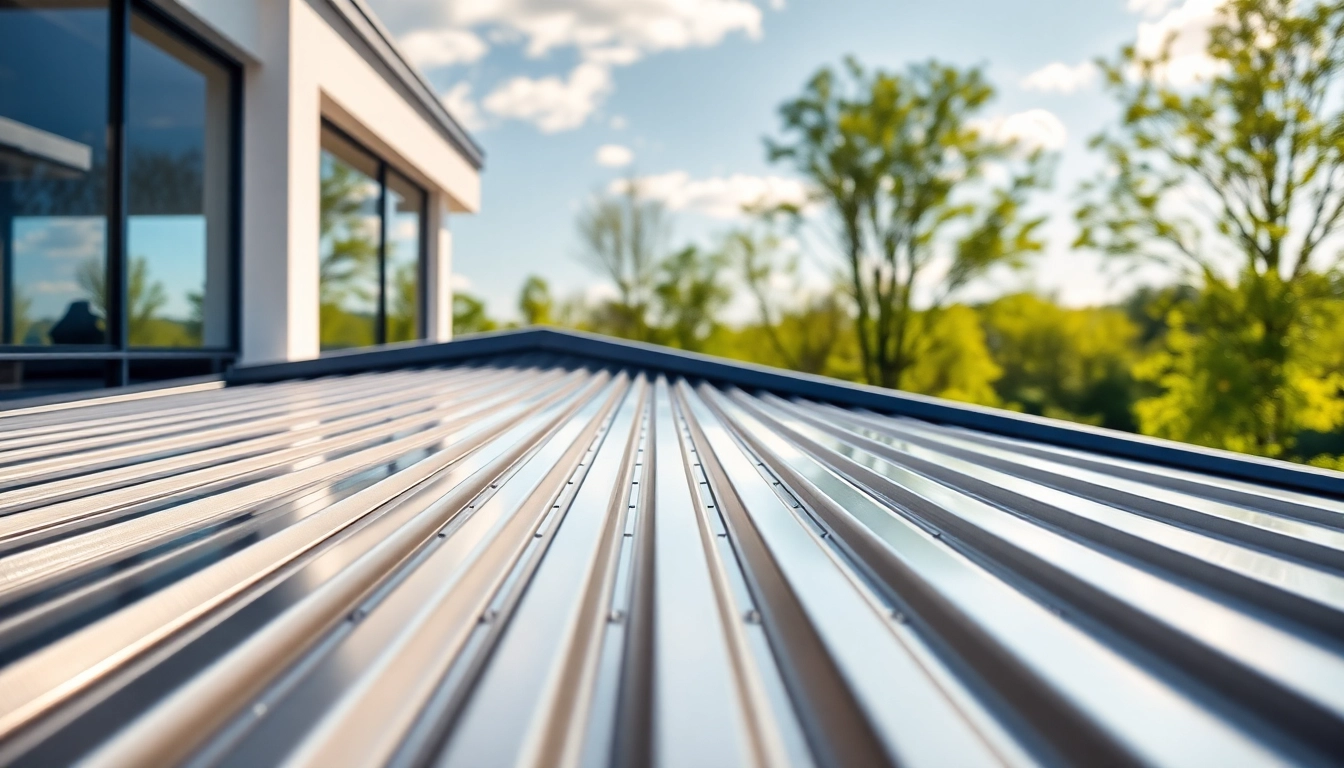
Metal roofing represents one of the most durable and aesthetically versatile roofing options available today. With a surge in popularity, homeowners and builders alike are considering metal roofs due to their long life span and exceptional performance. Those looking for reliable metal roofing companies may wonder about the extensive advantages of metal roofing, the materials involved, and how these roofs perform under various climatic conditions.
Benefits of Metal Roofing
Metal roofing offers numerous benefits over traditional roofing materials such as asphalt shingles or wood shakes. Some of the key advantages include:
- Longevity: Metal roofs can last between 40 to 70 years, significantly outpacing traditional materials.
- Durability: Metal is resistant to extreme weather conditions, including heavy winds, hail, and snow.
- Energy Efficiency: Reflective metal roofing can reduce cooling costs by reflecting solar heat, hence resulting in energy savings.
- Low Maintenance: Unlike shingles that may require regular repair or replacement, metal roofs require minimal maintenance over their lifespan.
- Environmental Impact: Many metals are recyclable, and metal roofs contribute to sustainability efforts within the construction industry.
Popular Metal Roofing Materials
When choosing metal roofing, the material can significantly affect both appearance and performance. Here are some of the most common types:
- Aluminum: Lightweight and resistant to corrosion, aluminum is ideal for coastal areas.
- Steel: Galvanized or galvalume steel offers strength and durability; it is often the most cost-effective metal roofing option.
- Copper: Known for its beauty and longevity, copper develops a patina over time, enhancing its aesthetic appeal.
- Zinc: Corrosion-resistant and eco-friendly, zinc roofs can last over 100 years and develop a characteristic patina.
How Metal Roofing Performs in Different Climates
Metal roofs are widely recognized for their adaptability to various climatic conditions:
- Hot Climates: The reflective properties of metal roofs keep homes cooler, contributing to energy savings.
- Cold Climates: Metal roofs shed snow quickly, reducing the risk of ice dams.
- Windy Areas: Metal roofs can withstand high winds and are less likely to be lifted or damaged compared to other roofing materials.
- Rainy Regions: Their water-shedding properties prevent leaks, making them an excellent choice for areas with heavy rainfall.
Selecting the Right Metal Roofing Companies
Choosing the right metal roofing company is crucial for ensuring a successful roofing project. Homeowners should consider several factors to make an informed decision.
Researching Credentials and Experience
Before selecting a company, it’s vital to research their credentials. Look for:
- Licenses: Ensure that the roofing company is licensed to operate in your area.
- Experience: Companies with a proven track record are more likely to deliver high-quality results.
- Certifications: Many manufacturers offer certifications to contractors who meet their training and installation standards.
Evaluating Customer Reviews and Testimonials
Reviews and testimonials can provide insight into the reliability and quality of a roofing company. Check:
- Online Reviews: Websites like Yelp or Google Reviews offer honest feedback from previous customers.
- Industry Recognition: Look for any awards or recognitions from industry organizations.
- References: Don’t hesitate to ask for references to gauge previous work quality.
Importance of Insurance and Warranties
Ensure that the metal roofing company carries insurance for their workers and provides a warranty for their work. Key points to consider include:
- Liability Insurance: Protects you from any accidents or damages during the installation process.
- Worker’s Compensation: Covers any injuries sustained by workers while on your property.
- Warranties: A good warranty indicates confidence in their materials and workmanship.
Cost Factors for Metal Roofing Projects
The cost of installing a metal roof can vary widely based on numerous factors. Understanding these can help homeowners budget effectively.
Material Prices vs. Installation Costs
The total cost of a metal roofing project consists of two segments: materials and labor. Factors influencing material prices include:
- Type of Metal: Copper is typically more expensive than steel or aluminum due to its durability and aesthetic appeal.
- Thickness: Heavier metals often offer better durability and longevity, albeit at a higher cost.
Installation costs can vary by region and complexity of the roof structure, thus affecting total project costs significantly.
Hidden Costs to Consider
In addition to direct costs, some hidden expenses can arise:
- Removal of Old Roof: Additional costs may arise if an existing roof needs removal.
- Structural Repairs: If the underlying structure requires repair, this can add to the overall expense.
- Permits and Inspections: Local regulations often dictate that permits must be obtained before installation, adding to costs.
Financing Options with Metal Roofing Companies
Many homeowners consider financing due to the upfront costs associated with metal roofing. Here are some common options:
- Installment Plans: Some companies offer their financing plans to allow for monthly payments over time.
- Home Equity Loans: Borrowing against the equity in your home can provide funding for major renovations.
- Credit Cards: High credit limit cards can sometimes be a quick financing option, albeit with higher interest rates.
Installation Process of Metal Roofing
Understanding the installation process can alleviate concerns and help homeowners prepare for their roofing project.
What to Expect During Installation
The installation of a metal roof typically involves the following steps:
- Preparation: Inspection of existing roof conditions and measuring dimensions for proper material procurement.
- Old Roof Removal: If applicable, the existing roof is carefully removed without damaging underlying structures.
- Installation of Underlayment: A protective underlayment is installed to ensure waterproofing and additional insulation.
- Installing Metal Panels: Metal panels are securely attached using appropriate fasteners, ensuring long-term durability.
- Finishing Touches: Installation of trim, flashing, or ridge caps completes the look and enhances protection.
Common Installation Mistakes to Avoid
Awareness of some common pitfalls can help ensure a smooth installation:
- Poor Measurements: Inaccurate dimensions can lead to material waste or an improperly fitting roof.
- Incorrect Fastening: Fasteners must be correctly aligned to avoid leaks or damage during storms.
- Neglecting Proper Ventilation: Insufficient ventilation can lead to moisture issues, compromising the roof’s integrity.
Maintaining Your Metal Roof Post-Installation
Regular maintenance ensures that metal roofs last as long as possible. Here are some essential maintenance tips:
- Regular Inspections: Check for loose or damaged panels, especially after severe weather events.
- Cleaning Debris: Keep gutters clear and remove any debris that may trap moisture against the surface.
- Address Rust Spots Promptly: Treat rust as soon as it is spotted to prevent larger issues down the line.
FAQs About Metal Roofing Companies
What types of metal roofing materials are available?
Common options include aluminum, steel, copper, and zinc, each offering unique benefits and aesthetics.
How do I choose the right metal roofing company?
Look for experience, customer reviews, insurance coverage, and warranty offerings to ensure quality service.
Is metal roofing worth the investment?
Yes, metal roofing is durable and can last 40-70 years, potentially offering savings on energy bills and maintenance.
What factors influence the cost of metal roofing?
Material choice, roof size, pitch, and local labor costs are significant factors affecting overall project expenses.
How do I maintain a metal roof?
Regular inspections, cleaning debris, and addressing rust spots promptly will help maintain your metal roof’s longevity.