
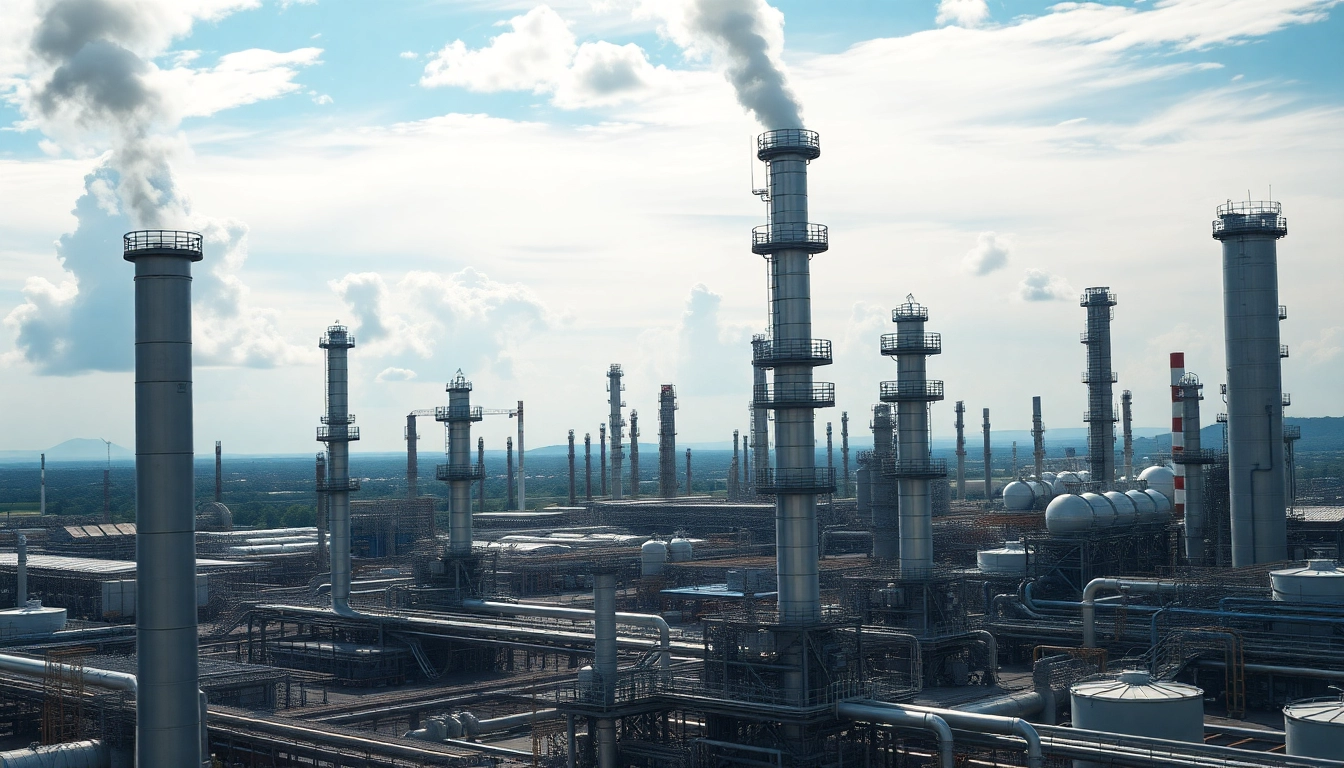
What are Refineries?
Definition and Purpose of Refineries
Refineries are industrial facilities where raw materials undergo various processes to produce refined products. Most commonly associated with refineries that convert crude oil into usable petroleum products, these sites serve crucial roles in the supply chain of energy and petrochemicals. The primary purpose of a refinery is to transform crude material into valuable products, including fuels, lubricants, and chemicals that power economies and daily life.
Types of Refineries
There are several types of refineries, primarily categorized by the materials they process and the products they generate:
- Oil Refineries: The most common type, focused on transforming crude oil into gasoline, diesel, kerosene, and other fuels.
- Petrochemical Refineries: These facilities focus on producing petrochemicals (like ethylene and propylene), which serve as feedstock for creating plastics, fertilizers, and chemicals.
- Sugar Refineries: Distinct from oil refineries, these plants process raw sugar cane into refined sugars and molasses.
- Metal Refineries: These facilities refine various metals from their ores, often through smelting and chemical processing.
Process Overview of Refineries
The refining process generally follows several critical stages:
- Distillation: This is the initial step where crude oil undergoes heating to separate it into components based on boiling points.
- Conversion: In this stage, heavier fractions are transformed into lighter products through methods like catalytic cracking or hydrocracking.
- Treatment: This step involves removing impurities and enhancing product qualities through chemical treatments.
- Blending: Finally, various refined streams are blended to create final products that meet specific market specifications.
The Role of Refineries in the Economy
Refineries and Job Creation
Refineries play a substantial role in job creation within local economies. The refining sector is labor-intensive, requiring a diverse workforce, including operational staff, engineers, and safety personnel. Furthermore, many ancillary jobs arise from supporting industries such as construction, transportation, and services related to maintaining refinery operations.
Economic Contributions of Refineries
In addition to job creation, refineries contribute significantly to GDP and local tax revenues. They also stabilize the supply of essential fuels and chemicals, forming the backbone of other industries, including transportation, agriculture, and manufacturing. The energy profile of a nation often relies heavily on the stability and efficiency of its refining capacity.
Refineries in Global Trade
Refineries also play a crucial role in global trade. Countries that export refined petroleum products often gain significant economic advantages. The international market for gasoline, diesel, and jet fuel continues to grow, with refiners adapting to dynamic market demands and trades. This dependence on global supply chains highlights the importance of maintaining robust refining infrastructures.
Environmental Impact of Refineries
Emissions and Sustainability Practices in Refineries
The operation of refineries inevitably has environmental impacts, primarily through emissions and waste. However, many refineries are now adopting sustainability practices aimed at minimizing their ecological footprint. Implementing technologies for carbon capture, investing in energy efficiency, and recycling water are critical components of these efforts.
Technological Innovations for Cleaner Refineries
Recent advancements in technology are transforming the refining sector towards greener practices. Innovations in catalysis, separation technologies, and automation are currently being applied to reduce pollution and improve efficiency. Such technologies offer the potential for refineries to achieve lower emissions while still meeting product demands.
Regulatory Standards Impacting Refineries
Regulatory frameworks established by governments significantly influence refinery operations. Refineries must adhere to strict emissions standards, water discharge regulations, and safety protocols. Compliance incurs costs, but it ensures that environmental and health impacts are managed, ultimately benefiting communities and ecosystems surrounding refineries.
Future Trends in Refining Industry
Shifts in Refineries Due to Renewable Energy
The rise of renewable energy sources poses both challenges and opportunities for the refining industry. Many traditional refineries are evolving by integrating biofuels and biodiesels into their offerings, prompted by government mandates and consumer preferences shifting towards sustainability.
Technological Advancements in Refineries
Technological advancements will continue to reshape refining. Automation, artificial intelligence, and data analytics play increasing roles in optimizing operations, predicting maintenance needs, and enhancing product quality. By leveraging these technologies, refineries can operate more safely and efficiently, reducing costs and environmental impacts.
Challenges Facing Future Refineries
Despite trends favoring modernization, refineries face numerous challenges, including fluctuating oil prices, geopolitical tensions, and stiff competition from alternative energy sources. Additionally, adapting to ever-changing environmental regulations requires continuous investment, which can stress profitability.
FAQs About Refineries
What is processed in a refinery?
Refineries convert crude oil into gasoline, diesel, heating oil, and other petroleum products.
What makes a refinery operate efficiently?
Efficient refineries use advanced technology to maximize output while minimizing waste and emissions.
How are refineries regulated?
Refineries are subject to environmental regulations and safety standards to protect workers and the environment.
What jobs are available in refineries?
Common jobs include operators, engineers, safety managers, and maintenance technicians, focusing on ensuring operational efficiency.
What challenges do refineries face?
Refineries contend with fluctuating oil prices, regulatory pressures, and the shift towards alternative energy sources.