
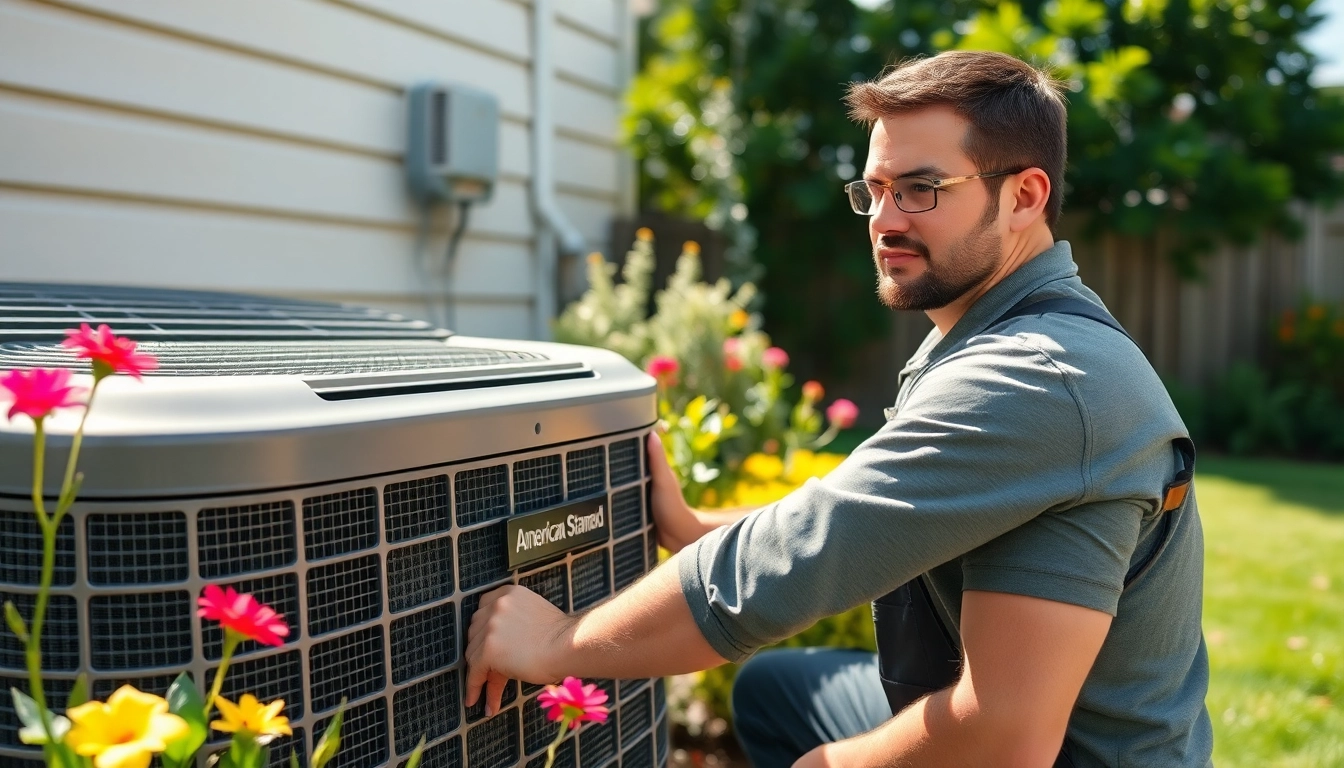
Understanding American Standard HVAC Systems
What is an American Standard HVAC System?
American Standard is a renowned manufacturer of HVAC products, including heating, ventilation, and air conditioning systems. These systems are designed to provide comfort and efficiency in residential and commercial environments. An American Standard HVAC system encompasses a range of units such as air conditioners, furnaces, heat pumps, and indoor air quality equipment, working in concert to maintain ideal indoor temperatures and air quality.
Characterized by advanced engineering and user-friendly controls, an american standard system is built for durability and performance, featuring energy-efficient designs that reduce the overall environmental footprint and operational costs for homeowners. With models tailored to varying climates and applications, American Standard systems provide flexible solutions to meet diverse HVAC needs.
Benefits of Choosing American Standard
Choosing an American Standard HVAC system comes with several benefits:
- Energy Efficiency: Many models boast high SEER (Seasonal Energy Efficiency Ratio) and AFUE (Annual Fuel Utilization Efficiency) ratings, which translate to significant savings on energy bills.
- Reliability: Backed by a solid reputation, American Standard products are noted for their longevity and dependability, reducing the likelihood of unexpected repairs.
- Comfort Control: Advanced features, such as multi-stage heating and cooling, offer customized comfort that aligns with homeowner preferences.
- Smart Home Integration: Many systems come equipped with smart technology that facilitates remote access and programmable settings, enhancing user convenience.
- Comprehensive Warranty: A robust warranty program ensures peace of mind, safeguarding your investment in American Standard products.
How to Identify Your HVAC Needs
Identifying your HVAC needs is a critical first step in selecting the right system. Consider the following factors:
- Home Size: The square footage of your home directly influences the type and capacity of the HVAC unit required.
- Climate: Your local climate plays a significant role in dictating whether you need a heating or cooling-dominated system.
- Existing Ductwork: If your home has existing ductwork, it may determine whether you should opt for a central air conditioning system or a ductless solution.
- Energy Efficiency Goals: If you aim to lower energy consumption, consider high-efficiency models that qualify for energy-saving programs.
- Budget: Establish a clear budget, encompassing initial costs and long-term operational expenses, as some systems may have higher upfront costs but lower operating costs.
Features of American Standard Products
Energy Efficiency Ratings Explained
Energy efficiency ratings are crucial indicators of how effectively an HVAC system uses energy. For air conditioners, SEER ratings measure cooling efficiency; the higher the SEER rating, the more efficiently the unit operates. Similarly, furnaces are rated by AFUE, which indicates the percentage of fuel that is converted into usable heat. Investing in systems with high ratings not only reduces energy costs but also contributes to environmental sustainability.
Smart Technology Integration
American Standard HVAC systems are equipped with advanced technology that optimizes performance and enhances user experience. Smart thermostats allow homeowners to program heating and cooling settings based on their schedules, leading to better energy management and convenience. Some models even feature mobile app integration, enabling users to monitor and control their system remotely.
Design and Aesthetic Considerations
Modern American Standard HVAC units are designed with aesthetics in mind, ensuring that they blend seamlessly with contemporary home environments. Many units have sleek, unobtrusive designs and come in various colors to suit exterior and interior styles. Additionally, noise reduction technologies are often incorporated, ensuring that the systems operate quietly without distracting homeowners.
Installation Process for American Standard Units
Choosing a Qualified Installer
The installation of an American Standard HVAC system should always be carried out by a qualified professional. Look for certified contractors who have experience with the brand and can provide quality workmanship. A proper installation ensures that the system operates efficiently and lasts longer. You can usually find qualified installers through official American Standard channels or local HVAC organizations.
Installation Timeline and Costs
The installation timeline can vary depending on the complexity of the system and any modifications required for your home. Typically, a full system installation can take anywhere from a single day to several days. Costs are influenced by factors such as the unit type, installation complexity, and local labor rates. It is beneficial to obtain multiple quotes and ensure that they include a breakdown of labor and materials.
Post-Installation Tips for Homeowners
After installation, homeowners should familiarize themselves with the system’s operation. Check the thermostat settings, ensure that airflow is unobstructed, and inspect filters regularly. Additionally, scheduling annual maintenance with a qualified technician can help ensure optimal performance and longevity of the system.
Maintenance and Care for Your American Standard System
Regular Maintenance Checklist
Maintaining your American Standard HVAC system is essential for efficiency and longevity. Here’s a quick checklist:
- Change or clean filters every 1-3 months.
- Inspect and clean the condenser coils annually.
- Check and clear any obstructions from the air ducts.
- Ensure drainage lines are clear to prevent water damage.
- Schedule annual professional inspections.
Common Issues and Solutions
Like any mechanical system, American Standard HVAC units can encounter issues. Common problems include uneven cooling, strange noises, or poor airflow. Often, these can be resolved with simple solutions such as changing the filter or ensuring that vents are open and unobstructed. More complex issues, such as refrigerant leaks, should always be handled by a professional technician.
When to Call a Professional
Homeowners should contact a professional when they notice persistent issues that do not resolve through basic maintenance. Signs such as increased energy costs, continuous operation without achieving set temperatures, or unusual noises may indicate that the system requires expert attention to prevent extensive damage.
Maximizing Efficiency of Your American Standard HVAC System
Optimizing Thermostat Settings
Optimizing thermostat settings is one of the most effective ways to maximize efficiency. During summer months, set the temperature around 78°F when you are home and increase it by a few degrees when away. In winter, maintain a temperature of 68°F when home and lower it when you are asleep or out. Utilizing programmable thermostats can ease this process significantly.
Seasonal Tips for Peak Performance
To ensure your HVAC system performs at its best through changing seasons, consider the following tips:
- In spring and autumn, perform light maintenance, such as clearing outdoor units of leaves or debris.
- In winter, ensure proper insulation to avoid drafts that can affect overall efficiency.
- During peak summer months, keep blinds or curtains closed during the hottest part of the day to minimize cooling loads.
Evaluating System Performance Over Time
Monitoring the HVAC system’s performance over time can help identify when repairs or replacements are necessary. Keep track of energy bills to watch for spikes that could indicate inefficiency. Regular service records and filter changes can also provide insight into the health and longevity of the system.
Frequently Asked Questions (FAQs)
1. How often should I replace my HVAC filters?
It’s recommended to check and replace your HVAC filters every 1 to 3 months, depending on usage and type of filter.
2. What is the typical lifespan of an American Standard HVAC system?
With proper maintenance, an American Standard HVAC system can last 15-20 years, ensuring reliability and efficiency.
3. How can I improve my HVAC system’s energy efficiency?
Regular maintenance, optimizing thermostat settings, and ensuring proper insulation can significantly enhance your HVAC system’s energy efficiency.
4. When should I schedule my HVAC maintenance?
Schedule annual HVAC maintenance in the spring for cooling systems and in the fall for heating systems to ensure efficiency.
5. What should I do if my HVAC system is making strange noises?
Unusual noises often indicate a problem. Turn off the system and contact a professional to diagnose and repair the issue promptly.
