
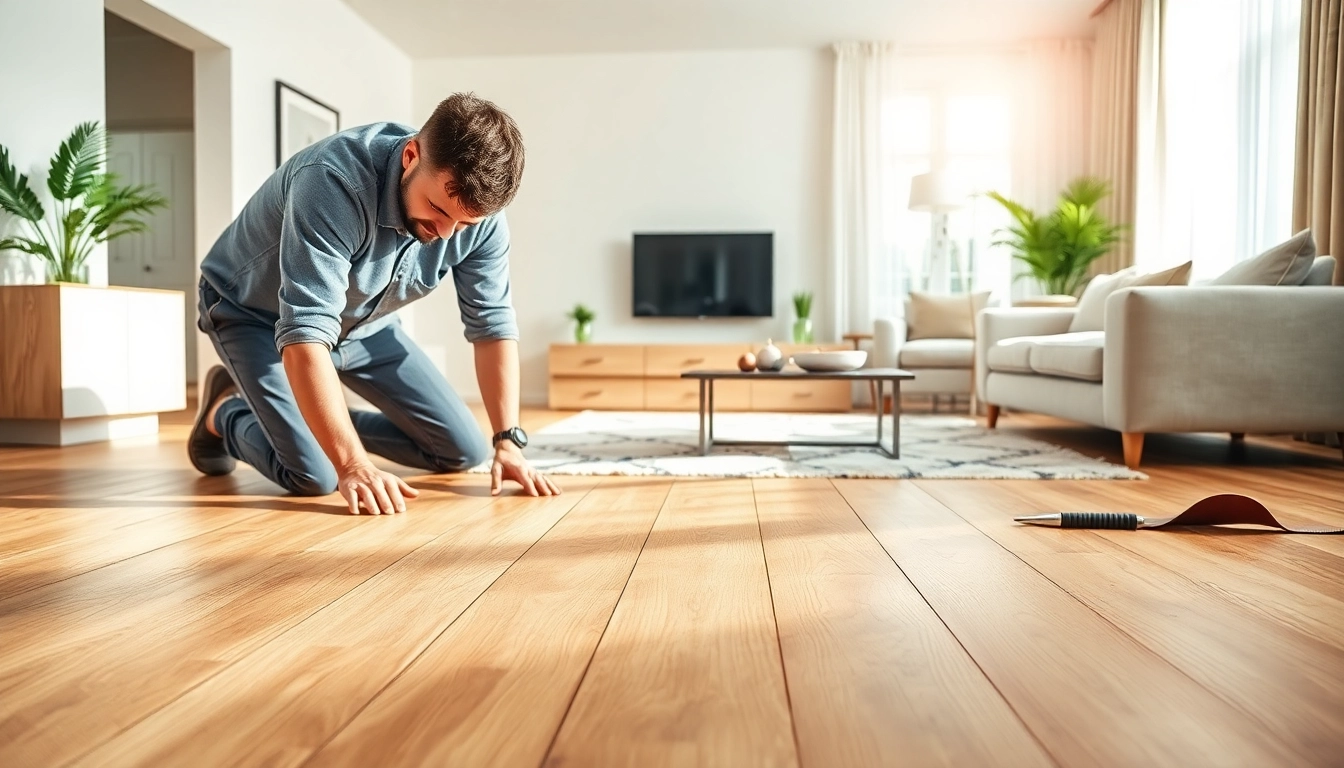
Understanding Vinyl Flooring Options
Vinyl flooring has gained immense popularity in recent years due to its durability, aesthetic versatility, and cost-effectiveness. By exploring the different options available, you can make an informed decision that elevates your space stylishly and functionally. For those considering a modern flooring solution, vinyl flooring offers a range of choices that suit various decor styles and practical needs.
Types of Vinyl Flooring
Understanding the different types of vinyl flooring is crucial for making the right choice for your home. Here are the main categories:
- Vinyl Plank Flooring: Resembling hardwood, vinyl planks provide a realistic aesthetic while offering water resistance. They are easy to install and often come with a click-lock mechanism.
- Vinyl Tile Flooring: Designed to mimic ceramic or stone tiles, vinyl tiles are available in a variety of sizes and patterns. They are suitable for both residential and commercial settings.
- Sheet Vinyl Flooring: This option comes in large, continuous sheets. It’s popular for wet areas, like kitchens and bathrooms, due to its seamless installation, which minimizes water damage risks.
Key Features and Benefits
Vinyl flooring boasts several features and benefits that make it an appealing choice for homeowners:
- Affordability: Compared to hardwood and stone, vinyl flooring is a budget-friendly alternative without compromising on aesthetics.
- Water Resistance: Many vinyl products are waterproof, making them ideal for moisture-prone areas.
- Easy Installation: The click-lock design and adhesive options allow for quick installation, often without the need for professional help.
- Comfort and Warmth: Vinyl flooring is softer underfoot than tile or hardwood, providing a more comfortable experience, especially in colder environments.
Durability and Maintenance
One of the utmost advantages of vinyl flooring is its durability. Vinyl is resistant to scratches, dents, and stains, making it an excellent choice for high-traffic areas. To maintain its look and function:
- Regular Cleaning: A daily sweep and occasional mopping with a pH-neutral cleaner will keep your floors looking new.
- Protective Measures: To prevent scratches, use furniture pads and avoid dragging heavy items across the floor.
- Low Maintenance: Unlike hardwood, vinyl does not require refinishing and can be maintained effortlessly with minimal effort.
Choosing the Right Vinyl Flooring for Your Home
Selecting the right vinyl flooring requires careful consideration of your home’s specific needs and aesthetic preferences. Here are key factors to consider:
Size and Layout Considerations
The size of the room plays a significant role in the type of vinyl flooring you should choose. Large rooms can benefit from wider planks or tiles, creating a more spacious feel, while smaller rooms might be better suited with smaller tiles or planks.
Additionally, consider the layout of your space. Diagonal patterns can make a room appear larger, while straight layouts can impose structured elegance. Take the time to visualize how the flooring will look against the backdrop of your existing decor.
Color and Style Matching
Your vinyl flooring should complement the overall design of your home. Choose colors that harmonize with your walls, furniture, and general theme. Light tones can open up a space, while dark hues can add warmth and sophistication.
Also, consider the finish. Glossy finishes may offer a contemporary look, while matte finishes add a more rustic aesthetic. Test samples in your space to see how lighting affects color perception throughout the day.
Environmental Factors
Selecting vinyl flooring also requires consideration of environmental factors such as humidity and temperature fluctuations. For bathrooms and kitchens, waterproof options are crucial for preventing mold and mildew.
Furthermore, be mindful of your flooring’s footprint. Some vinyl products are manufactured with sustainable practices and materials, presenting eco-friendlier choices for the environmentally conscious consumer.
Installation Process for Vinyl Flooring
Preparation and Tools Needed
Before installation, gather all necessary tools like a utility knife, straightedge, tape measure, and a flooring roller. Additionally, ensure that the subfloor is clean, dry, and level. If necessary, repair or replace damaged areas to prevent complications during the installation.
Step-by-Step Installation Guide
Follow this simple guide to install your vinyl flooring:
- Measure the Space: Accurately measure the area to determine the amount of vinyl needed.
- Cut the Vinyl: Using measurements, cut your vinyl planks or tiles to fit the room layout.
- Lay the Vinyl: Start installation from the center of the room, working outward. This helps ensure even placement.
- Secure the Vinyl: If using glue or adhesive, make sure to follow the manufacturer’s instructions for optimal performance.
- Finishing Touches: After laying the flooring, use a roller to ensure bonding and trim excess materials for a clean finish.
Common Pitfalls to Avoid
Several common mistakes can hinder your vinyl flooring installation:
- Ignoring Temperature: Always acclimate your vinyl flooring material to the room’s temperature before installation to avoid expansion or contraction post-installation.
- Rushing Measurements: Take your time measuring to ensure precision; errors here can lead to waste and misalignment.
- Skipping Subfloor Checks: A poorly prepared subfloor can lead to failure in the installed product. Always check this prior to laying new flooring.
Maintaining Your Vinyl Flooring
Caring for vinyl flooring is essential for maximizing its lifespan and preserving its appearance. Here are some maintenance tips to keep in mind:
Cleaning Best Practices
Cleaning your vinyl flooring regularly helps eliminate dust and dirt that can scratch the surface over time. Utilize a soft broom or vacuum for daily upkeep, and mop with a damp cloth and mild cleaner as needed:
- Avoid Harsh Chemicals: Stick to pH-neutral cleaners as acidic or abrasive substances can damage the flooring.
- Spot Cleaning: Attend to spills and stains immediately to prevent long-term discoloration.
Dealing with Scratches and Damage
While vinyl flooring is robust, it can still get scratched or otherwise damaged. Here’s how to address these issues:
- Minor Scratches: For surface scratches, use a vinyl flooring repair kit or a matching marker to touch up the area.
- Deep Scratches: For larger issues, consider replacing the affected plank or tile. This should be done carefully to avoid damaging surrounding areas.
Long-term Care Tips
Beyond regular cleaning, consider the following long-term care practices to maintain your vinyl flooring:
- Rug Use: Strategically place rugs in high-traffic areas to protect against wear.
- Direct Sunlight: Use blinds or curtains to reduce sun exposure, preventing fading and warping.
Cost Considerations and Budgeting
Budgeting for your vinyl flooring involves understanding costs associated with purchase, installation, and maintenance. Proper budgeting allows for a smoother transition into your new flooring.
Understanding Pricing Models
Vinyl flooring offers various pricing models ranging from premium to budget-friendly options:
- Standard Vinyl: Typically ranges lower in price, making it accessible for various budgets.
- Luxury Vinyl: Higher-end specifications may come at a higher cost but offer greater durability and aesthetics.
How to Estimate Installation Costs
Installation costs can vary based on labor, materials, and the complexity of the job. To estimate costs:
- Get Quotes: Approach multiple contractors for estimates based on your room size and flooring choice.
- Consider DIY: If comfortable, install the flooring yourself to save on labor costs.
Investing in Quality
While considering costs, it’s essential to recognize that investing in quality products can lead to long-term savings. Quality vinyl flooring tends to hold up better over time, reducing replacement frequency and maintenance costs. Take your time to compare options and consider warranties as part of your investment.
Frequently Asked Questions
What is the lifespan of vinyl flooring?
Vinyl flooring can last 10-20 years depending on usage, maintenance, and quality. Higher grades generally offer longer lifespans.
Can I install vinyl flooring over existing floors?
Yes, vinyl flooring can often be installed over existing floors, provided they are level, clean, and in good condition.
Is vinyl flooring safe for children and pets?
Yes, vinyl flooring is a safe option, being both slip-resistant and easy to clean, making it ideal for homes with children and pets.
Does vinyl flooring fade in sunlight?
While vinyl flooring is UV resistant, prolonged exposure to direct sunlight can cause fading over time. Utilize window coverings to minimize this effect.
Can I refinish vinyl flooring?
Refinishing is not typically possible for vinyl flooring. However, you can replace worn-out planks or tiles to maintain its appearance.