
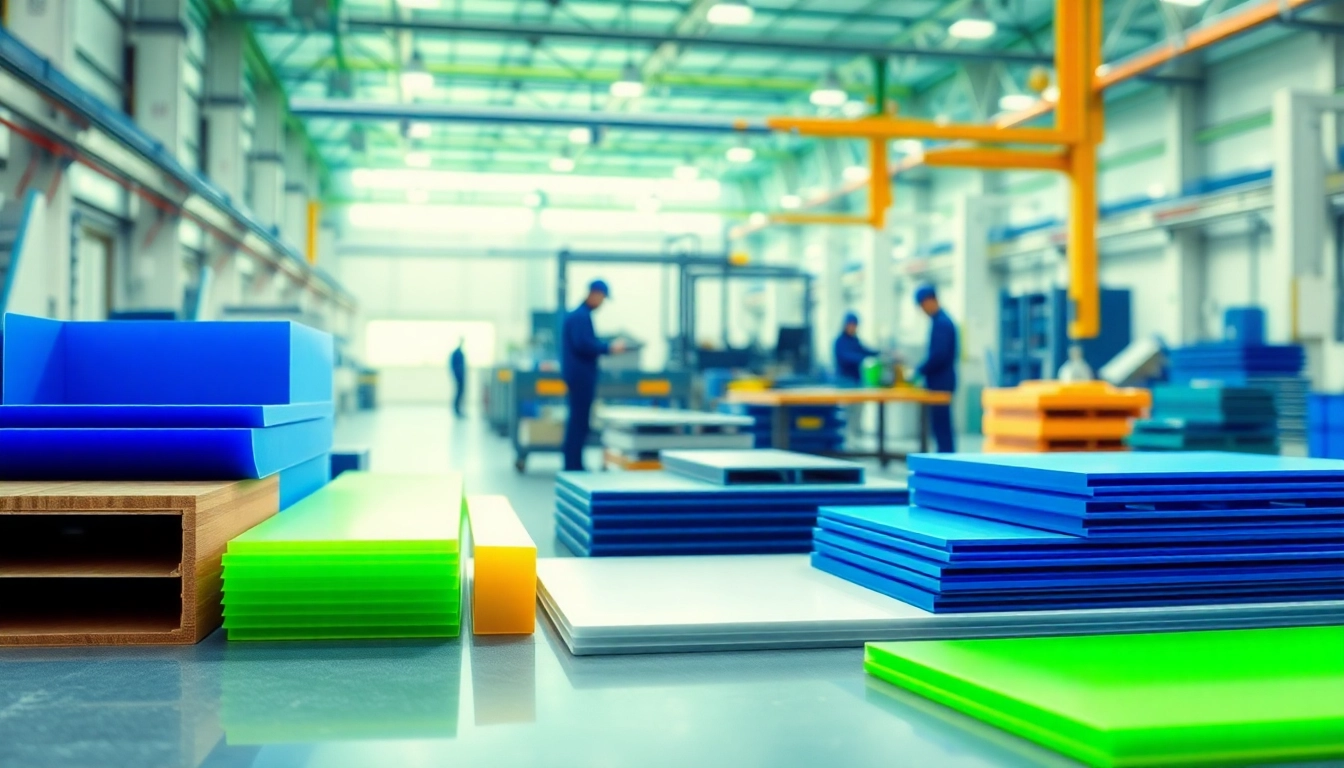
Understanding GRP Manufacturing
What is GRP?
Glass Reinforced Plastic (GRP), commonly known as fiberglass, is a composite material widely recognized for its excellent strength-to-weight ratio and resistance to corrosion. This unique combination makes it a popular choice in various industries, including construction, automotive, marine, and aerospace. GRP is created by combining glass fibers with a resin matrix, typically polyester or epoxy, thereby producing a durable and lightweight product.
Key Applications of GRP
GRP’s versatility lends itself to numerous applications. In the GRP Manufacturer sector, it is used extensively for creating components like pipes, tanks, and panels. The automotive industry employs GRP for body parts and interiors due to its lightweight nature, which aids in better fuel efficiency. Additionally, in marine applications, GRP is used for boat hulls, offering strength and buoyancy without the issues of rust or rot associated with traditional materials.
Materials Used in GRP
The primary materials used in GRP manufacturing include glass fibers and polymer resins. Glass fibers provide the structural strength, while the resins act as a binding agent that protects the fibers and offers additional durability. Various types of glass fibers are employed, such as E-glass (alkali glass) for standard applications and S-glass (high-strength glass) for performance-critical components. The type of resin used can also vary, with thermosetting resins like polyester, vinyl ester, and epoxy being the most common.
The Manufacturing Process of GRP
Raw Materials Selection
The initial stage in GRP manufacturing involves selecting high-quality raw materials. This selection process is critical, as the properties of the final composite depend largely on the chosen glass fibers and resins. For optimal performance, manufacturers assess various factors such as tensile strength, chemical resistance, and the intended application of the GRP product.
Forming Techniques
Several forming techniques are employed in the production of GRP, including hand lay-up, spray-up, and automated processes like filament winding and resin transfer molding (RTM). Hand lay-up is labor-intensive but allows for complex shapes and customized designs. In contrast, automated processes enhance consistency and efficiency, making them suitable for high-volume production. Each technique has its advantages, and the choice depends on the specific requirements of the application.
Quality Control in GRP Manufacturing
Ensuring the quality of GRP products is paramount. During the manufacturing process, rigorous quality control measures are implemented, including testing of raw materials, monitoring production conditions, and conducting post-production evaluations. Techniques such as non-destructive testing (NDT) are often employed to verify the integrity of the final product, ensuring it meets industry standards and customer expectations.
Benefits of Using GRP
Durability and Longevity
One of the standout advantages of GRP is her durability. It can withstand harsh environmental conditions, making it ideal for outdoor applications. The inherent corrosion resistance means that GRP components can last significantly longer than those made from traditional materials, such as steel or wood, which are prone to rust and rot. This longevity translates into reduced maintenance costs over time.
Cost-Effectiveness
While the initial investment in GRP can be higher than that of some alternatives, the long-term savings can be substantial. The low maintenance requirements and extended lifecycle of GRP products can lead to lower overall costs. Additionally, the lightweight nature of GRP components often reduces transportation and installation costs, making it a financially viable option in the long run.
Environmental Benefits of GRP
GRP is increasingly recognized for its environmental benefits. Many GRP products are made from recyclable materials, and the production process typically has a lower carbon footprint than that of traditional materials. Furthermore, the durability of GRP reduces the need for frequent replacements, thereby minimizing waste. As sustainability becomes a crucial consideration for many industries, GRP stands out as an eco-friendly material choice.
Challenges in GRP Production
Addressing Manufacturing Challenges
Despite its advantages, GRP production is not without challenges. The manufacturing process can be complex and requires skilled labor, particularly for techniques like hand lay-up. Additionally, ensuring a consistent quality can be difficult, especially when working with various resin systems. To mitigate these challenges, manufacturers often invest in training and advanced technologies to enhance production efficiency and output quality.
Material Limitations
While GRP boasts many strengths, it also has certain limitations. For instance, it can be less impact-resistant than metals, which may make it unsuitable for certain applications that require high toughness. Furthermore, GRP can be vulnerable to UV degradation without protective coatings, necessitating careful consideration in outdoor uses. Understanding these limitations helps manufacturers tailor GRP formulations to better meet specific performance needs.
Market Competition for GRP Manufacturers
The GRP manufacturing sector is experiencing increasing competition, particularly from alternative composite materials and advanced manufacturing technologies. Companies must innovate to differentiate their products and maintain market share. Strategies might include adopting more sustainable manufacturing processes, improving product performance characteristics, and offering better customer service agreements to build loyalty in a crowded marketplace.
The Future of GRP Manufacturing
Advancements in Technology
As technology evolves, so does the GRP manufacturing process. Automation and AI are being integrated into production lines to enhance efficiency and precision. Additionally, advancements in material science are leading to the development of new resin formulations that provide greater strength and flexibility. These innovations pave the way for applications previously thought impossible, expanding the potential for GRP solutions.
Industry Trends
The GRP manufacturing industry is influenced by several trends, including the shift towards sustainability and the increasing demand for lightweight materials in transportation and aerospace. Furthermore, there is a growing interest in smart materials, which can adapt their properties in response to environmental changes. As these trends continue, GRP manufacturers will need to adapt to meet changing market demands and customer preferences.
How GRP Manufacturers are Adapting
GRP manufacturers are responding to market changes by investing in research and development, forming strategic partnerships, and incorporating sustainable practices into their operations. By embracing new technologies and staying attuned to industry needs, manufacturers can maintain competitive advantage while contributing to a more sustainable future in materials manufacturing.
FAQs
1. What is the primary use of GRP?
GRP is widely used in construction, transportation, and marine industries for its strength and lightweight properties.
2. How does GRP compare to other materials?
GRP offers superior durability and resistance to corrosion compared to metals and traditional plastics.
3. What are the environmental benefits of using GRP?
GRP is often made from recyclable materials and has a lower carbon footprint during production than many alternatives.
4. How is quality ensured in GRP manufacturing?
Strict quality control measures, including material testing and process monitoring, are critical to maintaining high standards.
5. What trends are shaping the future of GRP manufacturing?
Emerging technologies, such as automation and sustainable materials, are driving innovation within the GRP manufacturing sector.
