Understanding Precision Plate Cutting
In today’s manufacturing landscape, precision plate cutting has emerged as a crucial process, enabling industries to produce high-quality components with exceptional accuracy. This technique utilizes advanced tools and technology to achieve intricate cuts, making it indispensable for sectors such as aerospace, automotive, and construction.
What is Precision Plate Cutting?
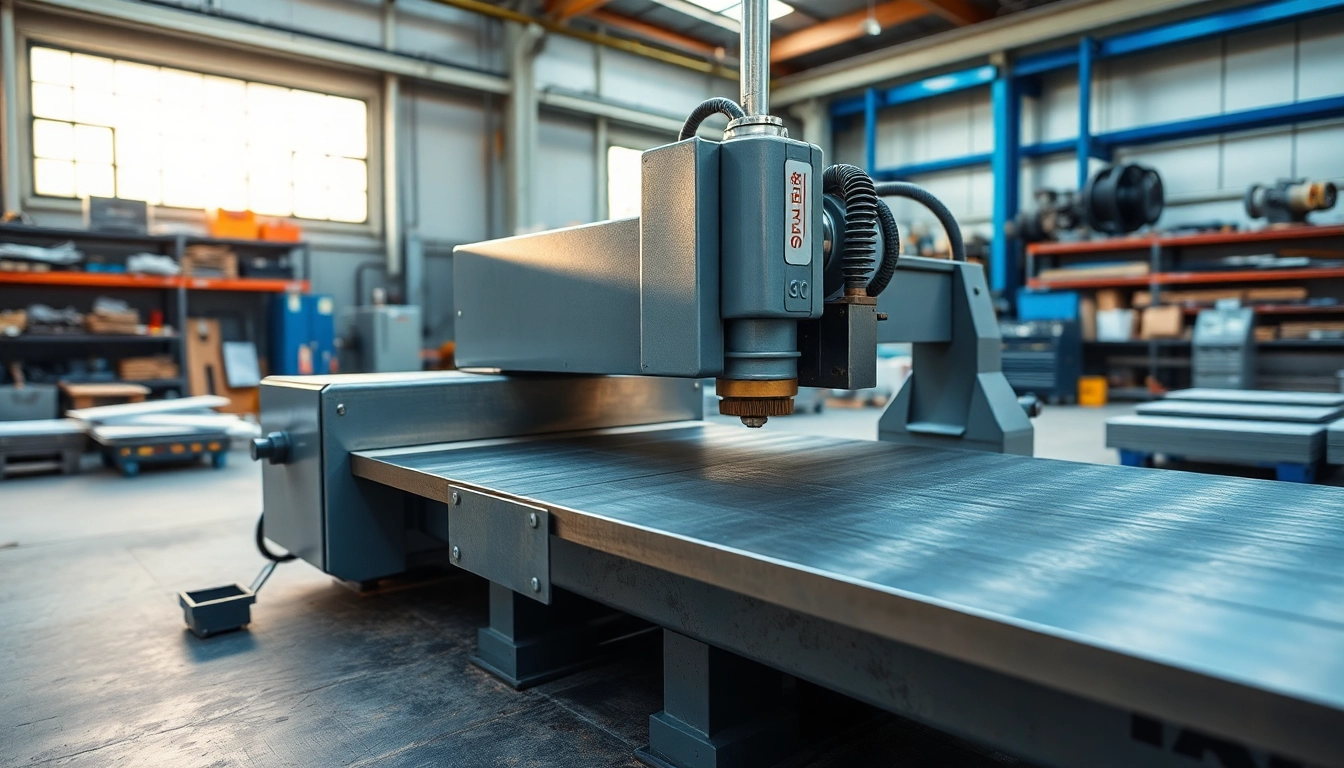
Precision plate cutting refers to a method of cutting metal plates or sheets to specific dimensions and shapes with high accuracy. This process utilizes various cutting technologies, including laser, plasma, and waterjet cutting, ensuring minimal material wastage and superior edge quality. Precision cutting plays a vital role in ensuring that the components produced meet strict industry standards, allowing companies to optimize efficiency and maintain product integrity.
Key Benefits of Precision Plate Cutting
There are several advantages associated with precision plate cutting:
- Enhanced Accuracy: Achieves tolerances down to microns, making it ideal for sectors that require exact specifications.
- Reduced Material Waste: Advanced cutting technologies minimize excess waste, leading to cost savings.
- Versatility: Can be used on various materials, including steel, aluminum, and alloys, allowing for a broad range of applications.
- Improved Finish Quality: Results in cleaner edges and surfaces, reducing the need for additional finishing processes.
- Scalability: Suitable for both small-scale projects and large production runs, adapting easily to business needs.
Common Applications of Precision Plate Cutting
Precision plate cutting is employed across various industries for numerous applications, including:
- Aerospace Components: Manufacturing critical components that require high precision.
- Automotive Parts: Creating parts that enhance vehicle safety and performance.
- Construction Materials: Producing structural elements that meet regulatory requirements.
- Artistic Designs: Used in metal art and architectural projects where aesthetics are key.
- Medical Equipment: Precision cutting ensures that components meet the high standards necessary for healthcare applications.
Techniques for Effective Precision Plate Cutting
Laser vs. Plasma Cutting: Pros and Cons
Two of the most prominent methods for precision plate cutting are laser cutting and plasma cutting. Each technique has its own advantages and disadvantages:
- Laser Cutting:
- Pros: Provides superior finish quality and minimal heat-affected zone, making it ideal for thin materials.
- Cons: Higher operational costs and slower cutting speed for thicker materials.
- Plasma Cutting:
- Pros: Faster cutting speeds and cost-effective for thicker materials.
- Cons: Typically results in a rougher edge and a larger heat-affected zone.
Choosing the Right Tools for Precision Plate Cutting
Selecting the appropriate cutting tools is vital for successful precision plate cutting. Consider factors such as material type, thickness, and desired finish when choosing the cutting method. Equipment might include:
– CNC Laser Cutters – For intricate designs and high levels of accuracy.
– Plasma Cutters – Ideal for thicker materials and faster operation.
– Waterjet Cutters – Suitable for fragile materials that cannot withstand high temperatures.
Maintenance Tips for Cutting Equipment
Proper maintenance is essential to ensure the longevity and efficiency of cutting equipment:
- Regularly inspect and replace worn-out components.
- Clean cutting surfaces and nozzles to prevent material build-up.
- Calibrate machines periodically to maintain cutting precision.
- Follow manufacturer’s guidelines for operational procedures and maintenance schedules.
Best Practices in Precision Plate Cutting
Safety Precautions in Precision Plate Cutting
Safety must be a top priority when performing precision plate cutting. Important precautions include:
- Always wear appropriate personal protective equipment (PPE), such as gloves, goggles, and ear protection.
- Ensure proper ventilation in the cutting area to mitigate harmful fumes.
- Keep flammable materials away from cutting operations.
- Conduct regular safety training for all personnel involved in the cutting process.
Optimizing Cutting Parameters for Better Results
To enhance cutting efficiency and precision, it’s crucial to optimize cutting parameters:
- Adjust cutting speed according to material thickness.
- Set appropriate feed rates to balance speed and precision.
- Utilize the right gas mixtures for plasma cutting to improve cuts’ quality.
- Monitor power settings and adjust accordingly to prevent overheating.
Quality Control Measures in the Cutting Process
Implement quality control by regularly assessing the cutting results:
- Use measurement tools to check part dimensions against specifications.
- Conduct sample cuts to verify machine calibration before production.
- Document processes to track patterns and identify potential issues early.
Challenges in Precision Plate Cutting
Common Issues and Solutions
Precision plate cutting can present challenges, including:
- Overheating: Can be mitigated by ensuring proper cooling and ventilation.
- Inconsistent Cuts: Regular machine calibration can minimize variations in cutting quality.
- Material Warping: Employ techniques like steady cutting speeds and methods that reduce heat input.
Managing Material Waste Effectively
Preventing material waste is critical in precision plate cutting. Consider implementing:
- Efficient nesting software to maximize material usage.
- Regular monitoring of material usage to identify patterns that may lead to inefficiencies.
- Recycling unusable scraps to minimize overall waste.
How to Troubleshoot Cutting Errors
Address cutting errors promptly to avoid disruption:
- Check the machine settings and recalibrate if necessary.
- Inspect wear and tear on cutting equipment, replacing components as needed.
- Review material specifications to ensure compatibility with the chosen cutting technique.
The Future of Precision Plate Cutting Technology
Emerging Technologies in the Industry
The precision plate cutting industry is evolving with new technologies aimed at enhancing efficiency and performance:
- High-speed laser systems that significantly increase cutting speed.
- Advanced software for automated nesting and optimization of materials.
- Artificial intelligence for predictive maintenance and error detection.
Automation and Its Impact on Precision Plate Cutting
Automation is set to revolutionize precision plate cutting, allowing for:
- Reduced labor costs by integrating automated systems.
- Increased production rates without compromising quality.
- Improved process consistency through automated monitoring and adjustments.
Trends to Watch in Precision Plate Cutting
As the industry grows, several trends are worth monitoring:
- The integration of Industry 4.0 technologies into precision cutting workflows.
- The increasing importance of sustainability practices in manufacturing processes.
- Growing demand for custom manufacturing solutions driven by market needs.
Frequently Asked Questions
1. What materials can be cut using precision plate cutting?
Materials such as steel, aluminum, and various alloys are commonly cut using precision plate cutting methods.
2. What cutting technologies are available?
Common cutting technologies include laser cutting, plasma cutting, and waterjet cutting, each suited for different applications.
3. How can I ensure safety during cutting operations?
Wearing PPE, ensuring proper ventilation, and following operational guidelines can significantly enhance safety during cutting.
4. What factors affect the quality of cuts in precision plate cutting?
Factors include cutting speed, feed rate, gas mixture, and material thickness which all contribute to the quality of the cut.
5. How does automation benefit precision plate cutting?
Automation enhances production rates, reduces labor costs, and ensures enhanced consistency in cutting quality across operations.