
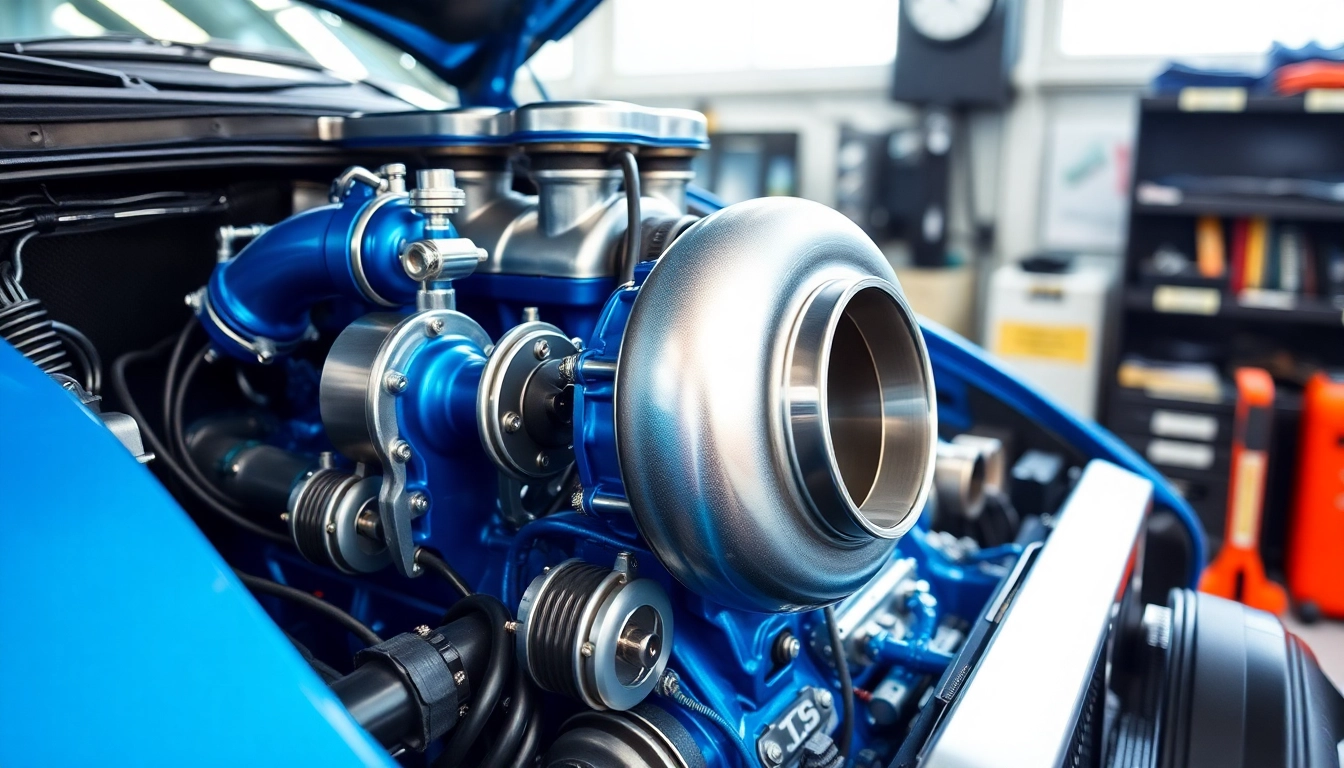
Understanding the Turbosmart Turbo System
What is a Turbosmart Turbo System?
The Turbosmart turbo system is an engineered system designed to enhance engine performance by significantly improving air intake efficiency and increasing boost levels. Turbosmart has gained recognition for its commitment to quality and performance, developing turbochargers, wastegates, and blow-off valves that integrate into an overall turbocharging system. The system works by forcing more air into the engine’s combustion chamber, which enables greater fuel combustion and more power generation.
Key Components of Turbosmart Turbo Systems
A Turbosmart turbo system is composed of several critical components that work in concert to enhance engine performance:
- Turbocharger: The heart of the system, the turbocharger compresses the engine’s intake air, allowing for a denser air-fuel mixture.
- Wastegates: These regulate exhaust flow to the turbine, ensuring optimal boost levels without over-pressurizing the engine.
- Blow-off Valves (BOVs): These release excess pressure from the intake system when the throttle is closed, preventing compressor surge and maintaining boost response.
- Boost Controllers: These fine-tune the turbo boost levels to match the engine’s performance needs, providing the driver with advanced control.
- Intercoolers: These cool the compressed air before it enters the engine, increasing density and preventing knocking.
Benefits of Upgrading to Turbosmart Turbo Systems
Choosing a Turbosmart turbo system presents numerous advantages for vehicle owners. Here are some of the key benefits:
- Increased Power Output: With enhanced air intake, vehicles can achieve higher power outputs, translating to better acceleration and throttle response.
- Improved Fuel Efficiency: A well-tuned turbo system can lead to better engine efficiency, resulting in improved fuel economy during both normal and high-performance driving.
- Enhanced Engine Longevity: Properly designed turbo systems can reduce engine strain and wear, promoting longer life for the engine.
- Customization Options: Turbosmart offers a variety of components that can be tailored to fit specific performance needs and vehicle setups.
Installation Process for Turbosmart Turbo Systems
Tools Required for Installation
Installing a Turbosmart turbo system requires specific tools to ensure a proper fit and function. Here are the tools you’ll need:
- Socket set
- Wrenches (metric and standard sizes)
- Screwdrivers (flathead and Phillips)
- Torque wrench
- Lift or jack stands for vehicle elevation
- Exhaust clamps and hangers
- Silicone gaskets and sealants
Step-by-Step Installation Guide
Installing a Turbosmart turbo system can be accomplished by following these general steps. However, always consult the specific manufacturer instructions associated with your kit:
- Preparation: Ensure the vehicle is parked on a flat surface with preventative measures in place to protect the area surrounding the engine.
- Remove the Stock Components: Carefully disconnect and remove the existing intake manifold and exhaust components you need to replace.
- Install the Turbocharger: Mount the turbocharger securely to the engine using the hardware provided in the kit.
- Connect the Wastegate and BOV: Install the wastegate and BOV, ensuring airtight connections to avoid boost leaks.
- Install Intercooler: Position and secure the intercooler in place before connecting the air piping between the turbocharger and the engine.
- Integrate the Boost Controller: Install the boost controller and connect it according to the manufacturer’s guidelines for accurate tuning.
- Check for Leaks: Once everything is connected, perform a thorough inspection for any potential leaks.
- Reassemble: Replace any fasteners and covers removed during the disassembly phase.
- Final Inspection: Double-check all wiring and hardware connections before starting the vehicle.
Common Installation Mistakes to Avoid
Common pitfalls during installation can lead to underperformance or damage. Here are a few mistakes to avoid:
- Neglecting Factory Specs: Always refer to manufacturer specifications for torque settings and part placements.
- Forgetting Boost Leak Tests: Failing to test for leaks can lead to reduced efficiency and power loss.
- Rushing the Process: Take your time to ensure every component is properly installed, avoiding the urge to speed through the task.
- Overtightening Connections: This can damage components and cause leaks; always use the correct torque settings.
Performance Enhancements Using Turbosmart Turbo Systems
Power Gains from the Turbosmart Turbo System
The performance enhancements afforded by the Turbosmart turbo system can be significant. Many users report substantial power increases, sometimes up to 50-80% depending on the specific application and vehicle. This gain is achieved by increasing both the volume and pressure of air entering the engine, optimizing combustion efficiency.
Assessing Engine Efficiency with Turbo Boost
Boost pressure is a crucial factor in assessing engine efficiency. By measuring the boost pressure generated, users can determine how much additional power can be produced without risking engine health. A well-optimized turbo system allows for high boost levels while maintaining proper air-fuel ratios, ensuring that the engine operates efficiently.
Real-World Examples of Performance Improvement
Many enthusiasts have documented their satisfaction with Turbosmart systems. For example, a common upgrade is seen in vehicles transitioning from a naturally aspirated engine to a turbocharged setup, where users report not only increased horsepower but also significant torque gains across the RPM range. This transformation provides a more dynamic driving experience, particularly during acceleration.
Troubleshooting Common Issues
Identifying Problems with Turbosmart Turbo Systems
Even the most well-designed systems can encounter issues. Common problems with turbo systems include:
- Boost Leaks: These manifest as reduced power and efficiency, easily identified through vacuum testing.
- Wastegate Failures: If the wastegate does not open, it can lead to overboost and potential engine damage.
- BOV Issues: A malfunctioning BOV can cause turbo lag and compressor surge, disrupting smooth operation.
Solutions for Common Turbo System Malfunctions
Addressing turbo system issues efficiently requires a solid understanding of potential fixes:
- Tightening Connections: Regularly check and tighten hoses and clamps to prevent boost leaks.
- Testing Wastegate Functionality: Manually check the wastegate to ensure it operates freely without sticking.
- Inspecting and Replacing BOVs: If the BOV fails to hold pressure, consider replacement with a higher-quality aftermarket component.
When to Consult a Professional Mechanic
If the problems persist despite your attempts to troubleshoot, or if you notice signs of major engine distress such as knocking sounds or excessive smoke, it’s advisable to consult a professional mechanic. Accurate diagnosis often requires specialized tools and knowledge that a professional can provide.
Maintaining Your Turbosmart Turbo System for Longevity
Routine Maintenance Tips
For long-lasting performance from your Turbosmart turbo system, routine maintenance is crucial. Recommended practices include:
- Regular Oil Changes: Use high-quality synthetic oil and change it as per the manufacturer’s recommendations to keep the turbo bearing lubricated.
- Inspecting Components: Periodically check your turbo, wastegate, and hoses for signs of wear or damage.
- Cleaning the Air Filter: A clean air filter ensures optimal airflow, preventing debris from entering the turbo.
Performance Testing Frequency
To ensure that your system operates optimally, consider conducting performance tests every six months or before planned high-performance driving events. This includes measuring boost levels and conducting EGT (exhaust gas temperature) tests. Maintaining proper boost and EGT levels can save your engine from significant damage.
Signs Your Turbo System Needs Replacement
Some signs may indicate that your Turbosmart turbo system is nearing the end of its service life. Watch for these symptoms:
- Reduced Power: Noticeably lower acceleration or responsiveness is often the first sign.
- Unusual Noises: Whining or grinding sounds from the turbo can indicate bearing failure or internal damage.
- Excessive Exhaust Smoke: This may suggest oil leakage into the exhaust system, indicating that the turbo should be inspected or replaced immediately.
FAQs About Turbosmart Turbo Systems
1. How much power can I gain from a Turbosmart turbo system?
Power gains can range from 50% to 80% depending on your vehicle and the specific turbo setup. Proper tuning is essential for optimal results.
2. Do I need to modify my engine to install a Turbosmart turbo system?
Some modifications may be necessary depending on your specific vehicle. Ensure to check compatibility and installation requirements beforehand.
3. How can I maintain my Turbosmart turbo system?
Regular oil changes, inspections, and air filter maintenance are crucial. Additionally, perform routine performance tests to ensure it operates optimally.
4. Can I install a Turbosmart turbo system myself?
With the right tools and knowledge of automotive mechanics, you can install it yourself. However, professional installation is recommended for best results.
5. What are common issues with turbo systems?
Common problems include boost leaks, wastegate failures, and BOV issues. Regular inspections can help identify and prevent these issues.