Understanding Custom Laser Design
What is Custom Laser Design?
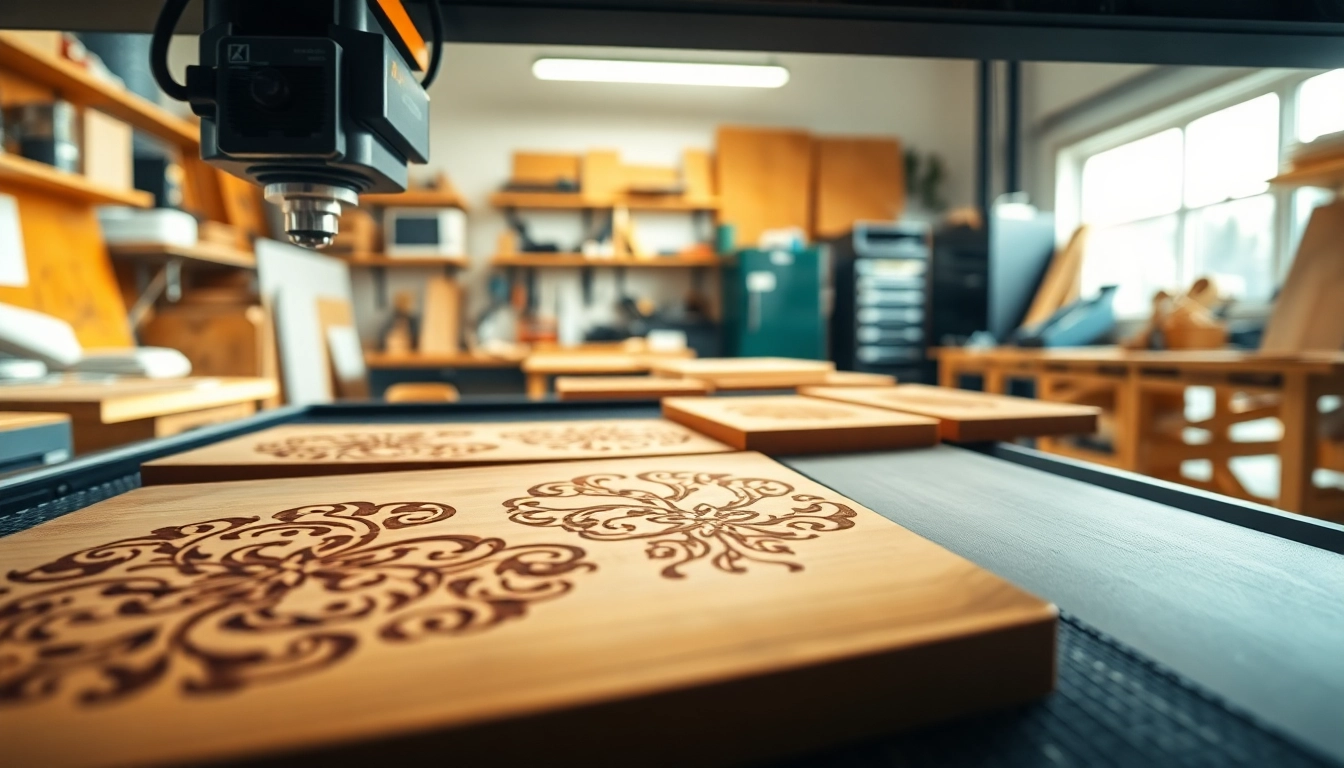
Custom laser design involves the precise use of laser technology to create intricate patterns, engravings, and cuts in a variety of materials. This process utilizes a laser cutting machine that can be programmed to produce detailed designs as per customer specifications. The versatility of laser cutting allows for applications in numerous industries, including manufacturing, crafts, and marketing. With custom laser design, individuals and businesses have the ability to transform their creative ideas into tangible products.
Key Applications of Custom Laser Design
Custom laser design is widely utilized across several sectors. Here are some prominent applications:
- Product Personalization: Businesses can create custom items like engraved gifts and awards, making products unique and memorable.
- Marketing Materials: Businesses can use custom laser engraving to produce branded materials like promotional items and signage that stand out.
- Architectural Models: Designers and architects use laser cutting to create precise models and prototypes for visual presentations.
- Creative Crafts: Hobbyists and artists leverage custom laser design for creating intricate artworks, home décor, and personalized crafts.
- Prototyping: Industries use laser cutting for rapid prototyping, allowing for quick adjustments and iterations in the design phase.
Advantages of Using Custom Laser Design
Choosing custom laser design provides numerous benefits:
- Precision: Laser technology allows for highly accurate cuts and engravings, capturing fine details that traditional methods may miss.
- Versatility: Various materials can be used, including wood, acrylic, glass, and metal, making it applicable to multiple projects.
- Efficiency: Automated processes mean faster production times and the ability to handle large volumes of work without sacrificing quality.
- Less Waste: Laser cutting produces minimal waste since the cuts are precise and require less material than traditional methods.
- Customization: Each design can be tailored to meet specific customer preferences, enhancing customer satisfaction.
Choosing the Right Material for Custom Laser Design
Best Materials for Laser Engraving
Selecting the right material is crucial for achieving optimal results in custom laser design. Here are some of the best materials to work with:
- Wood: Popular for home décor and gifts, wood is easy to engrave and offers a warm aesthetic.
- Acrylic: Lightweight and available in various colors, acrylic is a favorite for signage and awards.
- Leather: Used for personalized items such as wallets and bags, leather engraves beautifully and adds a premium touch.
- Metal: Common for items like trophies and industrial labels, metal can withstand heavy use and provides a sleek look.
- Glass: Ideal for decorative items and awards, glass engraving requires careful technique for best results.
Considerations for Material Thickness
The thickness of the material plays a vital role in determining the effectiveness of the laser cutting process. Thicker materials require more powerful lasers and longer cutting times, while thinner materials may cut through too quickly, causing burning or poor edges. Therefore, promptly assessing the desired depth and detail of your design is important. Consulting with a laser cutting service about material thickness can help ensure a successful project.
Environmental Impact of Materials
When selecting materials for custom laser design, it’s essential to consider the environmental implications. Here are some eco-friendly options:
- Bamboo: Fast-growing and biodegradable, bamboo is an excellent alternative to traditional wood.
- Recycled Acrylic: Using recycled acrylic reduces waste and minimizes environmental impact without sacrificing quality.
- Organic Materials: Choosing sustainably sourced woods helps mitigate deforestation and promotes eco-friendly practices.
Designing Effective Custom Laser Design Projects
Software Options for Your Custom Laser Design
A variety of software options are available for designing custom laser projects:
- Adobe Illustrator: Widely used by professionals, Illustrator allows for intricate vector designs suitable for laser cutting.
- Inkscape: A free, open-source alternative that provides powerful design tools for creating precise vector graphics.
- CorelDRAW: Offers comprehensive design features specifically tailored for laser cutting applications.
- LightBurn: Focused on laser engraving, this software optimizes the user experience for easy design transfer and modifications.
Best Practices in Design Creation
To ensure a quality product, follow these design best practices:
- Resolution: Use high-resolution images to guarantee clarity in the final engraved design.
- Color Mode: Set your design to grayscale to facilitate a clearer engraving process, especially for photographic images.
- Use Vector Graphics: Vector graphics maintain their quality regardless of size, making them ideal for laser cutting projects.
- Design for the Medium: Consider the texture and properties of the material when designing to avoid unwanted results.
Common Design Mistakes to Avoid
Avert common pitfalls that could compromise your project outcome:
- Ignoring Material Limitations: Understand your material’s properties and limitations to avoid engraving issues.
- Overly Intricate Designs: Excessive details in designs can lead to practicality issues in cutting and engraving.
- Neglecting Test Cuts: Always perform test cuts on sample materials to refine your settings before the final run.
Setting Up Your Laser Cutting Workspace
Essential Equipment for Custom Laser Design
A well-equipped workspace is crucial for successful custom laser design. Necessary equipment includes:
- Laser Cutting Machine: A high-quality laser engraver is essential for precise cuts and engravings.
- Computer: For design work, ensure you have a capable computer that can run necessary design software smoothly.
- Ventilation System: Quality ventilation is critical to manage fumes and ensure a safe working environment.
- Protective Gear: Safety glasses and proper work attire are essential to protect you during the laser cutting process.
Workspace Organization Tips
Effective workspace organization can enhance productivity and safety:
- Categorize Tools: Keep tools organized based on their purpose for quicker access.
- Maintain Cleanliness: Regularly clean your workspace to prevent fire hazards associated with flammable materials.
- Create Workflow Zones: Designate areas for design, cutting, assembly, and finishing tasks to streamline the process.
Safety Protocols in Laser Design
Adherence to safety protocols is critical when working with laser technology:
- Follow Manufacturer Guidelines: Always refer to equipment manuals for safe operation procedures.
- Use Safety Equipment: Employ necessary personal protective equipment, including masks and goggles.
- Monitor Fumes: Ensure proper fume extraction to prevent health issues from inhalation of hazardous materials.
- Emergency Preparedness: Keep a fire extinguisher and first aid kit on hand and familiarize yourself with their locations.
Market Trends in Custom Laser Design
Emerging Technologies in Laser Design
The custom laser design field is continuously evolving with technological advancements. Key trends include:
- 3D Laser Printing: Combining 3D printing with laser cutting opens new possibilities for complex structures and designs.
- AI Integration: Artificial intelligence is being utilized in design software to automate and enhance creative processes.
- Mobile Laser Units: Portable laser machines allow for on-site engraving and cutting, adding convenience for businesses.
- IoT Applications: The integration of Internet of Things (IoT) technology allows for remote operation and monitoring of laser machines.
Consumer Preferences for Custom Laser Products
Understanding consumer trends is essential for staying relevant in the custom laser design market:
- Customization: Consumers increasingly favor personalized products that reflect their identities and stories.
- Sustainable Options: Buyers are opting for eco-friendly materials and processes, contributing to a greener market.
- Quality Over Price: Customers are willing to pay a premium for high-quality products that demonstrate craftsmanship.
How to Stay Ahead in the Custom Laser Design Market
To remain competitive, consider these strategies:
- Continuous Learning: Stay updated on technology and design trends through workshops, webinars, and industry publications.
- Networking: Engage with peers and potential clients through industry forums and social media to foster valuable connections.
- Invest in Quality Equipment: Upgrade your tools and software regularly to enhance your production capabilities and efficiency.
Frequently Asked Questions
1. What materials are best for laser engraving?
Common materials include wood, acrylic, leather, and metal. Each offers unique aesthetics and practical applications.
2. How do I prepare a design for laser engraving?
Use vector graphics software to create high-resolution designs and ensure correct file formats. Test cuts are essential.
3. Is custom laser design environmentally friendly?
Yes, using sustainable materials like bamboo or recycled acrylic can minimize environmental impact while ensuring high-quality outputs.
4. Can I use photos for laser engraving?
Yes, but convert them to grayscale and adjust for contrast to achieve optimal results during the engraving process.
5. What safety precautions should I take while laser cutting?
Wear protective gear, ensure proper ventilation, and follow safety protocols outlined in the equipment manuals.