What is an A19 Light Bulb?
In contemporary lighting solutions, the A19 light bulb has emerged as a popular choice for various applications, ranging from residential to commercial use. If you’re exploring options for energy-efficient lighting, you may wonder what is an a19 light bulb and how it can meet your needs. In this article, we will dive deep into the nuances of A19 bulbs, emphasizing their characteristics, history, benefits, and practical usage.
Definition and Characteristics
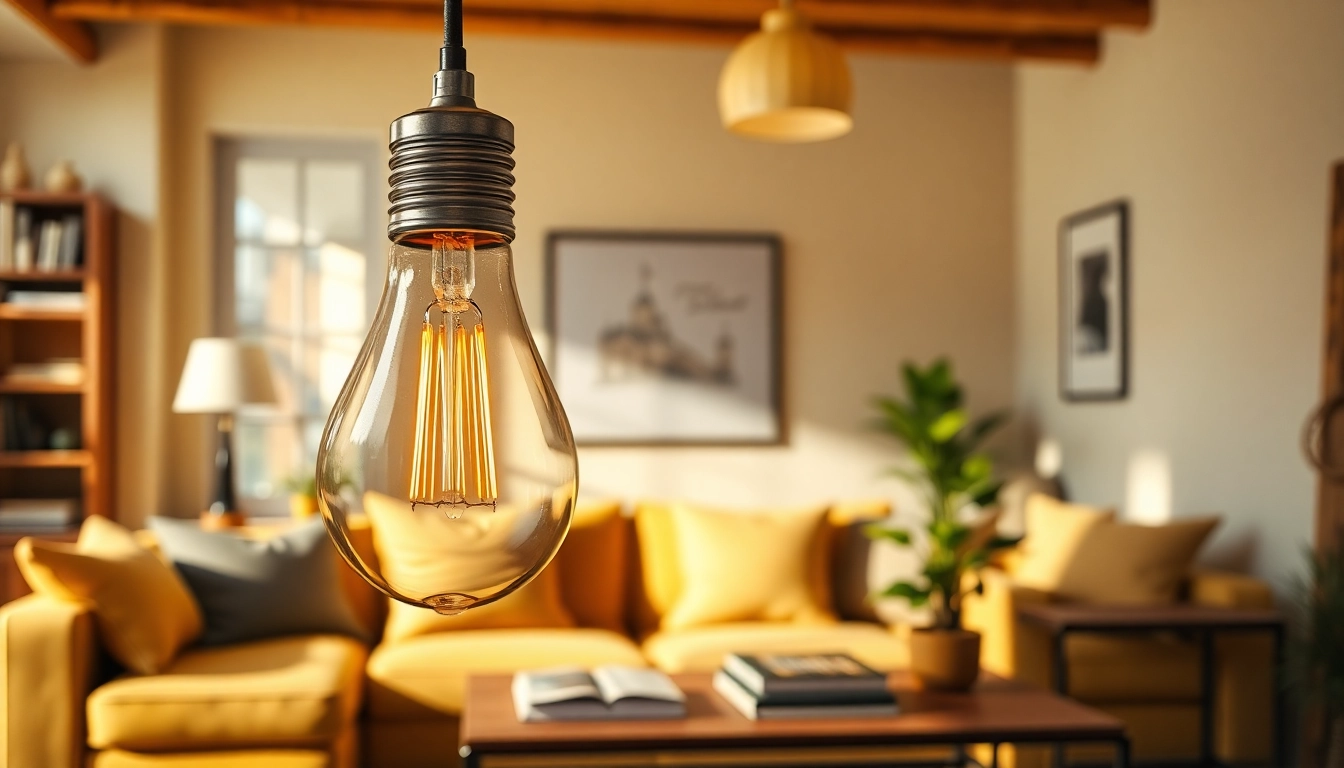
The “A” in A19 stands for “Arbitrary,” with the number “19” indicating the maximum diameter of the bulb in eighths of an inch. Therefore, an A19 bulb has a diameter of 2.375 inches (19/8 inches). This bulb configuration is well-regarded for its versatility in design and application, featuring a standard medium base known as E26 in the United States. A19 bulbs are available in a variety of technologies, including incandescent, compact fluorescent (CFL), and light-emitting diode (LED).
From a characteristic perspective, A19 bulbs typically deliver an omnidirectional light output, ensuring that the light spreads evenly across a room. Most A19 bulbs are available in different wattages and lumen outputs, allowing consumers to choose the level of brightness that best fits their needs. Furthermore, the light produced can range in color temperature, providing a range of lighting atmospheres, from warm white to cool daylight.
Historical Context of A19 Bulbs
The evolution of the A19 light bulb has witnessed significant milestones. Originally designed in the late 19th century, incandescent bulbs accounted for the bulk of lighting technology until more energy-friendly alternatives began to emerge. The compact fluorescent (CFL) bulb came into the spotlight in the 1980s, offering a more energy-efficient option. However, it was the advent of LED technology in the late 2000s that revolutionized the A19 market.
LED A19 bulbs burst onto the scene with vastly improved energy efficiency and longer lifespans, compelling consumers to reconsider their incandescent and CFL counterparts. The historical transition highlights a growing awareness of sustainability and energy conservation, making the A19 series of bulbs a focal point in modern lighting discussions.
Common Uses of A19 Light Bulbs
Due to their familiar shape and various wattages, A19 bulbs are widely used in numerous settings. Common uses include:
- Residential Applications: A19 bulbs are a staple in living rooms, bedrooms, and kitchens. They are often found in ceiling fixtures, table lamps, and wall sconces.
- Retail and Commercial Spaces: Stores frequently utilize A19 bulbs to enhance the shopping experience, creating inviting and visually stimulating environments.
- Specialty Settings: A19 bulbs can also serve specific purposes, such as decorative lighting in restaurants or mood lighting events.
Benefits of A19 Light Bulbs
A19 light bulbs offer numerous advantages that make them an appealing choice for various lighting needs.
Energy Efficiency Compared to Incandescent Bulbs
One of the key benefits of A19 light bulbs, particularly those utilizing LED technology, is their energy efficiency. Traditional incandescent bulbs typically convert only about 10% of the energy they consume into visible light, wasting the remainder as heat. In contrast, LED A19 bulbs can achieve efficiencies of up to 90%. This significant reduction in energy consumption translates not only into lower electricity bills but also a reduced carbon footprint.
As governments and organizations push for energy conservation, the transition to energy-efficient A19 bulbs has become a priority, further encouraging a shift in consumer behavior toward more sustainable practices.
Longevity and Durability of A19 Bulbs
Another noteworthy advantage of A19 light bulbs, especially LEDs, is their impressive lifespan. While traditional incandescent bulbs may last about 1,000 hours, LED A19 bulbs commonly have a lifespan of 15,000 hours or more. This stark contrast results in less frequent replacements and a reduced waste burden. Additionally, LEDs are less prone to breaking compared to glass incandescent bulbs, making them a safer option, especially in households with children or pets.
Variety of Light Temperature Options
A19 light bulbs offer consumers a range of color temperature options measured in Kelvins (K). From a soft white (2700K) that creates a cozy atmosphere to bright daylight (5000K) ideal for task-oriented settings, the versatility of light temperature makes A19 bulbs suitable for various applications. Warm light is preferred in intimate spaces, while cooler light may enhance concentration in workspaces.
How to Choose the Right A19 Light Bulb
Choosing the right A19 light bulb can significantly affect the look and feel of a space. Below are critical factors to consider.
Understanding Wattage and Brightness
Wattage indicates the energy consumption of a light bulb; however, it does not give a clear picture of brightness. Lumens are the measurement unit that determines brightness. When selecting an A19 bulb, consider your requirement: between 450 and 800 lumens is adequate for ambient lighting in an average room, while higher lumen outputs are better suited for task lighting or brighter spaces.
For example, an 800-lumen bulb typically consumes around 10-12 watts when it comes to LED technology, which demonstrates the significant energy savings compared to the traditional incandescent counterpart working at approximately 60 watts.
Selecting Color Temperature for Your Needs
As mentioned, the color temperature of an A19 bulb can greatly influence a room’s ambiance. When choosing a bulb, assess the intended use of the space. For relaxing areas such as bedrooms or living rooms, a warm white (2700K) is advisable. Conversely, cooler temperatures (4000K-5000K) are more fitting for areas requiring focus, like kitchens or home offices.
Environmental Impact Considerations
As consumers grow increasingly conscious of their environmental choices, picking A19 bulbs aligns with eco-friendly practices. LEDs are free from toxic substances like mercury, prevalent in CFLs. Additionally, opting for long-lasting options reduces landfill waste, further contributing to an eco-conscious lifestyle. It’s vital to consider the entire lifecycle of a product, from energy consumption to disposal, while selecting your lighting solutions.
Installation Tips for A19 Light Bulbs
Installing A19 light bulbs is often simple, but specific precautions can ensure optimal functioning and safety.
Steps for Safe Installation
To install an A19 light bulb safely:
- Ensure that the power is turned off to the corresponding light fixture.
- Remove the old bulb by unscrewing it counterclockwise.
- Take the new A19 bulb and position it into the socket carefully.
- Turn the bulb clockwise until it is securely in place.
- Restore power and test the light.
Common Mistakes to Avoid
When installing A19 bulbs, avoid these common pitfalls:
- Using excessive force when screwing in the bulb can lead to breakage.
- Neglecting to ensure the power is off increases safety risks.
- Incompatible fixtures may pose fitting challenges; always check the specifications before purchasing.
Compatibility with Light Fixtures
A19 bulbs are generally compatible with most standard light fixtures, but it’s essential to verify the fixture’s specifications. Some dimmable A19 LEDs require compatible dimmer switches to work effectively without flickering. Understanding compatibility can enhance your lighting experience and extend the life of your bulbs.
FAQs About A19 Light Bulbs
What is the difference between A19 and A21 bulbs?
A19 bulbs have a diameter of 2.375 inches, while A21 bulbs are 2.625 inches wide. The A21 provides more light output and brightness due to its larger size.
Are A19 bulbs dimmable?
Yes, many A19 LED bulbs are dimmable, but it is crucial to ensure compatibility with your dimmer switch for optimal performance.
What types of fixtures use A19 light bulbs?
A19 bulbs fit a variety of fixtures, including table lamps, floor lamps, ceiling lights, and wall sconces, achieving versatile lighting designs.
How do I recycle A19 light bulbs?
While A19 incandescent bulbs can be disposed of in regular trash, LED and CFL bulbs should be recycled at designated facilities due to hazardous materials.
What is the average lifespan of an A19 LED bulb?
An A19 LED bulb typically lasts about 15,000 to 25,000 hours, significantly longer than traditional incandescent options, making them cost-effective.