Understanding Track Inspection
What is Track Inspection?
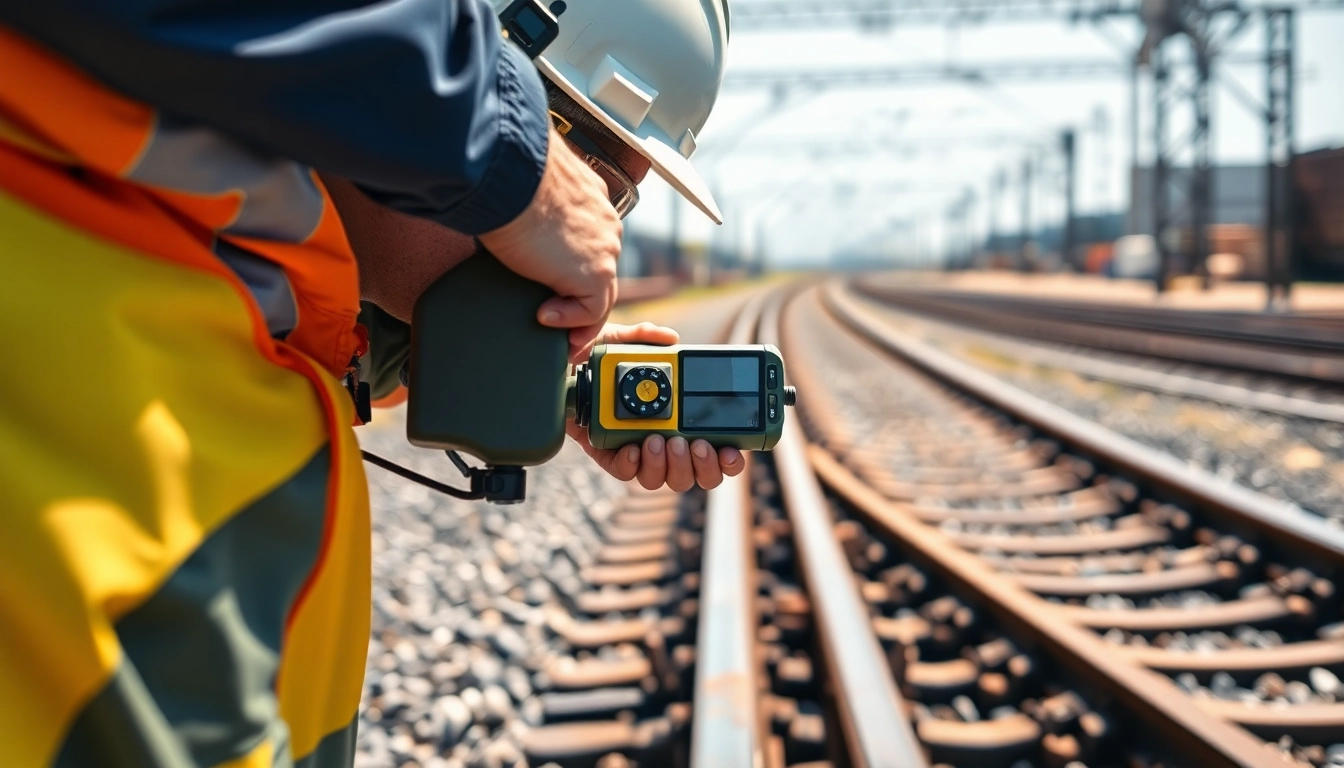
Track Inspection is a vital maintenance practice that involves assessing the condition and safety of railway tracks. It encompasses various procedures aimed at identifying defects, ensuring compliance with safety regulations, and ultimately enhancing the performance and longevity of rail infrastructure. Inspections can be carried out using a combination of visual assessments, technological tools, and automated systems, highlighting the need for a comprehensive understanding of both the methodologies and technologies involved. Regular Track Inspection is essential for minimizing risks and optimizing the operational efficiency of railway networks.
Importance of Regular Track Inspections
Maintaining a reliable railroad system comports significant operational continuity, safety, and efficiency. Regular track inspections help in:
- Detecting potential hazards before they manifest into serious issues, thus preventing train derailments or accidents.
- Complying with legal and regulatory standards for rail safety, which can avert costly penalties and enhance the company’s reputation.
- Establishing a proactive maintenance strategy that can extend the life of the railway infrastructure, leading to reduced costs over time.
- Improving the overall performance of rail services, which is essential for customer satisfaction and operational efficiency.
Key Tools Used in Track Inspection
The tools used in track inspection range from simple hand tools to sophisticated electronic devices. Key tools include:
- Measuring Equipment: Such as alignment gauges and levelers to maintain track geometry.
- Ultrasonic Testing Tools: For detecting internal defects in rails without causing damage.
- Track Geometry Cars: Automated systems that record track measurements while trains operate.
- Cameras and Drones: For capturing high-resolution images and video footage of track conditions.
Methods of Track Inspection
Visual Inspection Techniques
Visual inspection remains one of the most straightforward yet effective methods of assessing track condition. Trained personnel visually survey the track for signs of wear or damage, including track alignment, rail surface conditions, and joint integrity. Key techniques include:
- Walking Inspections: Inspectors physically walk along the track to visually assess its condition.
- Photo Documentation: Capturing images of areas of concern to track degradation over time.
- Night Inspections: Utilizing special lighting to inspect tracks during low visibility periods.
This method requires skilled personnel who can quickly identify irregularities and recommend appropriate actions.
Non-Destructive Testing Methods
Non-destructive testing (NDT) methods are essential for examining rails and track components without causing any damage. These techniques allow for the identification of flaws that could result in safety hazards. Prominent NDT methods include:
- Ultrasonic Testing: Uses high-frequency sound waves to detect internal flaws in the rail material.
- Magnetic Particle Testing: Identifies surface and near-surface defects in ferromagnetic materials using magnetic fields.
- Radiography: Employs X-rays or gamma rays to visualize internal structures for potential defects.
By adopting NDT methods, track maintenance teams can enhance their preventive maintenance protocols, reducing the likelihood of failures.
Automated Track Inspection Systems
With advancements in technology, automated track inspection systems are becoming increasingly commonplace. These systems leverage state-of-the-art sensors and imaging technology to conduct thorough inspections with minimal human intervention. Key features include:
- High-Speed Data Collection: Automated systems can record vast amounts of data while trains are in motion, minimizing downtime.
- Real-Time Analytics: Some systems offer real-time data analysis, allowing for immediate decision-making.
- Integration with Maintenance Management Systems: Facilitates tracking and management of track conditions, leading to a more organized maintenance process.
The use of automated systems not only streamlines operations but also minimizes human error associated with manual inspections.
Best Practices for Conducting Track Inspection
Pre-Inspection Preparation
Before conducting track inspections, adequate preparation is essential. This includes:
- Gathering necessary documentation, including past inspection reports and current maintenance records.
- Scheduling inspections during low-traffic periods to ensure safety and minimal disruption.
- Ensuring that all inspection tools and equipment are calibrated and in good working order.
- Conducting a risk assessment to identify potential hazards before the inspection begins.
Effective preparation can significantly enhance the quality and efficiency of the inspection process.
Field Procedures for Accurate Inspections
Consistency in field procedures is essential for comprehensive inspections. This includes:
- Documenting each inspection in detail, including photographs, measurements, and notes on observed conditions.
- Following a standardized checklist to ensure that no critical elements are overlooked during inspections.
- Collaborating with other team members during inspections for consensus on crucial issues observed.
By adhering to these field procedures, track inspection teams can guarantee that they are thorough and accurate in their evaluations.
Safety Protocols to Follow
Safety should always be the highest priority during track inspections. Implementing robust safety protocols includes:
- Establishing a clear communication plan among team members.
- Utilizing appropriate personal protective equipment (PPE) to guard against hazards.
- Conducting a briefing session on site-specific hazards and emergency protocols.
Ensuring that safety measures are in place fosters a secure working environment for inspectors.
Common Challenges in Track Inspection
Environmental Factors Affecting Inspections
Environmental factors such as weather conditions, vegetation growth, and seasonal changes can greatly influence the effectiveness of track inspections. Rain, snow, and extreme temperatures can obscure visual inspections and affect equipment performance. Additionally, overgrown vegetation may obstruct views of critical track components, creating hidden risks.
Technological Limitations
While technology has revolutionized track inspection, it is not without its challenges. Limitations may include:
- High costs associated with advanced technologies can be a prohibitive factor for some organizations.
- Training requirements for personnel to effectively utilize and understand newer technologies.
- Potential for equipment failure or inaccuracies that might lead to undetected issues.
Organizations must weigh the benefits against these challenges when integrating new technologies into their inspection processes.
Data Analysis and Interpretation Challenges
Analyzing and interpreting data collected from inspections can be complex. Challenges include:
- Dealing with large volumes of data that may overwhelm traditional analysis methods.
- Ensuring accurate interpretation of results, especially when multiple inspection methods are employed.
- Integrating data from various systems for a comprehensive view of track conditions.
Developing a robust data management strategy can mitigate these challenges, allowing organizations to make informed maintenance decisions.
Future Trends in Track Inspection
Emerging Technologies in Track Inspection
As technology continues to evolve, various emerging technologies are reshaping how track inspections are conducted. Innovations such as:
- 3D Imaging: Provides a detailed visual of the track structure, allowing for more effective inspections and planning.
- Wearable Technology: Assists inspectors with real-time data collection and connectivity to central databases.
- IoT Sensors: Embed sensors along the tracks to continuously monitor conditions and signal maintenance needs.
The implementation of these technologies can greatly enhance inspection accuracy and response times.
Integration of AI in Track Inspection Processes
Artificial intelligence is transforming track inspection by enabling predictive maintenance strategies. Key aspects include:
- Data Analytics: Leveraging AI algorithms to analyze behavioral patterns and predict when maintenance should occur.
- Automated Reporting: Utilizing AI to generate condition reports, minimizing human error in documentation.
- Visual Recognition: Implementing AI-enabled image recognition to identify defects in real-time.
This integration leads to more proactive maintenance approaches, thereby advancing rail safety.
The Future of Rail Safety and Maintenance
The future of rail safety and maintenance is poised for innovation with track inspection technology at its core. Improved maintenance strategies, driven by data and technology, can lead to operational improvements, reduced costs, and enhanced safety. Furthermore, as public and regulatory pressures for safety intensify, investment in cutting-edge inspection techniques will be paramount. Rail systems will likely adopt comprehensive strategies that integrate traditional inspection techniques with advanced technologies and data analytics to optimize performance and reliability.
FAQs about Track Inspection
What is the purpose of track inspection?
The purpose of track inspection is to assess the condition and safety of railway tracks to prevent accidents, ensure compliance with regulations, and maintain operational efficiency.
How often should track inspections be conducted?
Track inspections should typically be conducted on a regular schedule, generally ranging from weekly to monthly, depending on usage, environmental conditions, and regulatory requirements.
What tools are essential for track inspections?
Essential tools for track inspections include measuring equipment, ultrasonic testing devices, track geometry cars, and cameras or drones for visual assessment.
What are the challenges faced during track inspections?
Challenges include environmental factors affecting visibility, technological limitations, and difficulties in analyzing and interpreting inspection data effectively.
How is AI changing track inspection processes?
AI changes track inspection by enabling predictive maintenance, automating reporting, and utilizing visual recognition for real-time defect detection, improving safety and efficiency.