Understanding Railway Maintenance
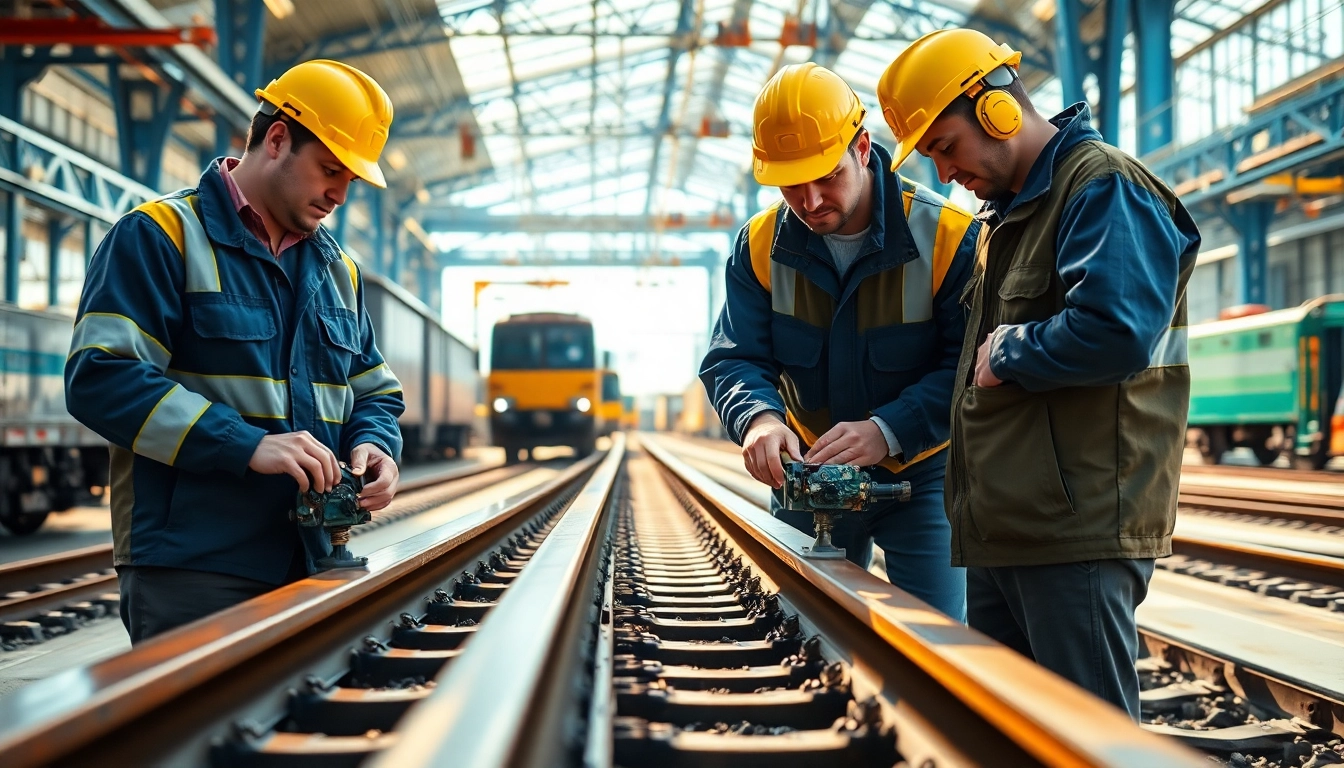
Railways are a crucial aspect of transportation infrastructure, essential for the efficient movement of goods and passengers across regions. As such, railway maintenance becomes a critical issue, ensuring both safety and reliability. Effective railway maintenance encompasses a wide array of activities designed to preserve and improve the condition of track structures, rolling stock, and associated systems. This article delves into the importance of railway maintenance, its key components, and the challenges involved in maintaining this extensive infrastructure.
Importance of Railway Maintenance
Railway maintenance is not merely an operational necessity; it’s vital for ensuring safe and efficient rail transport. Regular maintenance activities help prevent accidents, reduce repair costs, and extend the lifespan of railway assets. Moreover, effective maintenance increases customer satisfaction by minimizing delays and ensuring reliable service. The vital importance of railway maintenance cannot be overstated, as it directly correlates with the overall quality and safety of rail operations.
Key Components of Railway Infrastructure
Railway infrastructure comprises several critical components, each requiring distinctive maintenance strategies:
- Tracks: This includes rails, ties, ballast, and signaling systems, all of which must be regularly inspected and maintained to ensure structural integrity.
- Rolling Stock: Trains and carriages must be serviced to maintain their operational effectiveness and passenger comfort.
- Stations and Facilities: Terminals, maintenance depots, and passenger facilities also require ongoing upkeep to ensure safety and usability.
Challenges in Railway Maintenance
Despite its importance, railway maintenance faces numerous challenges:
- Funding limitations: Many rail systems operate under tight budgets, limiting resource allocation for maintenance.
- Technological demands: Keeping up with advancing technologies in railway maintenance tools and practices can be resource-intensive.
- Safety regulations: Compliance with increasingly stringent safety regulations often complicates maintenance processes.
Types of Railway Maintenance
Preventive Maintenance Strategies
Preventive maintenance involves routine inspections and scheduled servicing to prevent equipment failures. Examples include regular track inspections to detect wear and tear and scheduled overhauls of rolling stock. Implementing such strategies can significantly reduce long-term operational costs and enhance system reliability.
Corrective Maintenance Techniques
When faults are identified, corrective maintenance techniques come into play. This includes repairing or replacing damaged railway components after failures occur. Rapid response to maintenance needs is critical in minimizing downtime and ensuring service continuity.
Predictive Maintenance Technologies
Advancements in technology have led to the emergence of predictive maintenance. This strategy employs data analytics and condition monitoring to forecast equipment failures before they occur. Techniques like vibration analysis, ultrasound inspections, and thermal imaging are commonly used to assess the health of railway assets.
Best Practices in Railway Maintenance
Regular Inspections and Monitoring
Incorporating regular inspections as a standard practice is essential. Utilizing technologies such as drone inspections or automated track monitoring systems enhances the frequency and accuracy of these evaluations. Regular assessments allow for timely interventions, improving overall safety and operational effectiveness.
Adopting Advanced Technologies
Modernizing maintenance efforts with advanced technologies such as AI-driven analytics can drastically improve efficiency. Integrating machine learning algorithms can help identify patterns in maintenance needs, allowing rail operators to prioritize resource allocation effectively.
Effective Training and Safety Protocols
Staff training is crucial in maintaining high safety and operational standards. Implementing comprehensive training programs ensures that personnel can effectively utilize modern maintenance tools and adhere to safety protocols, reducing the risk of accidents on the rail network.
Impact of Railway Maintenance on Operational Efficiency
Cost Reduction through Efficient Maintenance
Effective maintenance strategies can lead to substantial cost savings. By addressing issues before they escalate into major problems, rail operators can avoid extensive repair costs and service interruptions. Moreover, predictive maintenance can optimize inventory management, reducing costs associated with spare parts.
Improving Safety Standards
The primary goal of railway maintenance is to ensure safety. Regular and thorough inspections minimize the risk of accidents, significantly enhancing passenger trust and operational reliability. Compliance with safety regulations also protects railway companies from legal repercussions and enhances their public image.
Enhancing Customer Satisfaction
Customer satisfaction is directly influenced by the reliability of railway services. Timely maintenance reduces delays, leading to on-time train schedules and improved overall passenger experiences. Satisfied customers are more likely to use rail services frequently, promoting further investment in infrastructure and services.
Future Trends in Railway Maintenance
Emerging Technologies in Railways
The future of railway maintenance is poised to be shaped by emerging technologies, including the Internet of Things (IoT) and real-time monitoring systems. These innovations will provide continuous insights into asset conditions, leading to smarter decision-making in maintenance operations and enhancing safety protocols.
Sustainability Practices in Railway Maintenance
As the global focus on sustainability grows, incorporating eco-friendly practices into railway maintenance becomes increasingly relevant. This includes utilizing sustainable materials for repairs and optimizing maintenance schedules to reduce carbon footprints during operations. Implementing recycling initiatives for old rail components can also contribute to sustainability goals.
The Role of Data Analytics
Data analytics will play a central role in shaping the future of railway maintenance. By analyzing large data sets from inspections and operational performance, rail operators can identify inefficiencies and improve maintenance schedules. This data-driven approach enables proactive decision-making, ultimately leading to enhanced operational resilience.
FAQs About Railway Maintenance
What is railway maintenance?
Railway maintenance refers to the systematic upkeep and repair of railway infrastructure and rolling stock to ensure safety and reliability in operations.
Why is railway maintenance important?
It is vital for preventing accidents, reducing repair costs, extending asset life, and improving customer satisfaction by ensuring timely and safe transport services.
What are common types of maintenance strategies in railways?
Common strategies include preventive, corrective, and predictive maintenance, each serving to enhance system reliability and efficiency.
How can technology improve railway maintenance?
Technology can enhance maintenance through data analytics, condition monitoring, and advanced tools for inspections, leading to more accurate and efficient maintenance processes.
What role does training play in railway maintenance?
Training ensures that maintenance personnel are equipped with the knowledge to use modern tools and adhere to safety protocols, maximizing operational safety and effectiveness.