Understanding Construction Site Safety
Ensuring construction site safety is paramount for protecting workers, clients, and the general public. Construction sites are inherently risky environments where heavy machinery, hazardous materials, and complex operations intersect. By understanding safety protocols and regulations, we can effectively minimize risks and foster a safer working environment. This article delves deeply into the components of construction site safety, including regulations, risks, necessary equipment, training, management systems, and emergency preparedness.
Importance of Construction Site Safety Regulations
The foundation of safety on construction sites lies within established regulations. Regulatory bodies, such as the Occupational Safety and Health Administration (OSHA) in the United States, create and enforce standards to protect workers. These regulations play a crucial role in promoting safety practices, driving compliance, and minimizing workplace injuries and fatalities. Adherence to safety regulations is not merely a legal obligation; it reflects a commitment to responsible business practices.
Prioritizing safety can yield significant benefits, including reduced accident rates, lower insurance premiums, and improved employee morale. Companies that invest in safety often experience increased productivity, as employees feel valued and secure in their working environments. Additionally, a positive safety record enhances a company’s reputation and can be a distinguishing factor in securing contracts.
Common Risks on Construction Sites
Understanding potential hazards is vital for mitigating risks associated with construction sites. The most common risks include:
- Falls: Falls from heights, whether from scaffolding or ladders, are among the leading causes of workplace fatalities.
- Electrocution: Contact with overhead power lines or faulty wiring poses significant electrocution risks.
- Being Struck By Objects: Workers can be injured by falling tools, machinery, or materials.
- Equipment-Related Injuries: Heavy machinery operation without following safety protocols can lead to severe accidents.
- Exposure to Hazardous Materials: Materials such as asbestos or chemicals can present long-term health risks.
Overview of Safety Protocols
Safety protocols on construction sites encompass a variety of practices designed to protect workers. This includes implementing safety checklists, ensuring proper labeling of hazardous materials, and conducting regular safety audits. Furthermore, adaptations such as utilizing barriers to delineate safe and unsafe zones or employing signage can provide visual reminders of safety requirements.
Establishing a reporting system for near misses or hazards encourages open communication and proactive measures to prevent accidents. Regular safety meetings to discuss issues, share experiences, and update training can also strengthen site safety while fostering a communal responsibility towards maintaining a safe workplace.
Essential Safety Equipment for Construction Sites
Types of Personal Protective Equipment (PPE)
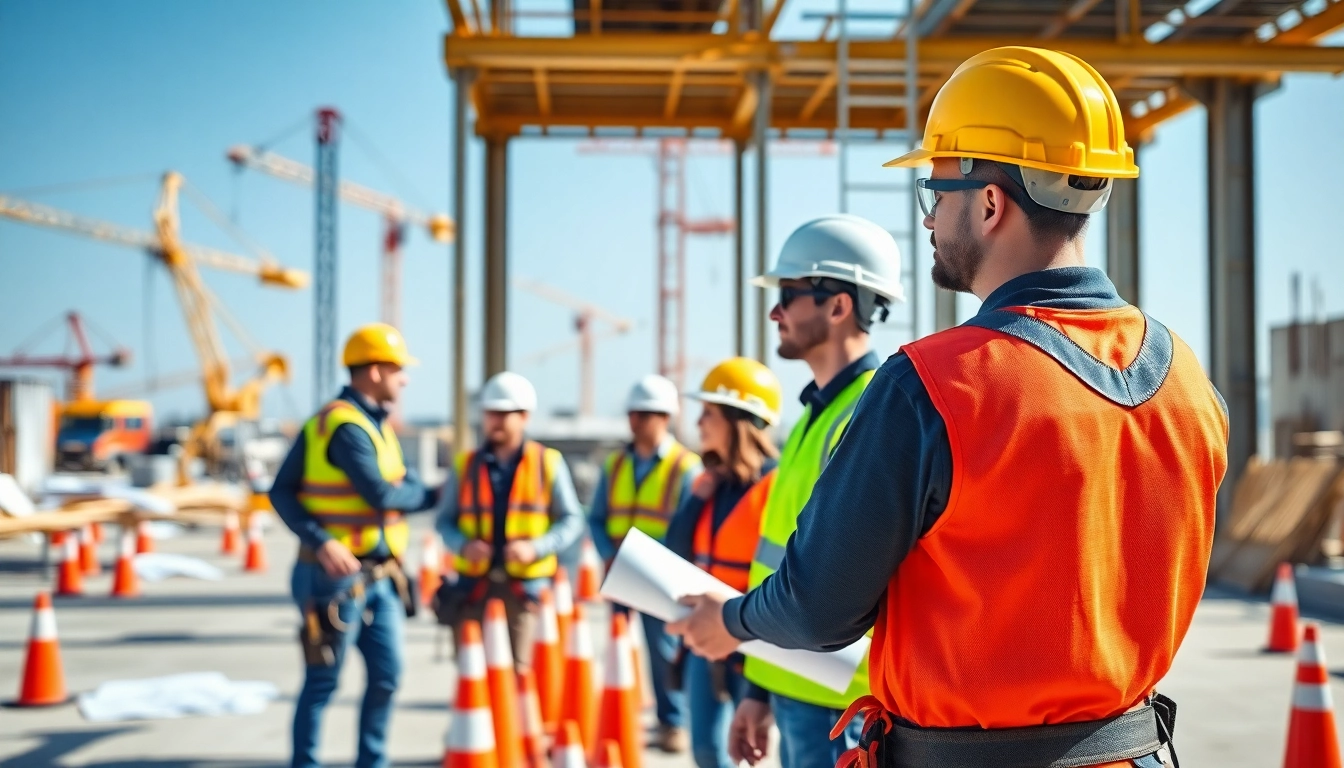
The use of Personal Protective Equipment (PPE) is indispensable on construction sites. Key types include:
- Hard Hats: These protect against head injuries from falling debris.
- High-Visibility Vests: Bright colors ensure that workers are visible to machinery operators and other personnel.
- Safety Glasses: Protect eyes from flying particles and hazardous liquids.
- Hearing Protection: Earplugs or earmuffs safeguard against noise-induced hearing loss in loud environments.
- Steel-Toed Boots: Footwear designed to protect feet from heavy objects.
Tools and Machinery Safety Measures
The safety of tools and machinery is critical on construction sites. Regular maintenance checks and inspections commit to a higher safety standard. Each tool should have clear operating procedures and workers need training on how to use tools properly. Lockout/tagout procedures are essential for ensuring that equipment is not operational during maintenance, thereby preventing accidents.
It is also crucial to ensure that tools are appropriate for specific tasks; using the right tool can drastically reduce the risk of injury. For example, using a ladder suited for the job can prevent falls, just as specialized power tools with safety features minimize risks during operation.
Choosing the Right Safety Gear
Selecting the appropriate safety gear is essential for effective risk management. Workers should assess the risks associated with their specific job roles and choose the necessary PPE accordingly. Factors to weigh include the type of work, the environment, and the duration of exposure to hazards.
Employers must provide training on how to properly use and maintain safety gear. Regularly reviewing equipment for wear and tear is also necessary, as compromised safety gear can lead to accidents. Workers must feel empowered to report any defects to ensure everyone’s safety on site.
Training and Education for Site Workers
Mandatory Safety Training Programs
Mandatory safety training programs are required for every worker on a construction site. These programs must cover essential topics, such as hazard recognition, emergency procedures, and the correct use of PPE. New employees must complete a comprehensive orientation that includes site-specific safety guidelines.
In many jurisdictions, compliance is legally mandated, and failure to adhere can lead to significant penalties. Regular refresher courses help to keep safety procedures fresh in workers’ minds and adjust for any changes in regulations or practices.
Continuous Education and Certifications
Continuous education fosters an environment of safety consciousness among construction workers. Ongoing certifications allow individuals to stay up-to-date with the latest safety practices and evolving regulations. Many organizations also offer specialized courses, such as First Aid/CPR, fall protection, or confined spaces training, that enhance the capabilities of the workforce.
Investing in continuous education not only safeguards lives but also enriches the skill set of workers, ultimately benefiting the individual and the organization alike.
Creating a Safety Culture On-Site
A strong safety culture is vital for the success of construction site safety initiatives. This begins with leadership setting a positive example, emphasizing the importance of safety in all aspects of the work. When management demonstrates a commitment to safety, it often inspires workers to prioritize their well-being.
Encouraging open dialogue about safety concerns and recognizing safe work practices can further reinforce a culture of safety. Feedback and suggestions on safety practices should be welcomed from all workers, creating a sense of ownership and responsibility toward collective safety.
Implementing Safety Management Systems
Components of an Effective Safety Management Plan
An effective safety management plan integrates various components that contribute to overall site safety. This includes risk assessments, safety audits, and incident reporting procedures. Teams should thoroughly document all safety procedures and regularly review these documents to update any changes or new findings.
Importantly, communication plays a significant role within safety management. Clear lines of communication for reporting hazards and seeking safety information must be established, ensuring that all team members feel empowered to contribute to workplace safety.
Benefits of Digital Safety Tracking Tools
Digital technologies have revolutionized the way safety is managed on construction sites. Managing safety protocols through software tools allows for real-time tracking, reporting, and analysis of safety-related data. These systems can streamline incident reporting processes, conduct risk assessments, and maintain safety documentation.
Utilizing digital tools can lead to better data insights and identification of trends, ultimately enhancing decision-making processes related to safety. Real-time feedback allows for immediate adjustment to safety protocols, which can prevent potential safety breaches.
Monitoring Safety Performance Metrics
Measuring safety performance through various metrics is essential for continuous improvement. Common metrics include incident rates, near misses, and the frequency of safety training sessions. By regularly analyzing this data, organizations can identify trends, evaluate the effectiveness of safety measures, and pinpoint areas needing improvement.
Utilizing performance metrics not only aids in enhancing safety procedures but also bolsters accountability among workers and management alike. Setting safety performance targets can provide a goal-oriented approach to achieving superior safety outcomes.
Emergency Preparedness and Response
Creating Emergency Action Plans
Emergency action plans are essential for preparing construction sites for unexpected events. These plans should be detailed and include specific protocols for different types of emergencies, such as fires, medical emergencies, and severe weather conditions. Every worker must be aware of the emergency protocols, escape routes, and the location of emergency equipment, such as first aid kits and fire extinguishers.
Regularly reviewing and practicing those plans ensures that everyone is prepared in the event of an emergency, which can drastically reduce injury and loss of life.
Simulating Emergency Drills on Construction Sites
Regular emergency drills help to reinforce the effectiveness of emergency action plans. Drills should be scheduled regularly, taking into consideration various scenarios that workers might encounter. The effectiveness of the drill should be evaluated, with feedback solicited from participants to identify any potential improvements.
Simulating a range of emergencies helps instill a sense of readiness and urgency among workers, reinforcing the importance of compliance with established protocols during real emergencies.
Evaluating Emergency Response Effectiveness
Post-emergency evaluations should be a standard procedure after any incident occurs. Assessing the effectiveness of the emergency response can highlight successes and areas in need of improvement. Factors to evaluate include response time, communication efficiency, and resource utilization during the incident.
Utilizing this information can help refine emergency plans, ensuring that future responses are even more efficient and effective, ultimately minimizing harm and disruption during actual emergencies.
Frequently Asked Questions
What are the key components of construction site safety?
The key components include understanding safety regulations, identifying risks, utilizing personal protective equipment (PPE), training workers, and implementing safety management systems.
How can employers enforce safety regulations on site?
Employers can enforce safety regulations by conducting regular safety trainings, implementing a safety culture, and requiring compliance checks and audits on-site.
What types of training are necessary for construction workers?
Training should cover hazard recognition, emergency response procedures, and the proper use of PPE, along with specialized training for specific roles or tasks.
How do digital tools enhance construction site safety?
Digital safety tools streamline incident reporting, conduct risk assessments, and provide real-time data analysis, enhancing decision-making and safety practices.
What should be included in an emergency action plan?
An emergency action plan should include procedures for fires, medical emergencies, evacuation routes, and critical contact information for emergency services.